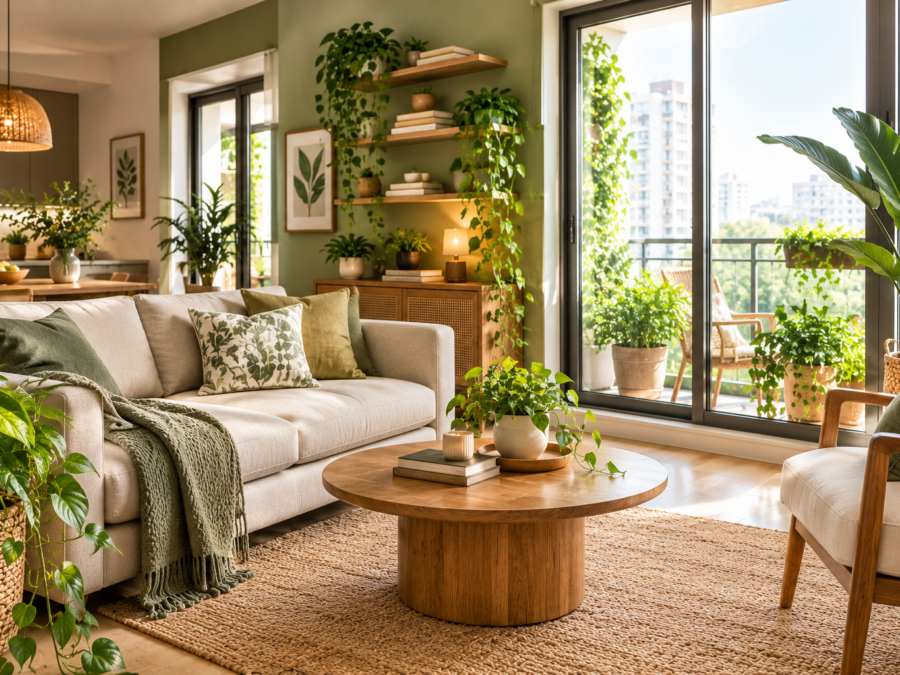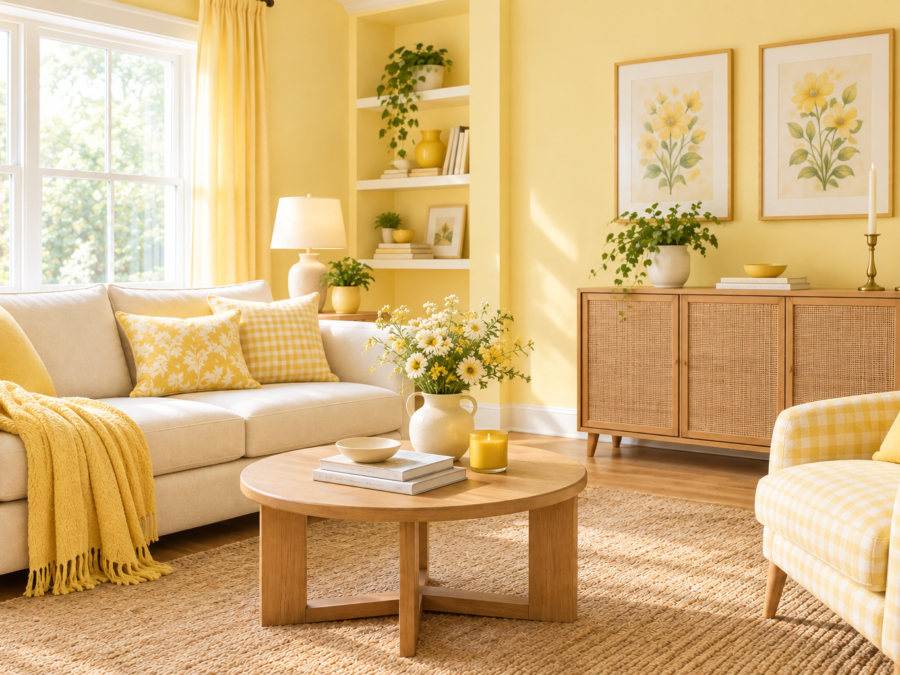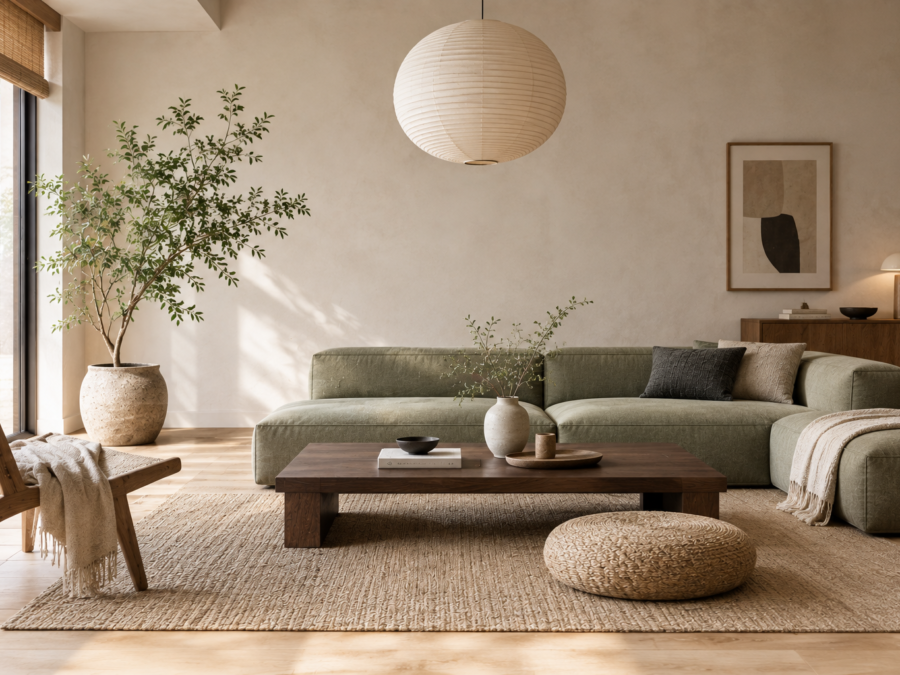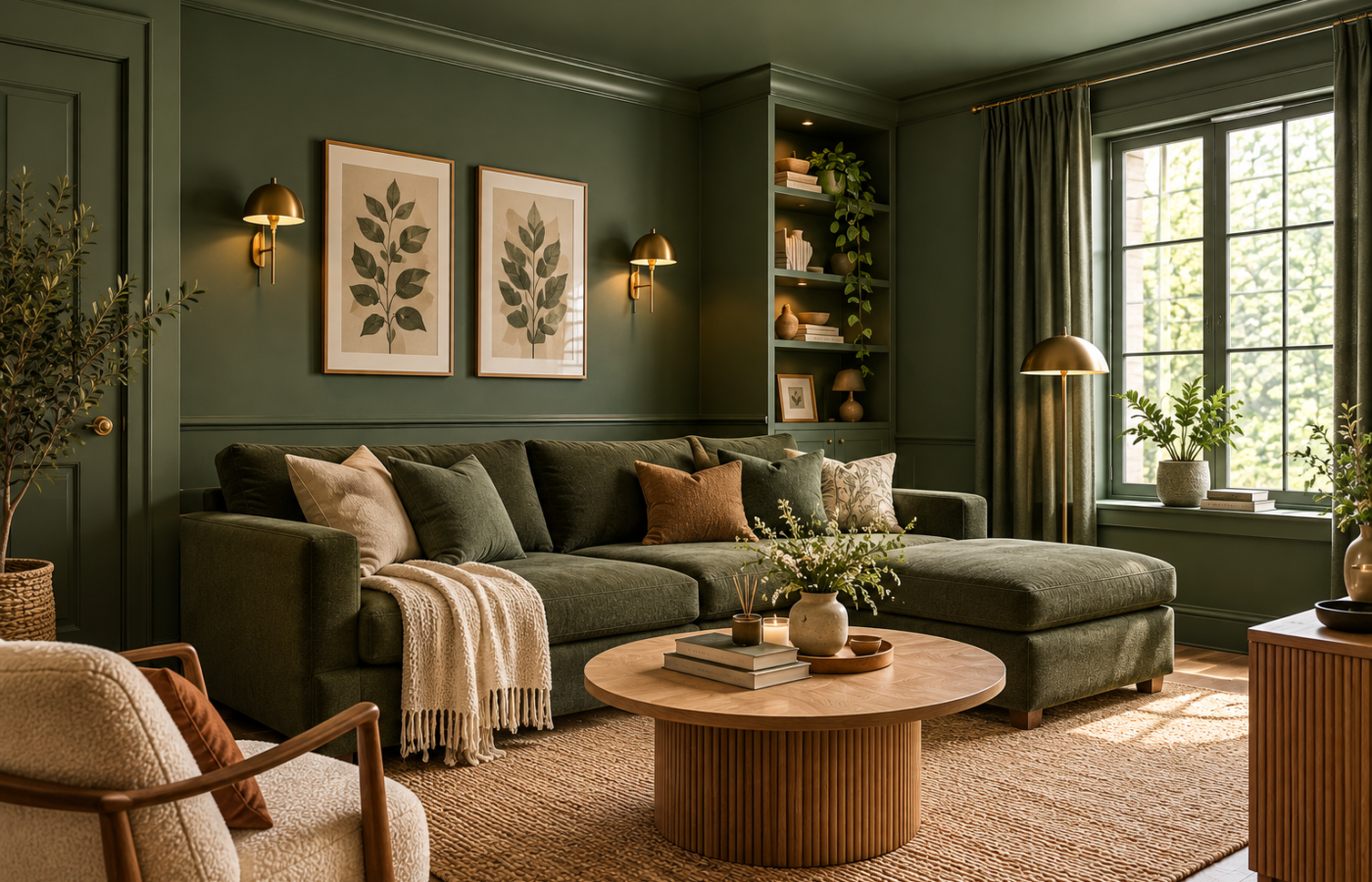
Painting a room in one confident color — walls, trim and often the ceiling too — is one of the biggest paint trends heading into 2026, and it’s a direct reaction to years of all-white walls broken up by contrasting white trim. Color drenching ideas skip that contrast entirely, wrapping a whole room in a single tone so it reads as one enveloped space rather than a collection of separately painted surfaces.
These color drenching ideas cover color choice, paint order and the details that keep the look feeling intentional rather than like trim simply never got painted.
What Color Drenching Actually Means
Color drenching applies the same paint color (or very close variations of it) to the walls, trim, doors and sometimes the ceiling of a room, removing the visual break that white trim usually creates against a colored wall. Most color drenching ideas use a single sheen change — walls in matte, trim in satin or semi-gloss — as the only variation, keeping the color itself completely consistent.
1. Start With a Color You’d Be Comfortable Living In Everywhere
Since color drenching ideas apply one tone to nearly every surface, the color needs to hold up as both a backdrop and a statement — a shade that feels intense on a single wall can feel overwhelming once it’s on the ceiling too. Testing large swatches on multiple walls at different times of day matters more here than for any single-wall paint project.
2. Paint the Trim and Doors the Same Color as the Walls
This is the step that actually defines color drenching ideas rather than just a bold wall color — trim, door frames and doors all disappear into the same tone instead of standing out in white. The room reads as one continuous surface rather than walls with a frame around them.
3. Extend the Color to the Ceiling for the Full Effect
Carrying the color overhead is what gives the most enveloped, cocoon-like version of color drenching ideas, and it’s especially effective in a room with a lower or less notable ceiling, since the color draws attention away from the ceiling height itself. A slightly lighter tint of the same color on the ceiling is a common variation for rooms where full-strength color overhead feels like too much.
4. Use a Sheen Difference Instead of a Color Difference
Keeping walls in a flat or matte finish and trim in satin or semi-gloss adds just enough definition to notice the trim is there without breaking the monochromatic effect — this small sheen shift is one of the most common color drenching ideas among painters who want the look without it feeling completely flat.
5. Choose Warmer, Earthier Tones for an Easier Result
Terracotta, deep olive, warm chocolate and muted clay tones are proving easier to live with in fully drenched rooms than very saturated or cool colors, which is why most current color drenching ideas lean warm and earthy rather than bold and bright. The same palette shift shows up in limewash paint and other current 2026 wall treatments for a similar reason — warm tones read as cozy rather than jarring at full room scale.
6. Keep Furniture and Decor Simpler in a Drenched Room
Because the walls, trim and ceiling already carry strong visual weight, furniture and decor generally work better kept simple in a color-drenched room — busy patterns on top of an already bold backdrop can compete rather than complement. Several of the most successful color drenching ideas pair the enveloped color with plain upholstery and a few well-chosen accent pieces rather than a heavily patterned room.
Doing This as a Renter
Where a lease allows repainting, color drenching ideas are otherwise fully achievable with standard paint and the same expectation of repainting back to the original color at move-out. It uses the same tape-and-prep approach behind accent wall painting, just extended to trim, doors and sometimes the ceiling instead of stopping at one wall.
Budget and Timing
A fully drenched small room typically takes a full weekend given the extra time needed for trim and ceiling work, and costs somewhat more in paint than a single accent wall since every surface needs coverage. Buying one larger color-matched batch up front, rather than separate cans for walls and trim, helps avoid a slight color mismatch between surfaces painted at different times.
Where to Start If This Is Your First Time
A small, contained room — a powder room, a home office, a reading nook — is a much more forgiving place to try color drenching ideas than a large open living space, since a smaller room means less paint, less time, and a lower cost if the color needs adjusting after the first coat goes up. Once the technique and color choice feel right in a small room, the same approach scales confidently to a larger space.
Common Mistakes to Avoid
- Choosing a color based on a single wall swatch. A shade that works on one wall can feel very different once it covers trim and ceiling too.
- Skipping the sheen difference. A completely flat, uniform finish on every surface can look unintentional rather than considered.
- Going bold and saturated for a first attempt. Warmer, earthier tones are more forgiving and easier to live with at full-room scale.
- Overloading the room with pattern. A color-drenched room generally reads best with simpler furniture and decor around it.
FAQs
What is color drenching? Painting the walls, trim, doors and often the ceiling of a room in the same color, removing the contrast a traditional white-trim room usually has and making the space read as one cohesive tone.
Is color drenching hard to do yourself? It’s more time-consuming than painting one wall, since trim and doors need the same coverage, but it doesn’t require any more skill than a standard paint project.
What colors work best for color drenching ideas? Warmer, earthier tones — terracotta, olive, chocolate, muted clay — tend to be easier to live with at full-room scale than very bold or saturated colors.
Should the ceiling be the exact same color as the walls? Not necessarily — a slightly lighter tint of the same color on the ceiling is a common variation for rooms where full-strength color overhead feels like too much.
Does color drenching work in a small room? Yes, and it’s often recommended as a starting point — a small, contained room is more forgiving for a first attempt and costs less if the color needs adjusting.
Can I try color drenching in a rental? Usually yes, with the same lease considerations as any repainting project — check whether repainting back to the original color is required at move-out.
Choosing Between Full Drenching and a Partial Approach
Not every room needs full head-to-toe color to get the benefit of color drenching ideas — painting walls and trim the same tone while leaving the ceiling white is a lower-commitment middle ground that still removes most of the contrast a traditional room has. This partial approach is worth considering for a first attempt, or in a room with architectural ceiling details worth keeping visible.
The Bottom Line
The best color drenching ideas commit to one considered color across walls, trim and often the ceiling, using a sheen difference rather than a color difference to keep just enough definition. Start small, lean warm and earthy for an easier result, and keep the furniture around it simple enough to let the color carry the room.
Related:
Limewash Paint Ideas for 2026: Easy DIY Texture for Beginners · Accent Wall Painting Tips: 5 Easy Moves for a Clean Finish