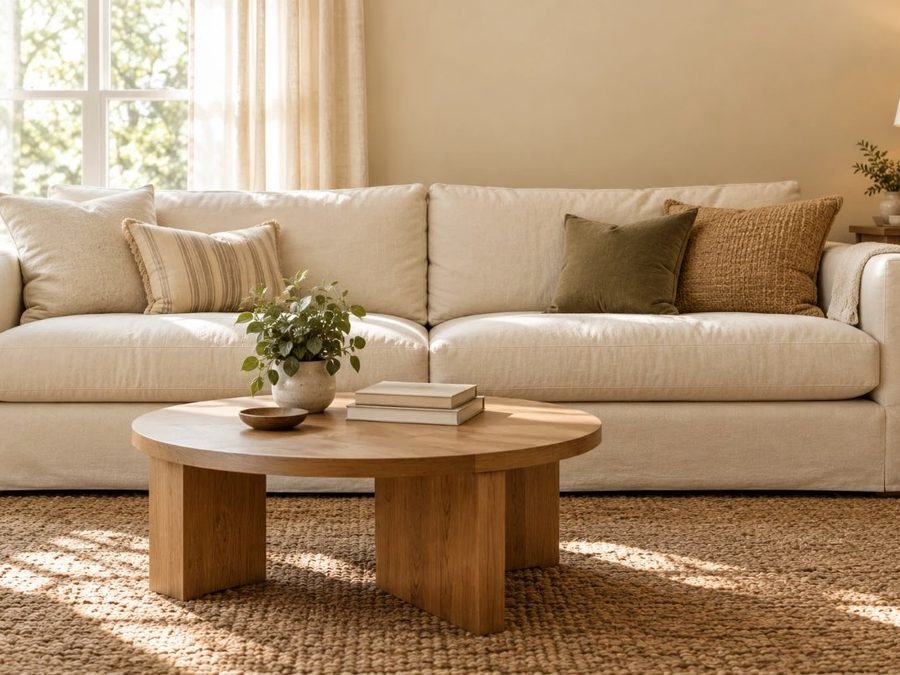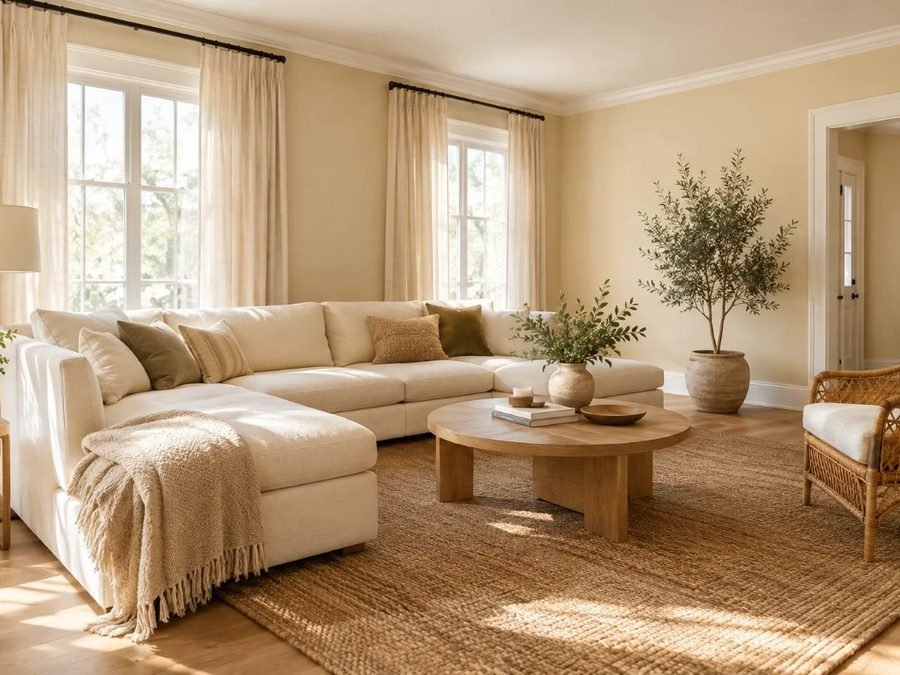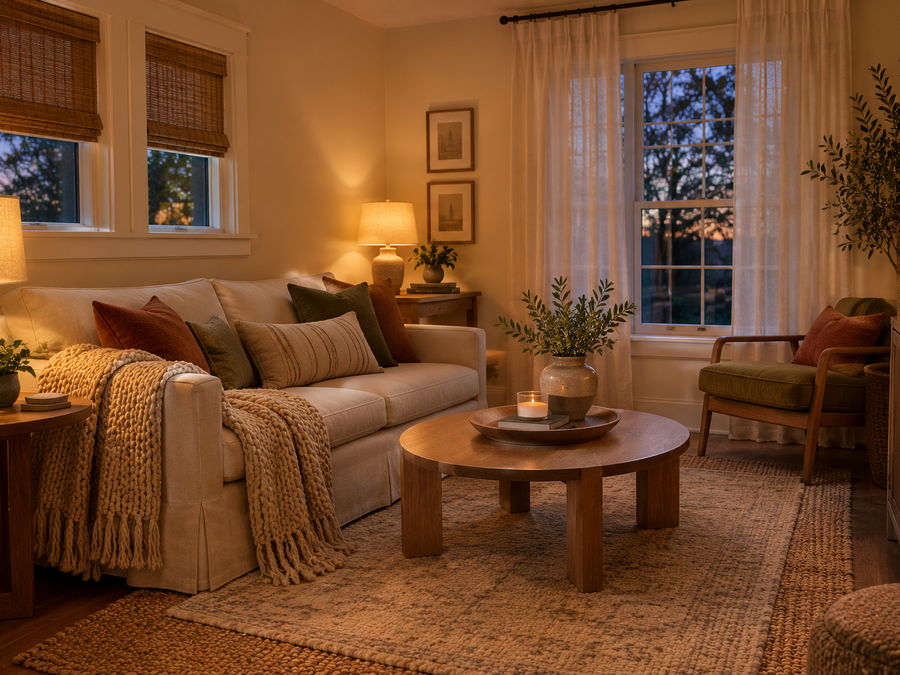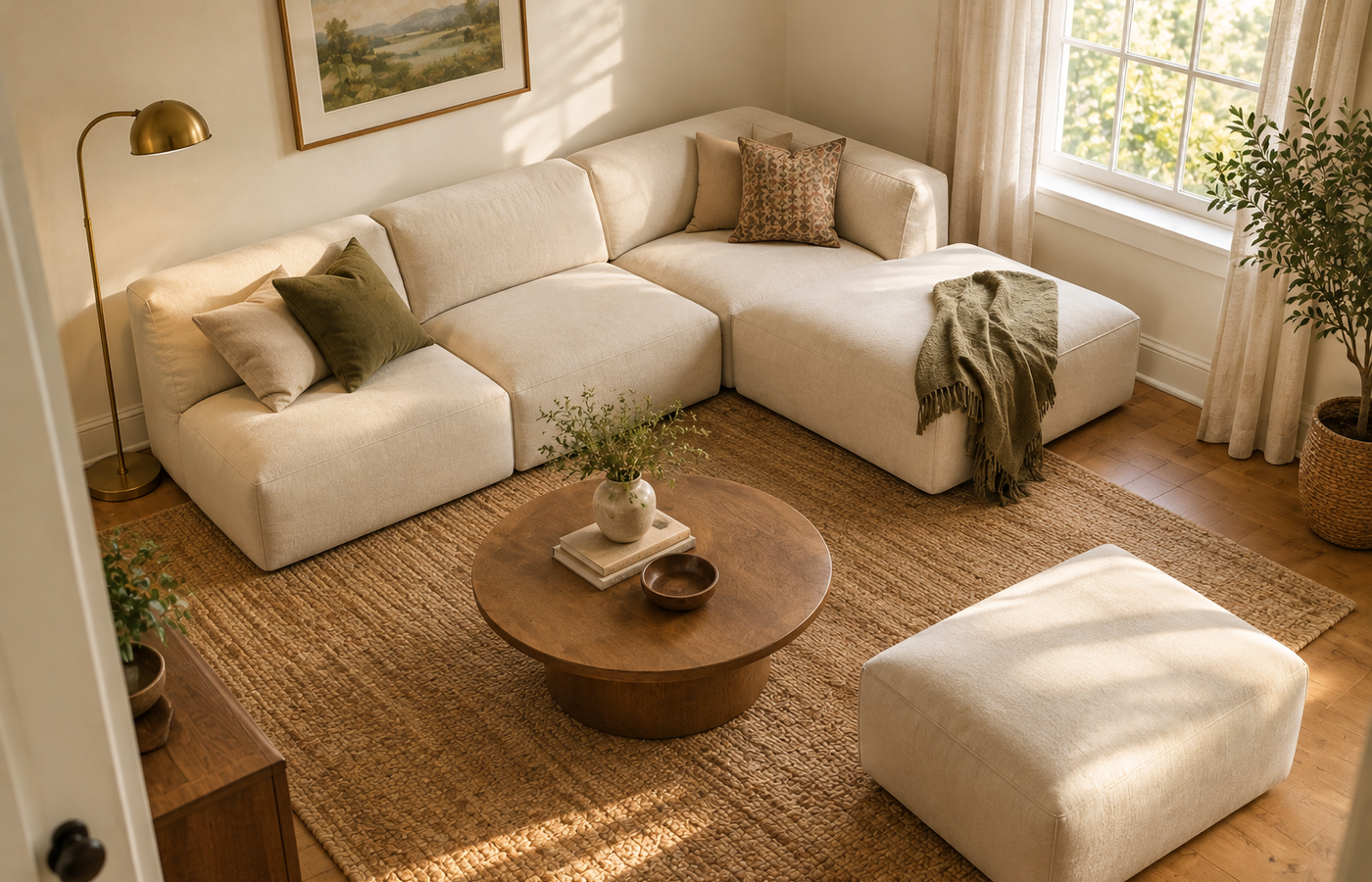
A traditional sofa is one shape in one size. A modular sofa is a set of separate pieces, such as seats, corners, chaises and ottomans, that fit together and can be rearranged. That flexibility is why the modular sofa is one of the biggest sofa trends going into 2026, and why it suits a small living room better than almost any other style.
Designers say flexibility is becoming the new luxury, and people want a sofa that can adapt to how they actually live. This guide shows how to choose a modular sofa, which layouts work in a small space and how to avoid the common mistakes.
What Is a Modular Sofa?
A modular sofa is built from individual sections that connect. You might have two armless seats, a corner piece and a chaise, or a set of identical seats plus an ottoman. Each piece can be moved, added or removed. That makes a modular sofa very different from a fixed sofa or a sectional that arrives as one large unit.
Why It Suits a Small Living Room
Small rooms have two problems: getting furniture through the door and making the layout work once it is inside. A modular sofa solves both. The pieces are smaller and easier to carry through narrow doorways and up stairs. Once inside, you can build the shape that fits your walls, and change it later if you move or rearrange.
Layout 1: The Straight Line
Two or three seats in a row is the simplest layout and works well along a single wall. It leaves the middle of the room open for a rug and a coffee table. A modular sofa in a straight line is a good choice for a narrow room, and you can add a seat later.
Layout 2: The L-Shape
Place a corner piece and a chaise or extra seats along two walls. The L-shape wraps a corner, which is often unused space, and creates a cozy zone. In a small living room it usually seats more people than a standard sofa and two chairs.
Layout 3: The Chaise Layout
A chaise on one end gives a place to stretch out without taking up the space of a full sectional. It suits people who watch television or read on the sofa, and it can go on either end depending on the room.
Layout 4: The Split Layout
Take the modular sofa apart and use two separate seats facing each other, or set one seat by a window as an armchair. This layout works well for parties, because guests can face each other. It is one of the easiest ways to make a small room feel more open.
Layout 5: Add an Ottoman
An ottoman is the most useful piece in the set. It works as a footrest, extra seat or coffee table with a tray on top. A storage ottoman also holds blankets or games. If you like the social layouts we covered in our living room banquette guide, a modular sofa gives you a similar feel with more flexibility.
Measure Twice Before You Buy
Measure the room, but also measure every doorway, hallway and staircase the pieces must pass through. Mark the shape on the floor with painter’s tape to see how it will feel. Leave about 30 to 36 inches for walkways, and make sure the coffee table is not too close to the seats. Measuring is the most important step in choosing a modular sofa for a small living room.
Choose the Right Depth and Height
Deep seats look relaxed, but they can take up too much floor in a small room. A seat depth of around 36 to 40 inches is often a good balance between comfort and space. Low-profile designs feel airy, while higher backs give more support. Sit on the piece in a store if you can, and check that your feet touch the floor.
Pick a Fabric That Lasts
A modular sofa is used every day, so choose a durable fabric such as a performance weave, a tight-weave cotton blend or a textured fabric that hides wear. Removable, washable covers are a good choice for households with children or pets. Texture also matters, since a plain modular sofa can look flat without it.
Keep the Rest of the Room Simple
Because the sofa takes up a lot of visual space, keep the walls, rug and decor light and simple. Use a rug large enough for the front legs of the sofa to sit on it, add one or two side tables and choose slim, light-toned furniture. Our guide to small living rooms has more ways to keep a compact space feeling open.
Doing This as a Renter
A modular sofa is ideal for renters. It moves easily, fits through small doorways and can be reconfigured to suit a new apartment. You do not need permission or installation, and if a piece gets damaged, you can replace a single section instead of the whole sofa.
Budget and Timing
Prices vary widely, from a few hundred dollars for a basic set to several thousand for a high-end one. Buying a starter set and adding pieces later can spread the cost. Delivery can take a few weeks, so measure and order early.
Where to Start If This Is Your First Time
Start with a two- or three-seat straight layout and add one piece later, such as an ottoman or a corner. This keeps the cost lower and lets you learn how you use the sofa before building a larger arrangement.
Common Mistakes to Avoid
- Buying without measuring doorways. Check every route into the room.
- Choosing seats that are too deep. A very deep seat can dominate a small room.
- Ignoring the fabric. A soft, delicate fabric wears quickly on a daily-use sofa.
- Skipping a rug. A rug anchors the sofa and defines the zone.
FAQs
What is a modular sofa? A sofa made of separate pieces that fit together and can be rearranged.
Is a modular sofa good for a small living room? Yes, because the pieces are smaller, easier to move and can be arranged to fit your walls.
Can I add pieces later? Often yes, if the same style is still available, so check before you buy.
How much space should I leave around it? About 30 to 36 inches for walkways.
What fabric is best? A durable performance fabric or a tight weave with texture.
Is it good for renters? Yes, it moves easily and fits through narrow doorways.
Caring for the Pieces
Vacuum the seats and gaps regularly, since crumbs and dust collect where the pieces meet. Rotate or swap the seat cushions every few weeks to even out wear, and follow the care label for any removable covers. If your sofa has connectors or clips between pieces, check that they are tight every few months so the sections do not drift apart on hard floors.
Reconfiguring for Different Moments
The best part of owning a modular sofa is changing the shape when your needs change. Push the pieces into a long line for a movie night, split them into two facing seats for a dinner party, or move a seat next to a window for a reading corner. Even a small living room can feel like several different rooms with a few minutes of rearranging.
Tools and Basics to Gather
A tape measure, painter’s tape, a notepad for door and stair measurements and a few fabric samples are all you need. A rug pad under the sofa’s rug helps keep it in place.
Styling a Modular Sofa
Keep the styling simple and cozy. Add two or three pillows in tones that match the room, a throw blanket and a plant nearby. A modular sofa looks best when the surrounding decor is calm and natural, with wood, linen and woven textures.
The Bottom Line
A modular sofa gives a small living room what a fixed sofa cannot: flexibility. Measure carefully, choose a layout that fits your walls, pick a durable fabric and add an ottoman for extra seating. Start small, and let the sofa change with your room and your life.
Related:
22 Living Room Ideas That Make a Small Space Feel Bigger · Living Room Banquette: Easy Layout Rules for 2026