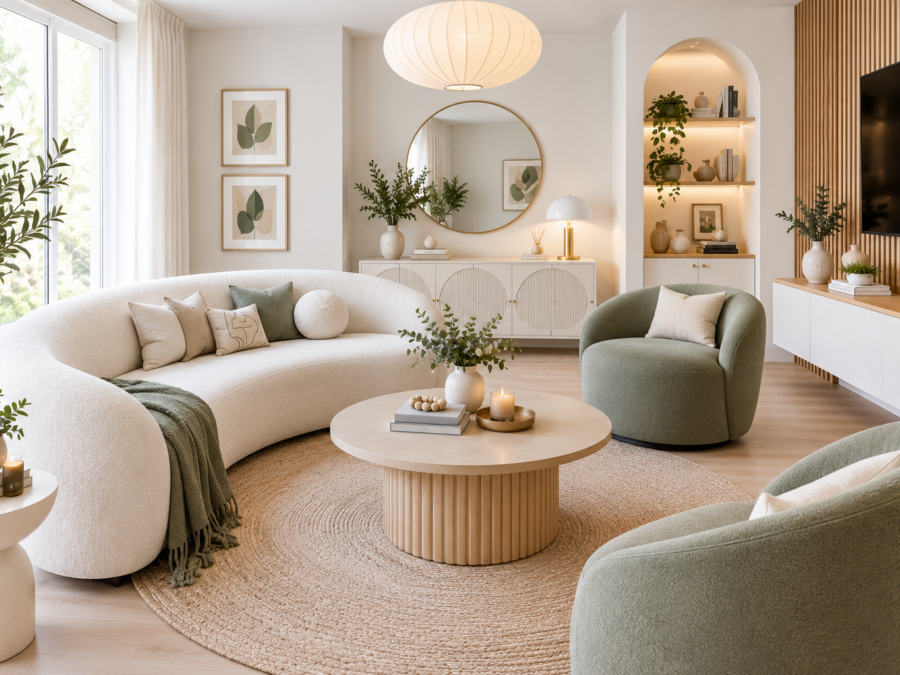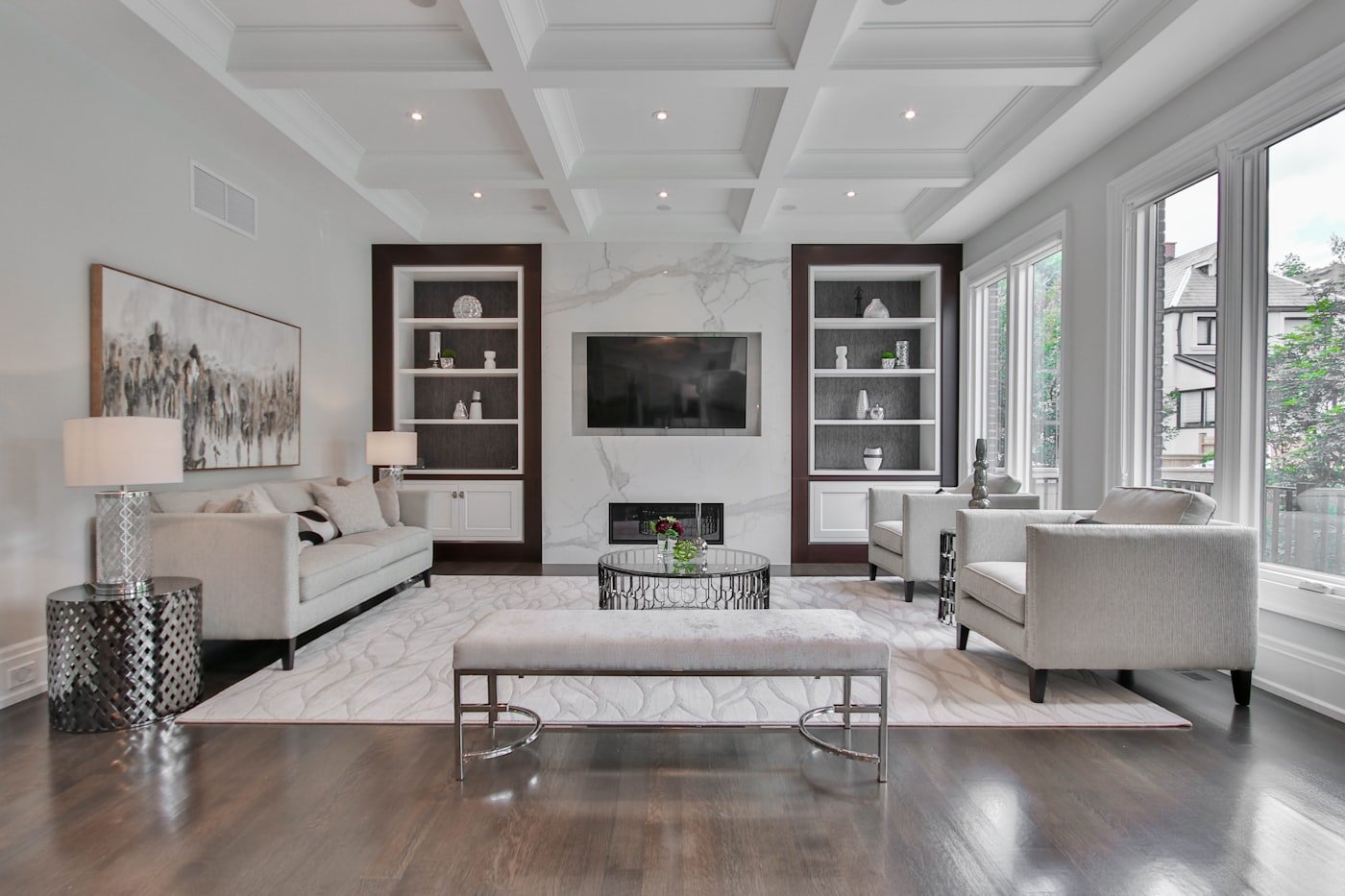
A small living room is not a problem to solve. It is a room that needs fewer, better decisions. Every idea below comes from a real home, and each one tackles one of the three things that make a small room feel cramped: too much visual noise, furniture that fights the walls, and light that stops halfway across the floor.
Before you buy anything
Measure the room and draw it on paper with the doors, windows and radiators. Then walk the paths you actually use: door to sofa, sofa to kitchen, sofa to balcony. Those paths need 75 to 90 centimetres clear. Everything else is negotiable. Most small living rooms feel small because a sofa or a rug sits across a path, not because the room is short on square metres.
1. Float the sofa off the wall by 10 centimetres
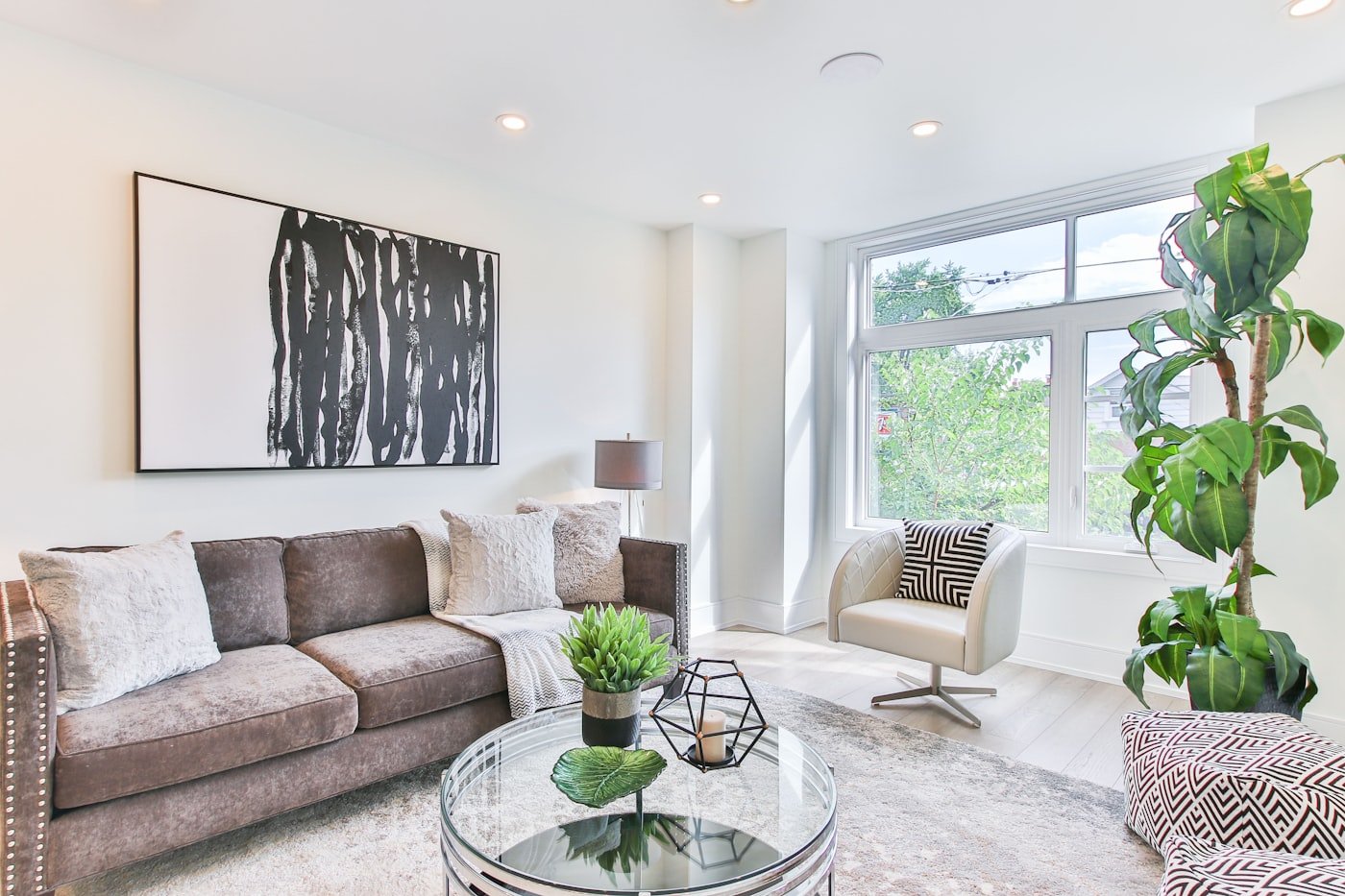
The instinct in a small room is to push every piece against the walls. Do the opposite with the sofa: leave a hand-width gap behind it and the room reads as designed rather than crammed. It costs nothing and it is the single biggest change most people notice.
If you have a console table, slide it behind the sofa instead. It gives you a lamp surface and hides the gap.
2. Pick one light neutral and use it on three surfaces
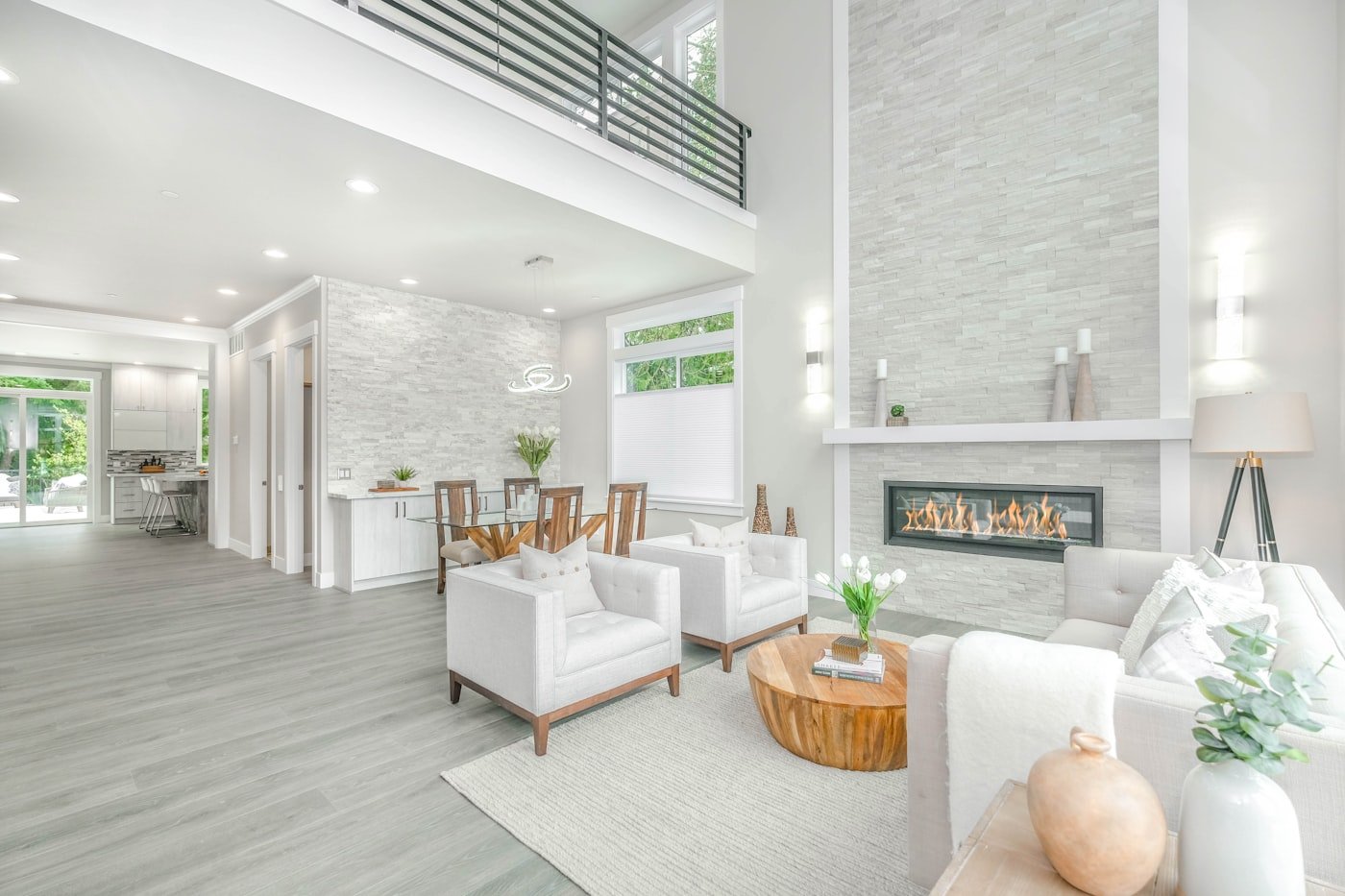
When walls, ceiling and window treatments share a colour, the eye stops finding edges and the room feels continuous. Warm whites and pale greiges work better than pure white, which can look clinical under artificial light.
Paint the skirting and door frames the same colour too. Contrasting trim chops the walls into panels.
3. Choose a sofa with legs you can see under
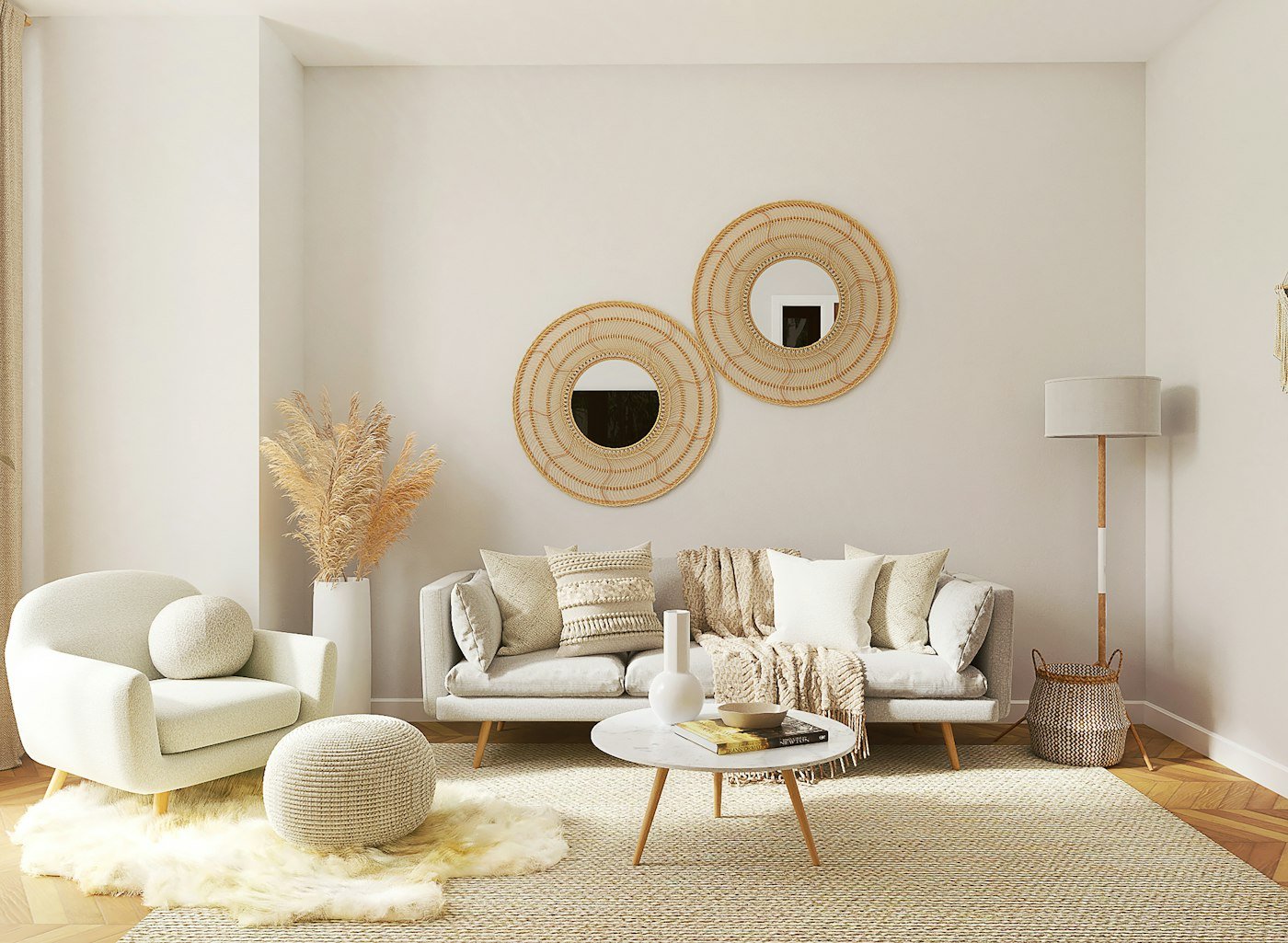
Seeing the floor continue under the sofa tells your brain the room extends further than the furniture. Mid-century and Scandinavian sofas do this well. Skirted or boxy sofas that sit flat on the floor do the opposite.
4. Use one big rug, not two small ones
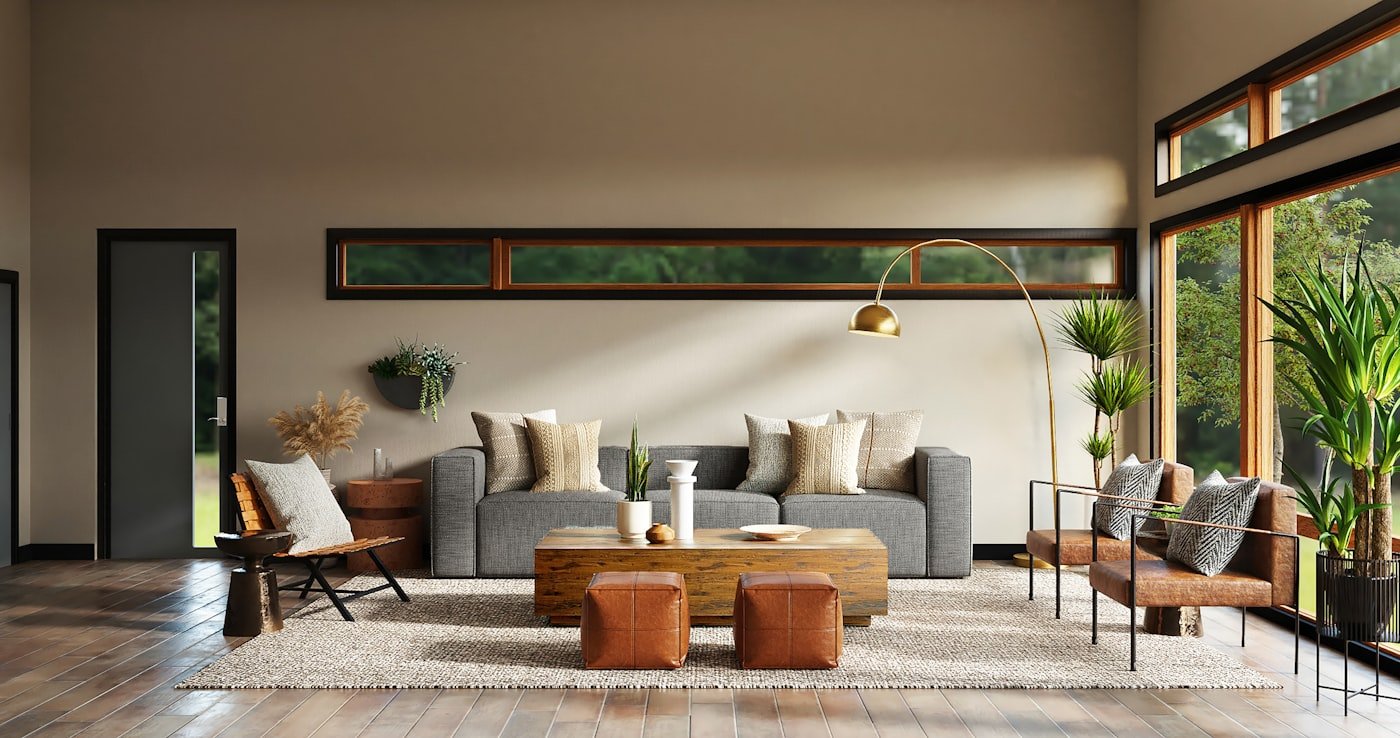
Small rugs floating in the middle of a room make everything look like it is drifting. Buy one rug big enough for the front legs of every seat to sit on it. In most small living rooms that is 160 by 230 centimetres or larger.
5. Hang curtains high and wide
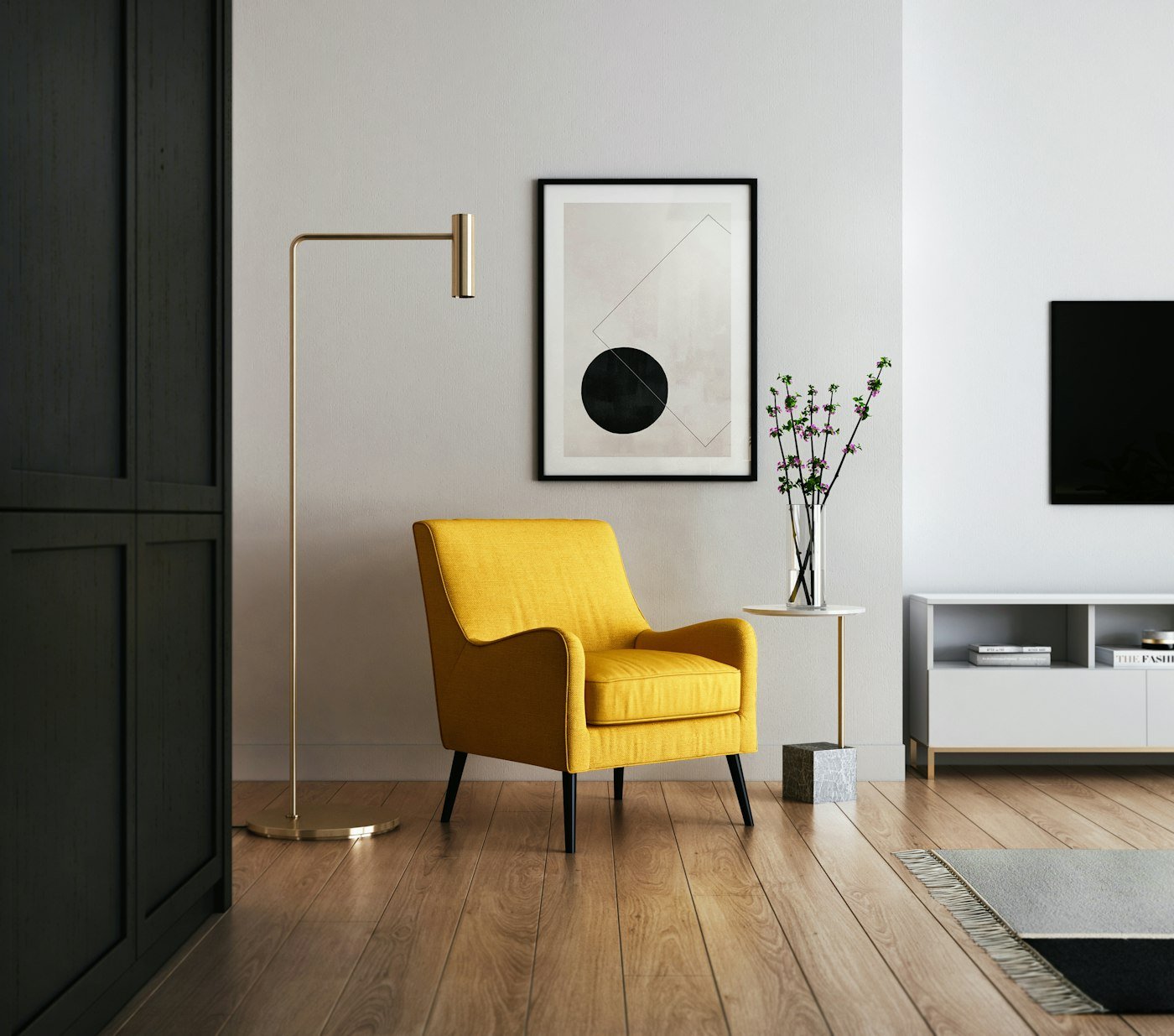
Mount the rod 10 to 15 centimetres below the ceiling and extend it 20 centimetres past the frame on each side. When the curtains are open they cover wall, not glass, and the window reads as much bigger than it is.
6. Swap the coffee table for a round one
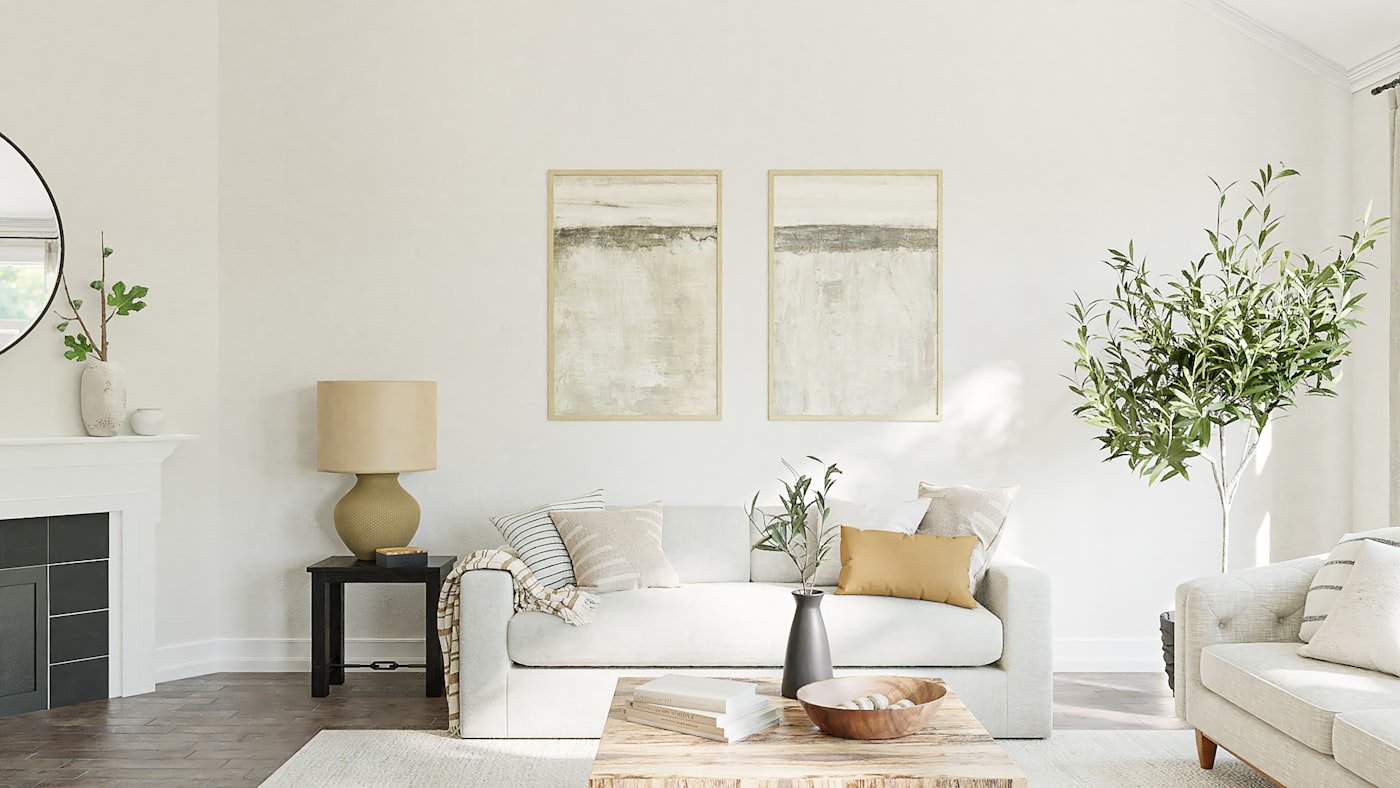
Corners take up visual and physical space. A round or oval table lets people move around it and removes the sharp edge that a small room does not have room for. Nesting tables are the next best option: pull them out when guests come.
7. Go dark on one wall, on purpose
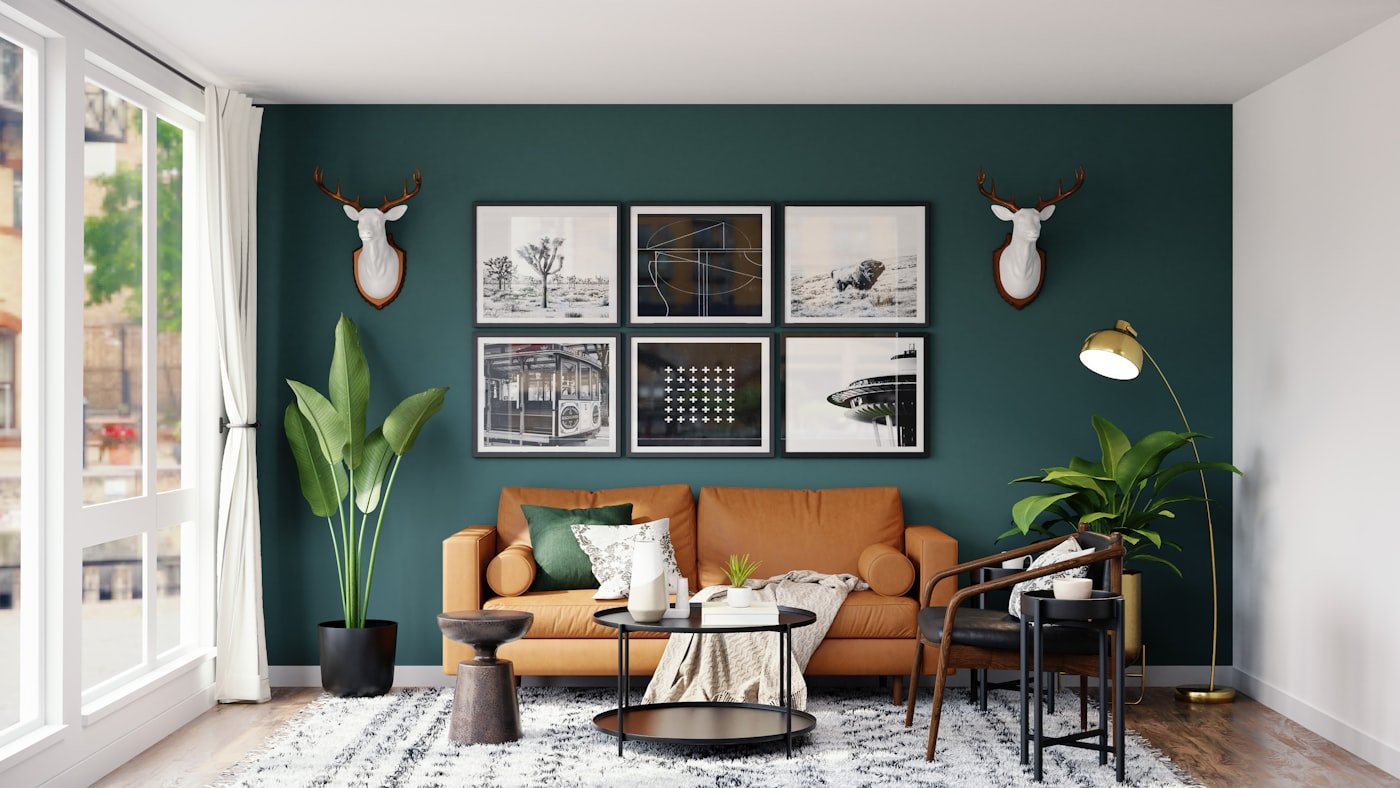
Counter-intuitively, one dark wall can make a small room feel deeper because the eye reads it as further away. Keep it to the wall behind the sofa, keep the other three light, and pick a colour with some warmth: forest green, navy, plum or a deep clay.
8. Put a mirror opposite the window, not next to it
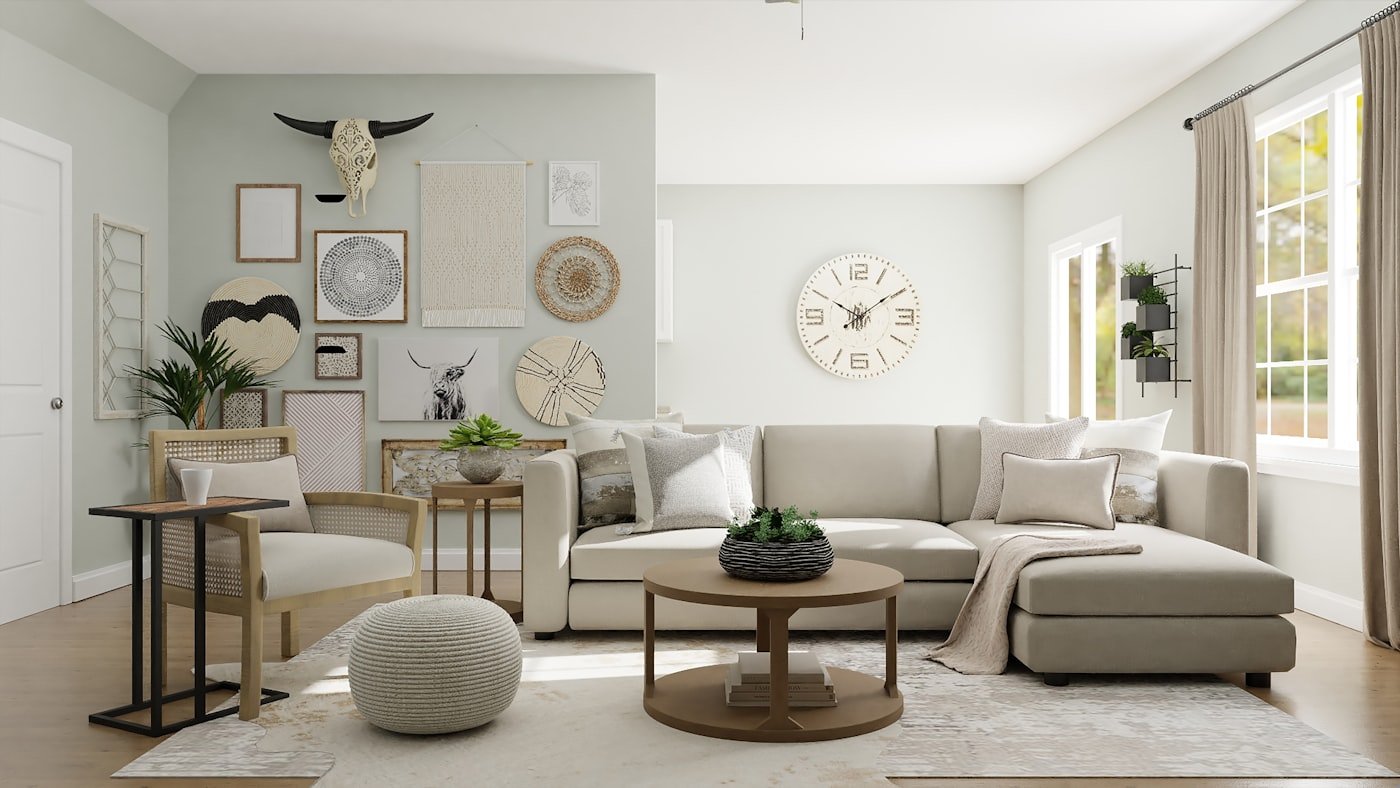
Mirrors only help if they reflect something worth doubling. Opposite or diagonal to the window is the spot. A large single mirror beats a gallery of small ones, which just adds clutter.
9. Choose armless chairs for the second seat
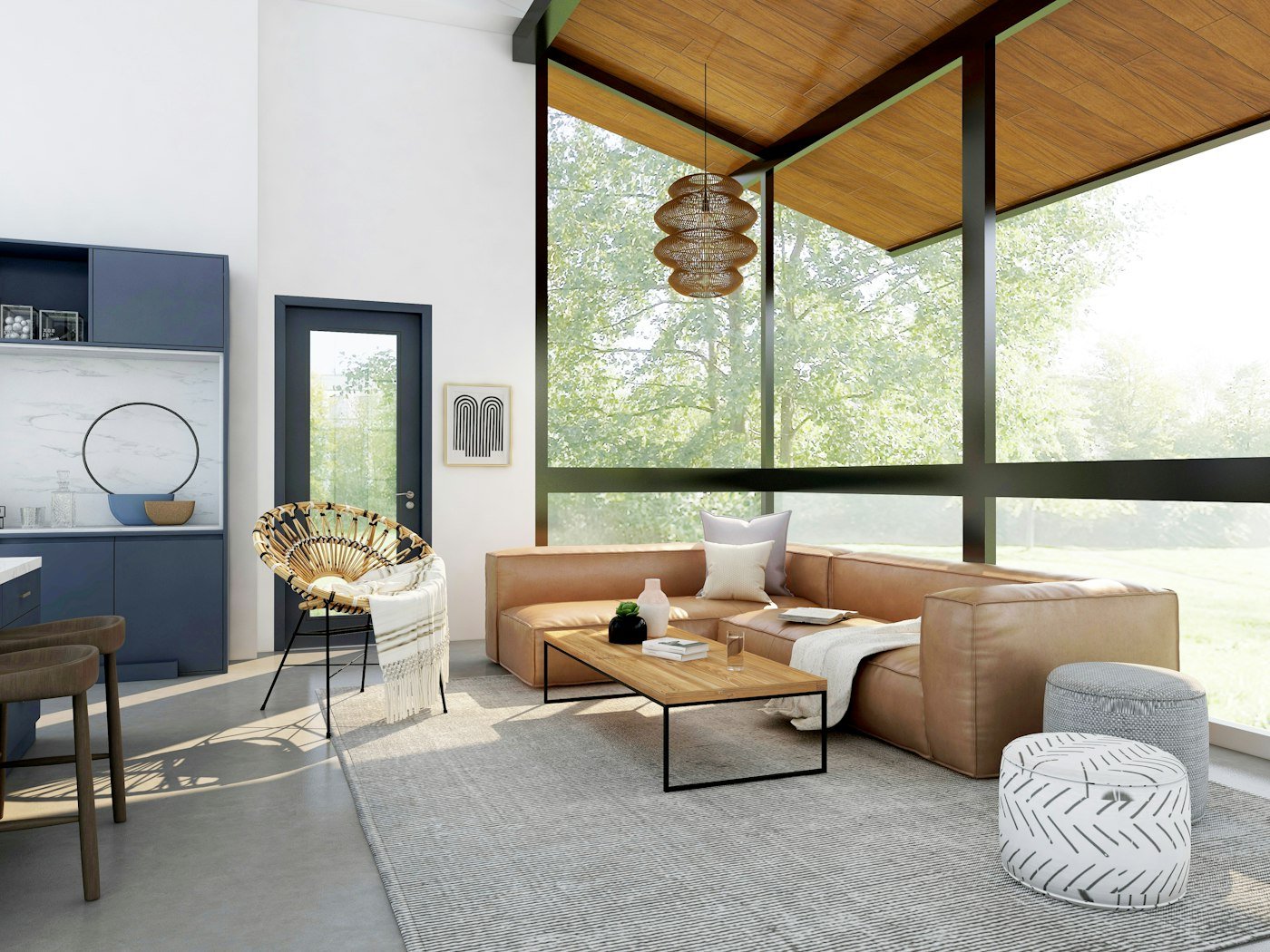
You still need a second seat. Make it an armless chair, a slipper chair or a pouf. They tuck in, they stack visually under the sofa arm, and they can be moved to the dining table when needed.
10. Use vertical storage that goes to the ceiling
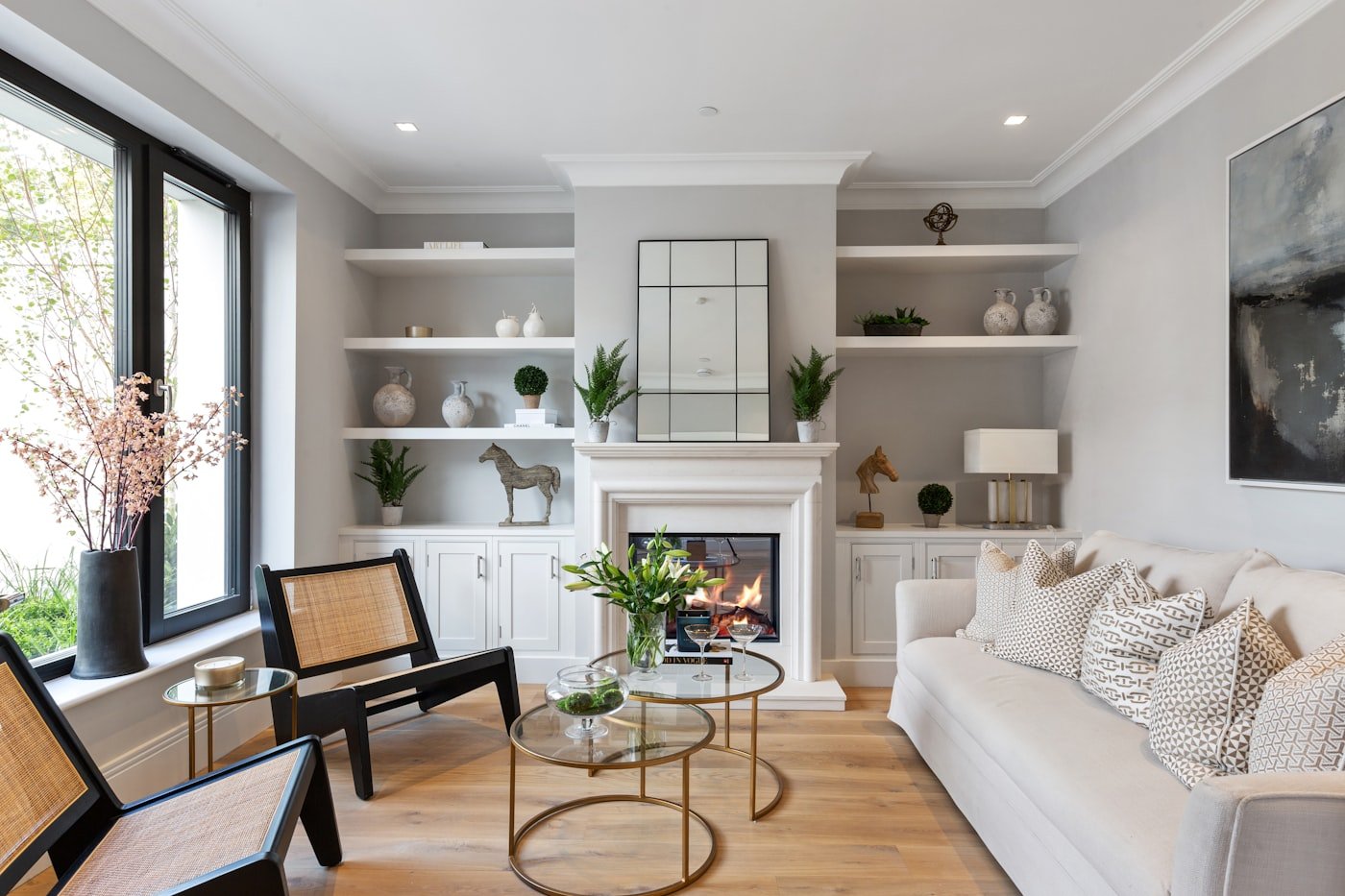
A low, wide media unit eats floor. A tall, narrow unit uses the wall. These small apartment storage ideas can help you make better use of vertical space can help you make better use of vertical space. Take shelving to the ceiling, keep the bottom third closed for the ugly stuff and the top two-thirds open and mostly empty. Empty shelf space is part of the design.
11. Mount the TV and lose the stand
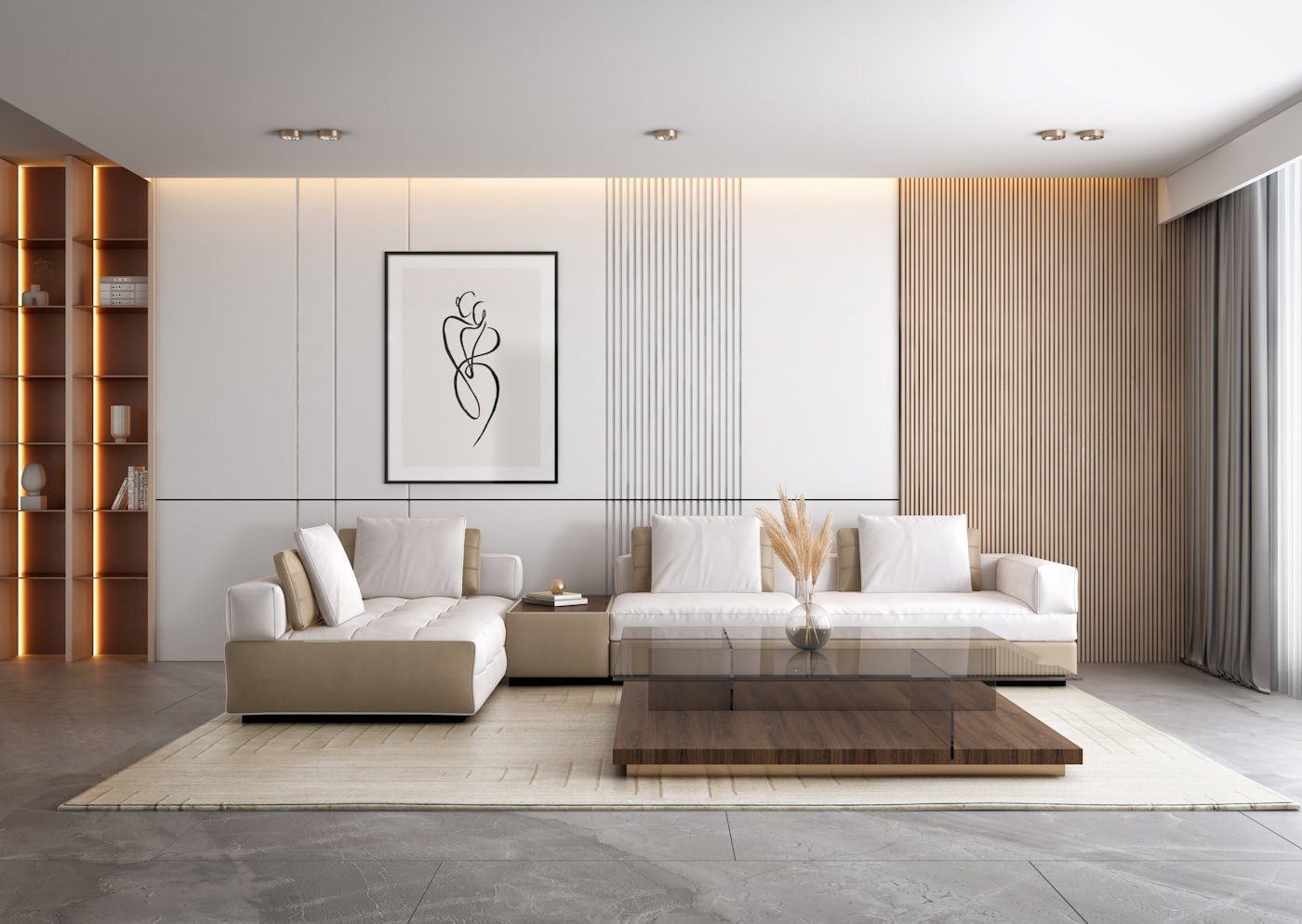
A floating shelf underneath holds the soundbar and the box. Run the cables inside a paintable trunking and the whole wall stays clean.
12. Limit the palette to three colours
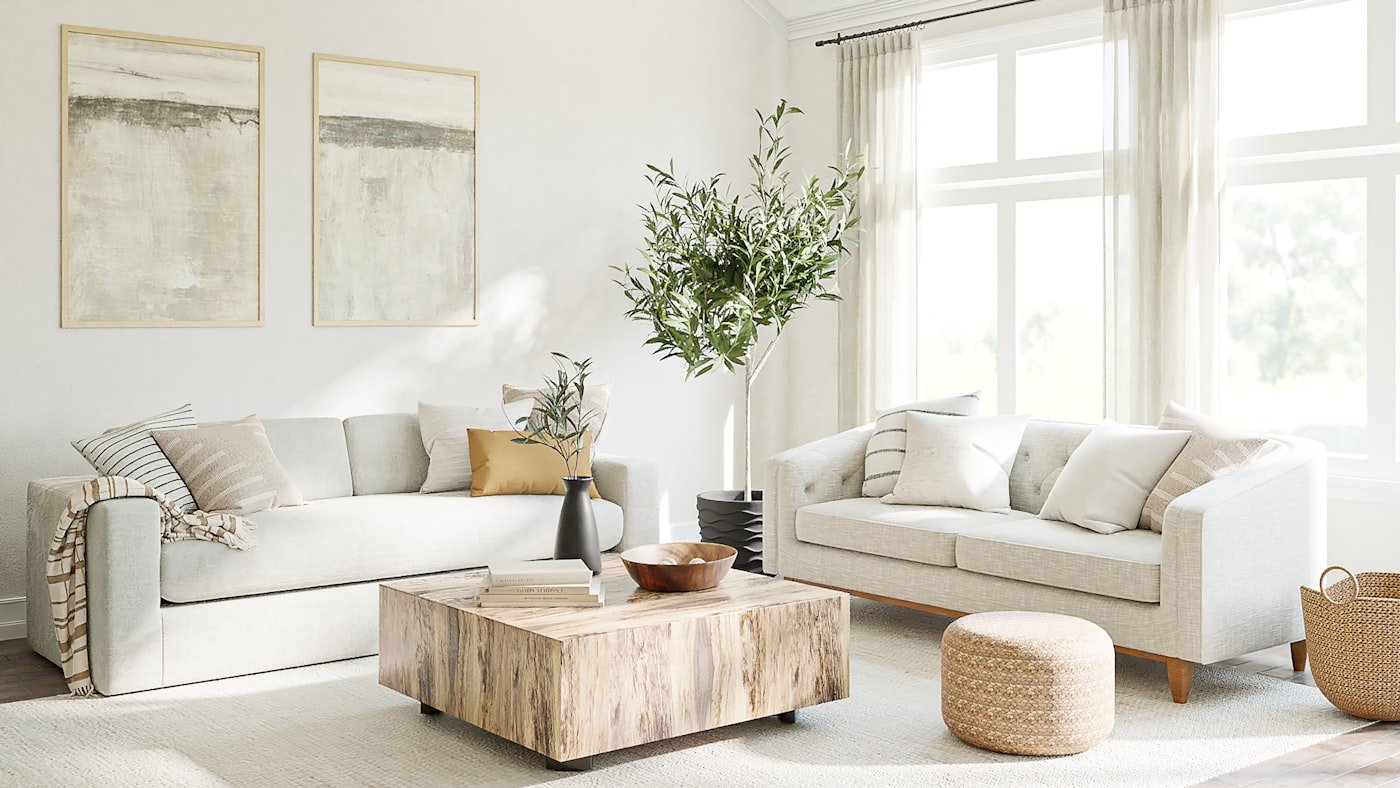
Small rooms cannot absorb five colours. Pick a base (walls), a wood tone (floor and furniture) and one accent, then repeat the accent at least three times: a cushion, a throw, a piece of art. Everything else is neutral.
13. Add a plant with height, not width
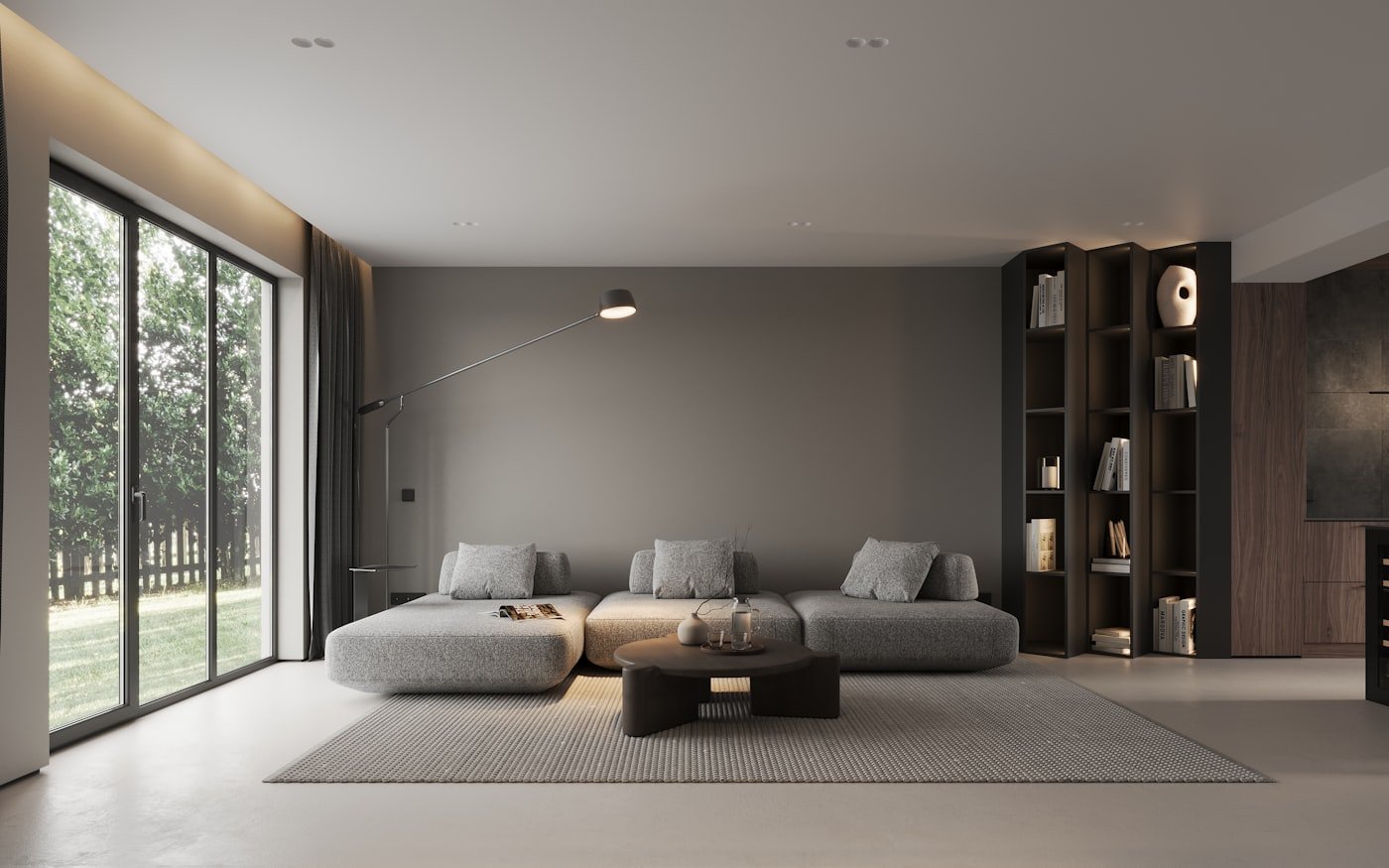
A fiddle-leaf fig, a rubber plant or a tall snake plant gives you greenery and height in a footprint the size of a dinner plate. Skip the wide, spreading plants in a small room.
14. Light the room in layers
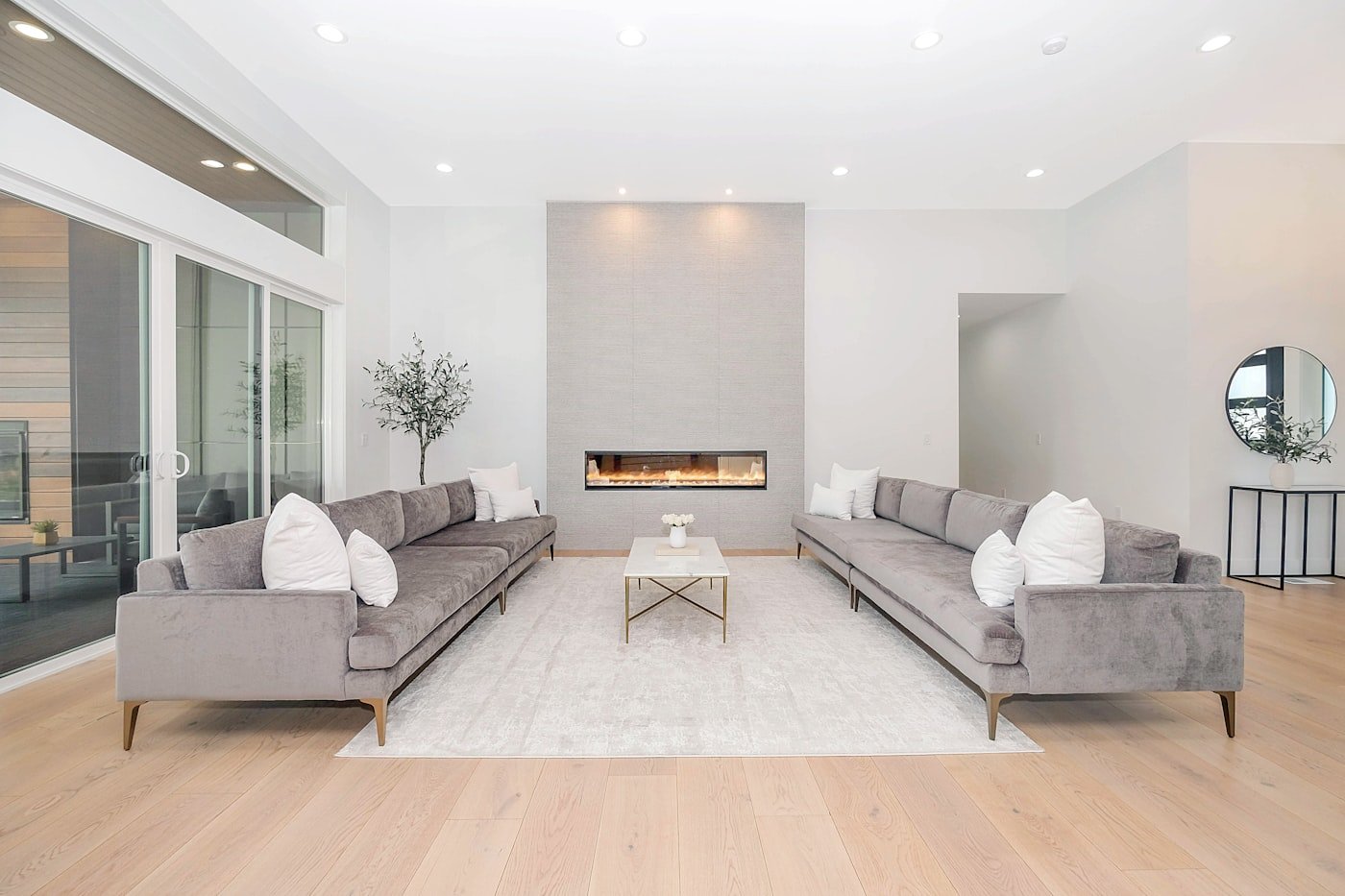
Eight quick wins that cost almost nothing
- Remove one piece of furniture. Most small rooms have one thing nobody uses.
- Hide the cables. Loose cables read as clutter.
- Edit the shelves to one third full.
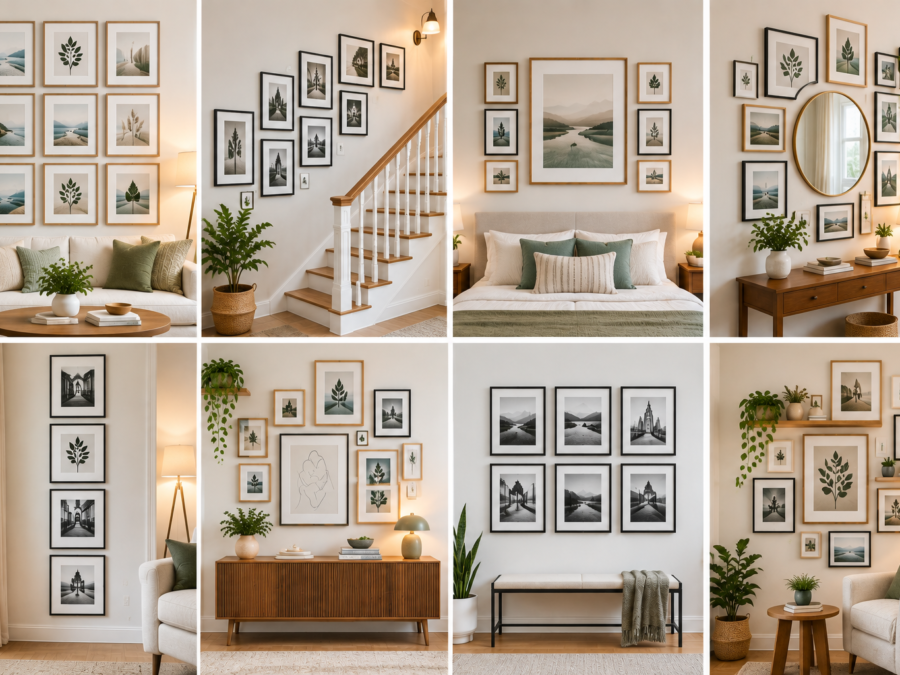
- Match the picture frames. Mixed frames are visual noise; matching frames are a collection.
- Replace a solid side table with a glass or acrylic one.
- Put the remote controls in a box.
- Steam the curtains. Creased curtains make a room look tired.
- Swap cool white bulbs for warm ones.
A small living room shopping list under $500
| Item | What to look for | Typical price |
|---|---|---|
| Large flat-weave rug, 160×230 | Low pile, light colour, washable | $120 to $200 |
| Curtain rod, 2.4 m, plus two panels | Ceiling mount brackets, floor-length | $80 to $150 |
| Round coffee table | Under 80 cm diameter, visible legs | $90 to $180 |
| Floor lamp | Arc or slim column, warm bulb | $60 to $120 |
| Large round mirror, 80 cm | Thin frame | $60 to $110 |
Frequently asked questions about small living rooms
What colour makes a small living room look bigger?
Warm white or a very pale greige on walls, ceiling and trim. Cool bright white can feel harsh; mid-tones close the room in.
Should a small living room have a sectional?
Only a compact L-shaped one with a chaise on the window side, and only if it replaces both the sofa and the armchair. A full sectional in a small room leaves no walking path.
How big should the rug be in a small living room?
Big enough for the front legs of every seat to sit on it. Usually 160 by 230 centimetres or larger. A rug that only sits under the coffee table makes the room look smaller.
Is dark furniture a mistake in a small room?
Not if the walls are light and the furniture has visible legs. One dark piece grounds the room. Several dark, boxy pieces sink it.