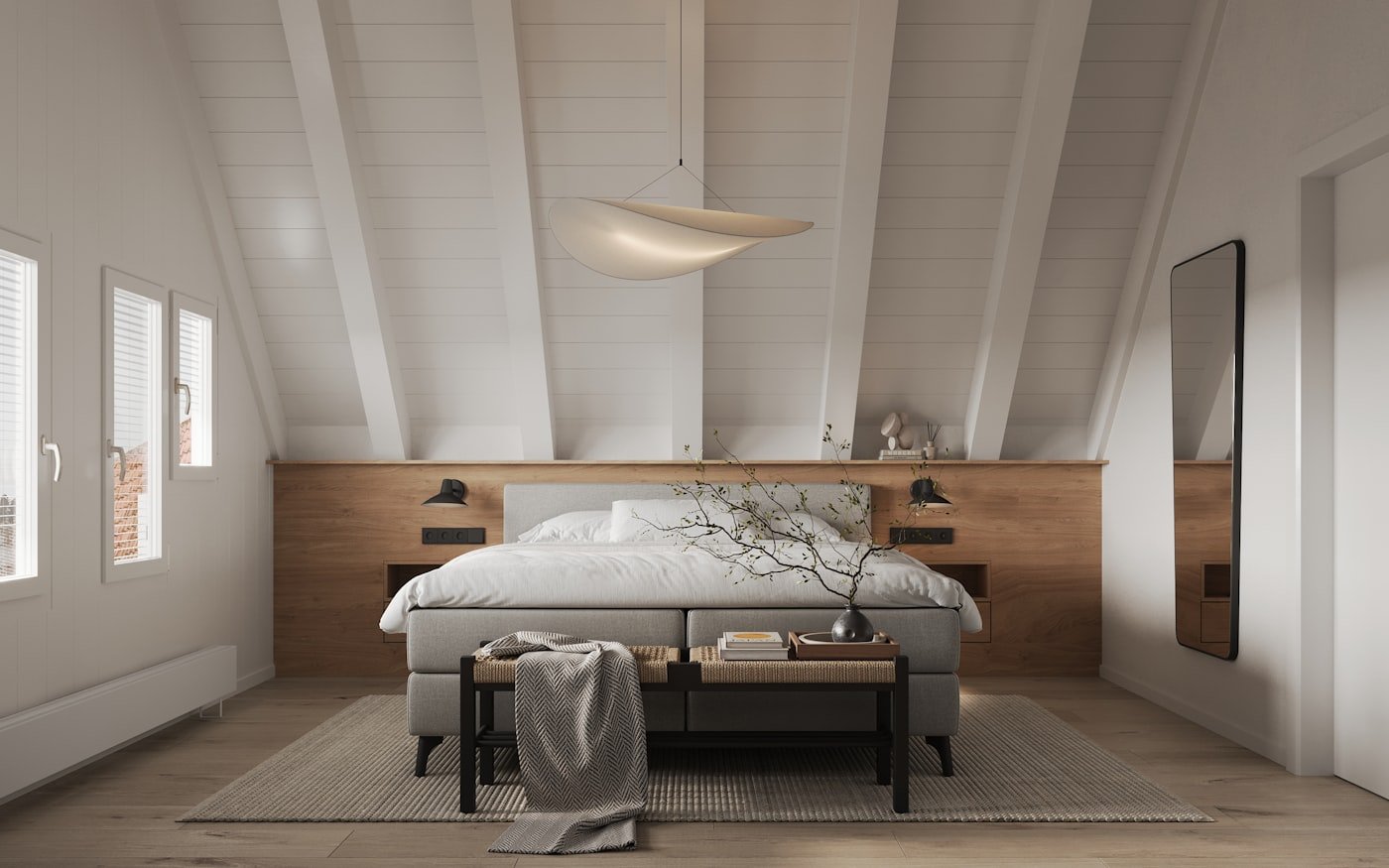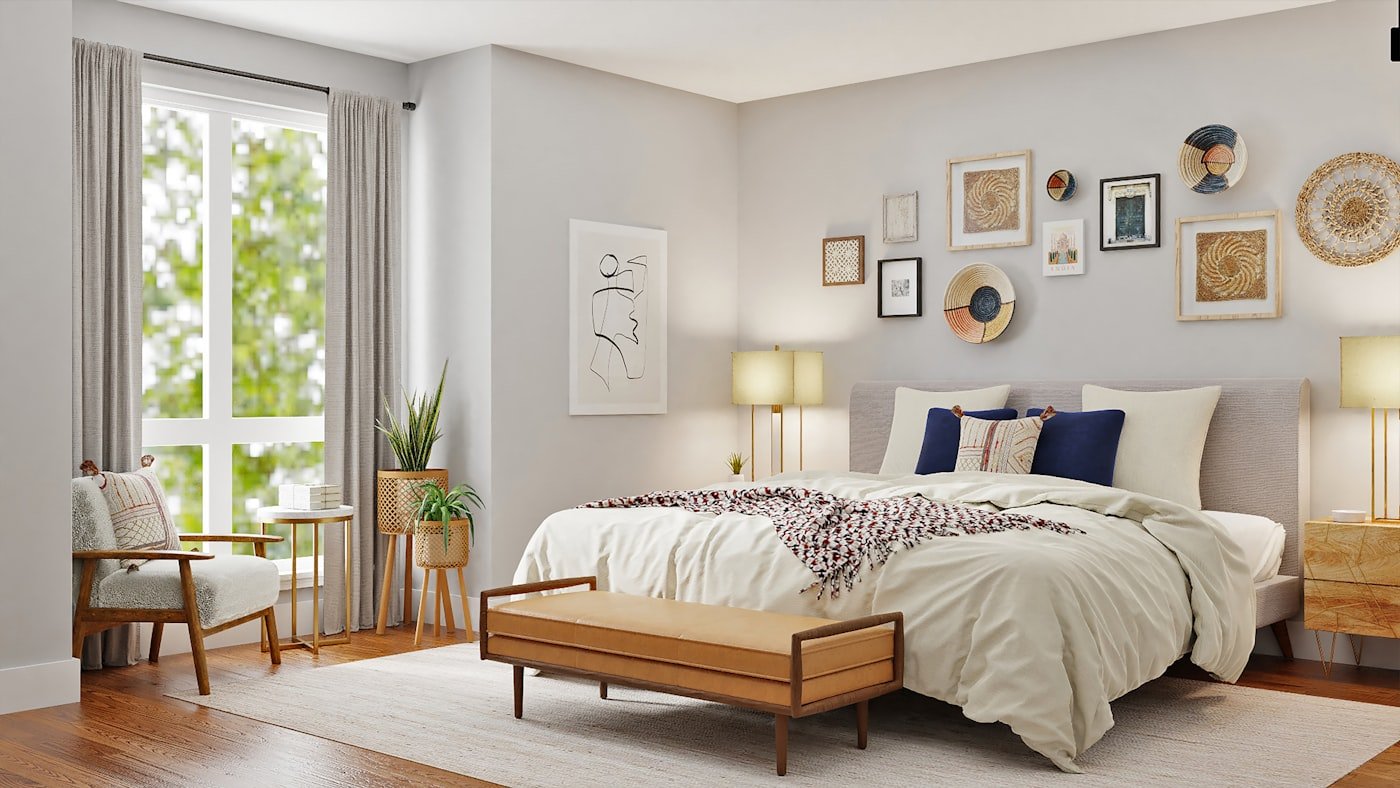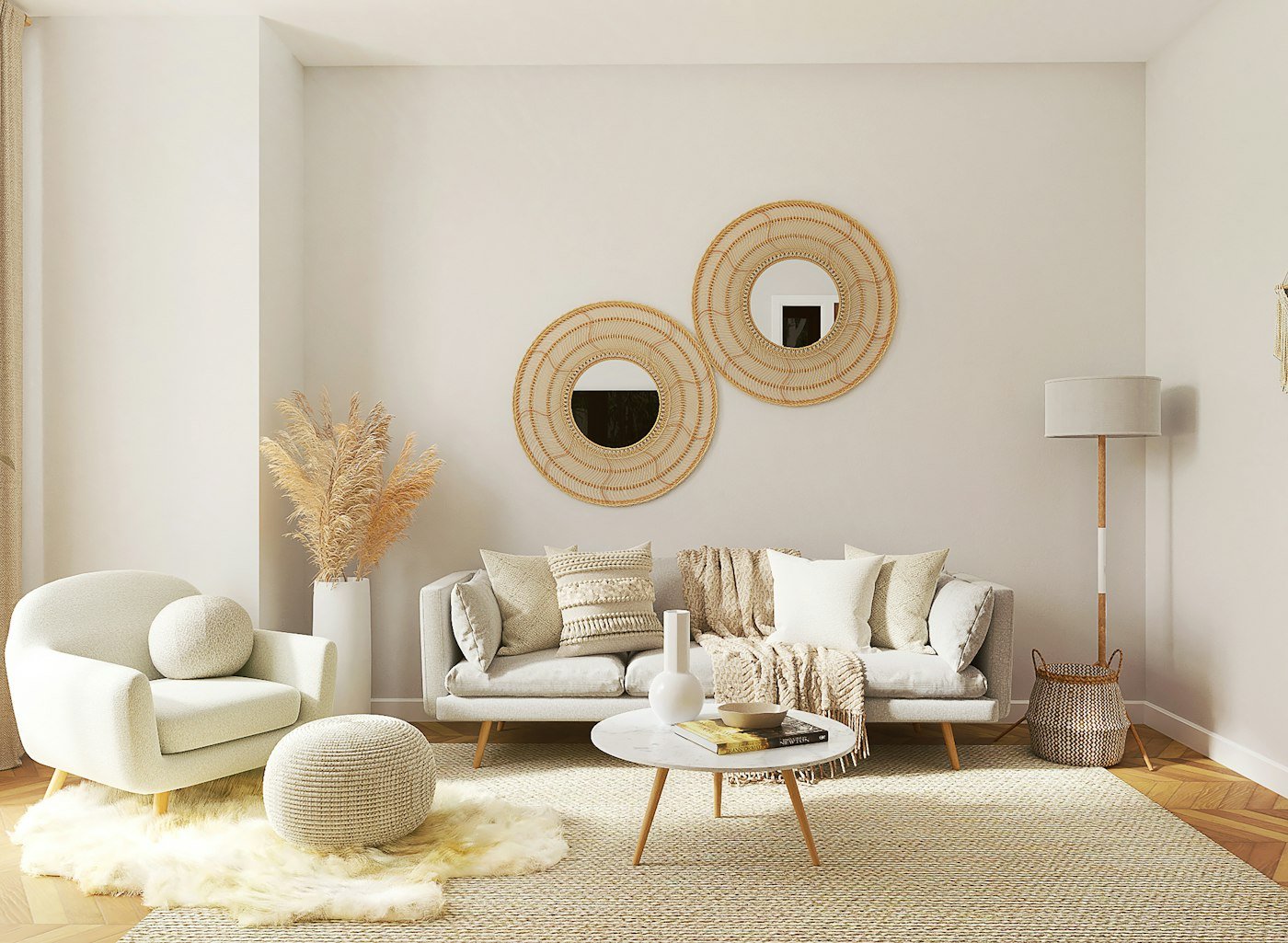
A Scandinavian living room gets reduced to “white walls and a few plants” more often than almost any other style, but that’s only half the picture. The real look leans just as much on natural materials and layered texture as it does on a light palette — skip either one and the room reads as cold instead of calm.
This guide walks through exactly how to create a Scandinavian living room step by step, using materials and habits rather than a strict shopping list. Most of it works whether you’re renting or renovating, and none of it requires starting from an empty room — the same principles apply just as well in a small living room as they do in a larger one.
Why Scandinavian Doesn’t Mean All White
The biggest misunderstanding in how to create a Scandinavian living room is treating “light” and “white” as the same thing. Real Nordic interiors lean on warm, light wood tones, off-whites and soft greys just as much as pure white — the warmth comes from material, not from the wall color alone.
Step 1: Choose a Light, Warm Base Palette
Start with a wall and furniture palette in soft white, warm grey, or a pale oatmeal tone — something that reflects light without feeling stark. This base is what makes every other step of how to create a Scandinavian living room work, because it’s the backdrop everything else layers onto.
Step 2: Prioritize Natural Materials Over Painted Ones
Light wood (oak, ash, birch), wool, linen and leather do more for the Scandinavian look than any specific furniture shape. Where you have a choice between a painted piece and a natural-material one in a similar tone, the natural material almost always reads as more authentic to the style.
Step 3: Keep Furniture Functional and Pared Back
Scandinavian design has always prized function alongside form — a piece earns its place by doing a job well, not just by looking good empty. When you’re deciding what stays in the room, favor furniture with clean, simple lines over anything heavily ornamented or purely decorative.
Step 4: Layer in Texture Through Textiles
A room built entirely on light wood and white walls can feel flat without texture, which is why textiles matter so much in how to create a Scandinavian living room that actually feels warm. A chunky wool throw, a sheepskin on a chair, linen curtains — these add the coziness the Danish call hygge, which the style is known for.
Step 5: Maximize Natural Light
Keep window treatments minimal — sheer or light curtains rather than heavy drapes — and avoid blocking windows with furniture. Scandinavian countries get limited daylight for much of the year, and the design style responds by protecting and reflecting whatever natural light is available, which is a core part of how to create a Scandinavian living room that feels bright rather than sparse.
Step 6: Add One or Two Black Accents for Contrast
A single black lamp, picture frame, or slim metal chair leg keeps an all-light palette from feeling flat. This is one of the most underused tricks in how to create a Scandinavian living room with any visual depth — without at least one dark point, the eye has nowhere to land.
Step 7: Bring In Greenery
One or two plants in simple pots add the organic element that balances out all the straight lines and neutral tones. A single large plant often works better than several small ones scattered around the room, keeping the same pared-back approach that runs through every other step.
What to Change First If You’re Starting From Scratch
If the room currently leans dark, heavily patterned, or crowded with furniture, don’t try to fix everything in one weekend. Start with the palette (Step 1) and the furniture edit (Step 3) — these two changes alone move a room further toward Scandinavian than any single accessory purchase could. Textiles, the black accent, and plants are easier to layer in gradually once the base is right.
This staged approach also matters for budget reasons. Most of how to create a Scandinavian living room comes from paint, textiles and editing what you own — the natural-material furniture pieces are the most expensive part of the look, so it’s worth living with the lighter, edited version of your current furniture for a while before replacing anything.
Applying This in a Rental
None of the steps in how to create a Scandinavian living room require paint or permanent changes. The palette can come from rugs, curtains and furniture rather than walls; natural materials show up in furniture and accessories you bring with you; and the black accent pieces are usually small, movable objects rather than fixtures. A renter can apply this entire guide and take every piece of it to the next apartment.
How Long This Usually Takes
A full room built entirely around this style can happen gradually over a few months without ever feeling like a disruptive renovation. The palette and furniture edit (Steps 1 and 3) can realistically happen in a weekend. Textiles and accents (Steps 4 and 6) are easy to add piece by piece as budget allows, and most people find the room keeps improving for months after the “official” setup, simply by swapping in better natural-material pieces as they’re found.
Common Mistakes to Avoid
- Going all white with no wood tones. This is the single biggest reason a Scandinavian attempt ends up feeling cold instead of calm.
- Skipping texture entirely. A textile-free room, however light and clean, tends to feel unfinished rather than minimal.
- Overcrowding with decor. The style favors a few meaningful objects over many small ones — more items usually reads as cluttered, not curated.
- Blocking natural light with heavy curtains or furniture. Light is doing real work in this style; protect it rather than covering it.
FAQs
What colors are used in a Scandinavian living room? Soft white, warm grey, pale oatmeal and light wood tones form the base, with black used sparingly as an accent rather than a primary color.
Is Scandinavian style the same as minimalist? They overlap but aren’t identical — Scandinavian design leans more on natural materials and cozy texture, while minimalist style focuses more strictly on reducing what’s in the room.
How do I make a Scandinavian living room feel warm, not cold? Layer in texture through wool, linen and sheepskin textiles, and lean on natural wood tones rather than an all-white palette — texture and material do more for warmth than color choices alone.
Can I create a Scandinavian living room without buying new furniture? Often yes — start by editing what you have down to functional, simple pieces, then add textiles and one or two natural-material accents before considering new furniture.
What is hygge and how does it relate to this style? Hygge is the Danish concept of coziness and comfort, and it’s why texture (throws, soft lighting, natural materials) matters as much as the color palette in a genuinely Scandinavian room.
What should I buy first when starting a Scandinavian living room? Paint or textiles, not furniture. The palette and an edited furniture arrangement do more for how to create a Scandinavian living room than any single new piece, and they cost far less than replacing furniture.
The Bottom Line
Learning how to create a Scandinavian living room comes down to balancing a light palette with real material warmth — wood, wool and linen doing the work that color alone can’t. Get that balance right, add one dark accent for contrast, and the same light room that could feel sparse instead feels calm and lived-in.
Related:
22 Living Room Ideas That Make a Small Space Feel Bigger · 15 Small Living Room Ideas With TV That Still Feel Spacious