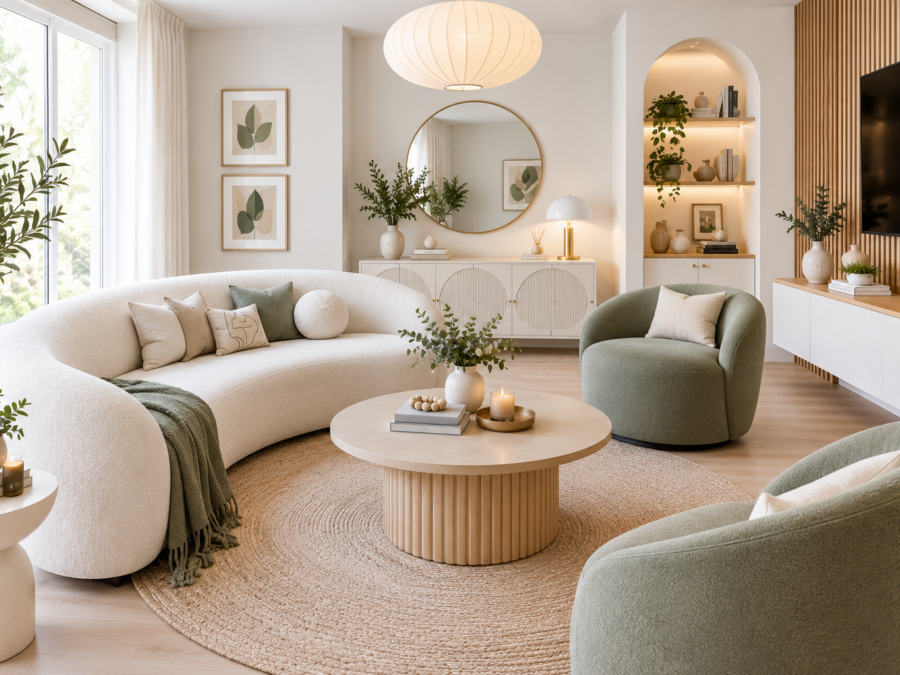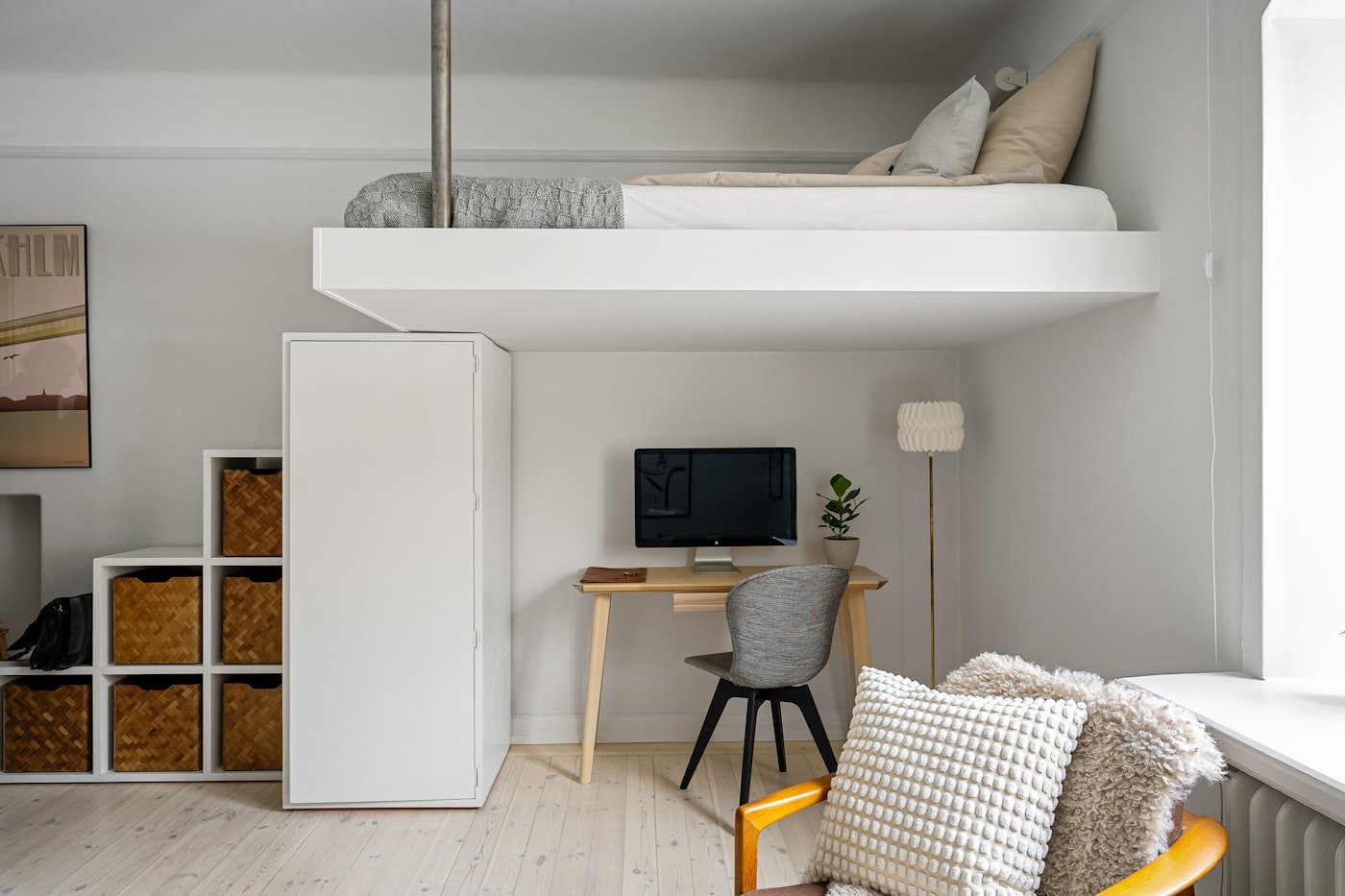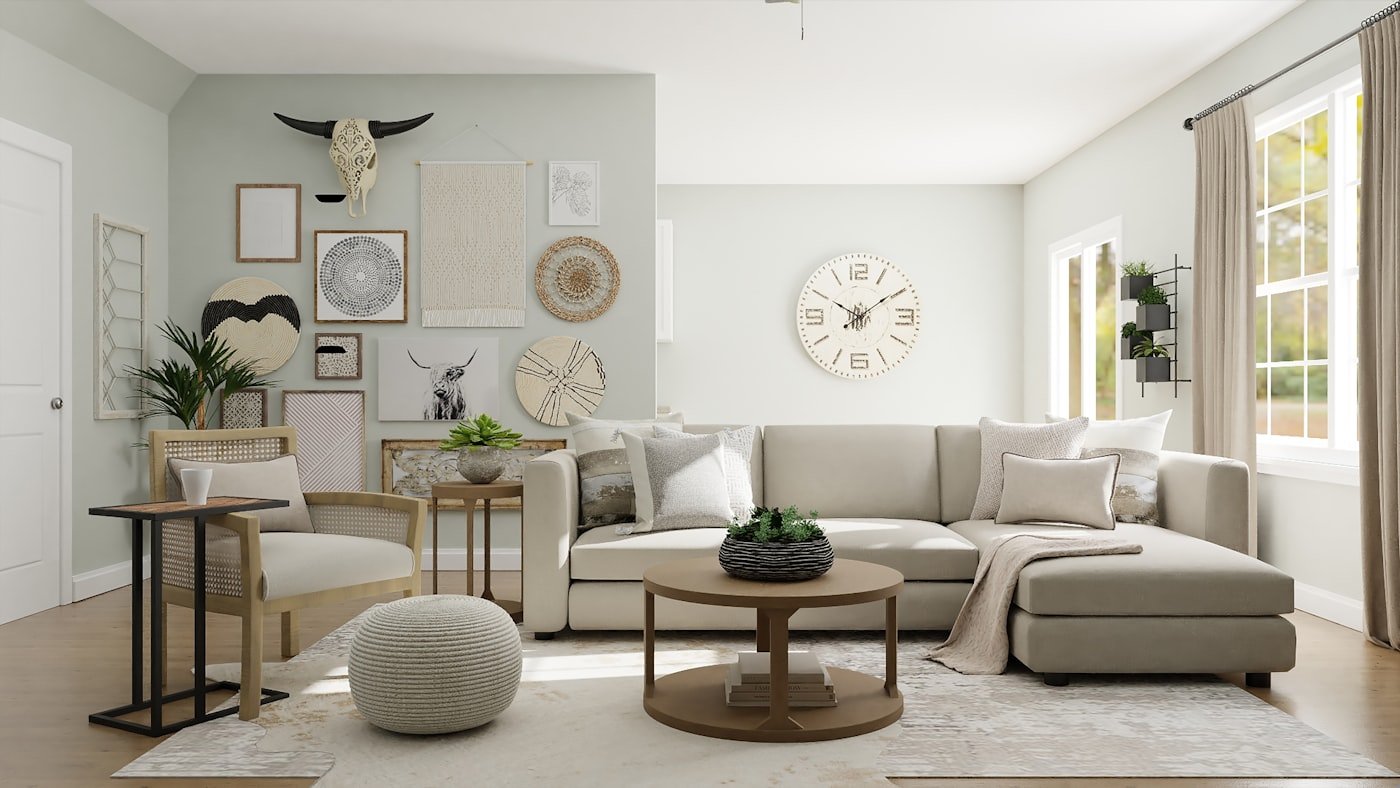
These small living room ideas with TV show how to fit a screen into a tight room without it taking over. A TV is the one piece of furniture you can’t shrink, and in a small living room it can end up running the whole show — the console eats the wall, the cords show, and every other piece of furniture gets pushed to face it. It doesn’t have to be that way.
With the right small living room ideas with TV, the screen fits the room instead of the other way around.
These are 15 real, copyable ways to fit a TV into a small living room without letting it take over — plus the layout mistakes worth avoiding and a shopping list that stays under $300. These small living room ideas with TV work whether you’re renting or renovating from scratch, and pair well with general viewing distance guidelines.
Why TVs Make Small Living Rooms Feel Smaller
It’s rarely the TV itself — it’s everything built around it. A bulky console, a tangle of visible cords, and furniture squared off to face a black rectangle all add visual weight to the one wall you can’t afford to lose. Fix the setup around the TV, and the room stops feeling like it’s built around a screen.
That’s the gap these small living room ideas with TV are built to close.
15 Small Living Room Ideas With TV That Work in Real Homes
1. Mount it, don’t stand it
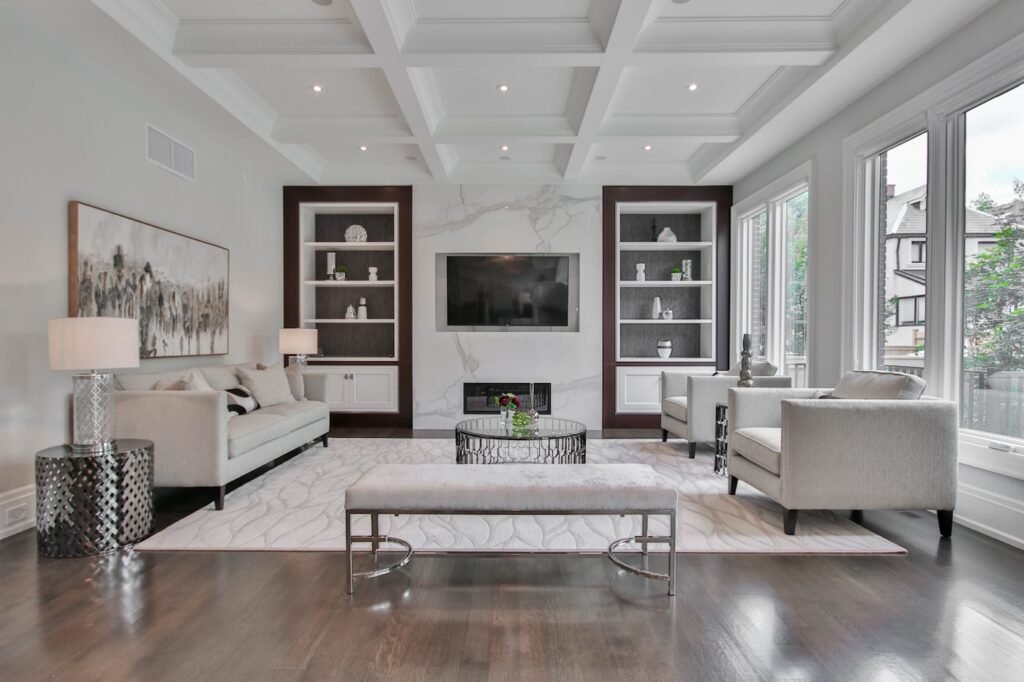
A wall-mounted TV gives you back the floor space a console would eat — often a foot or more of depth. It’s the single biggest space-saver on this list, and a fixed or tilt mount costs under $40.
2. Let the console double as storage
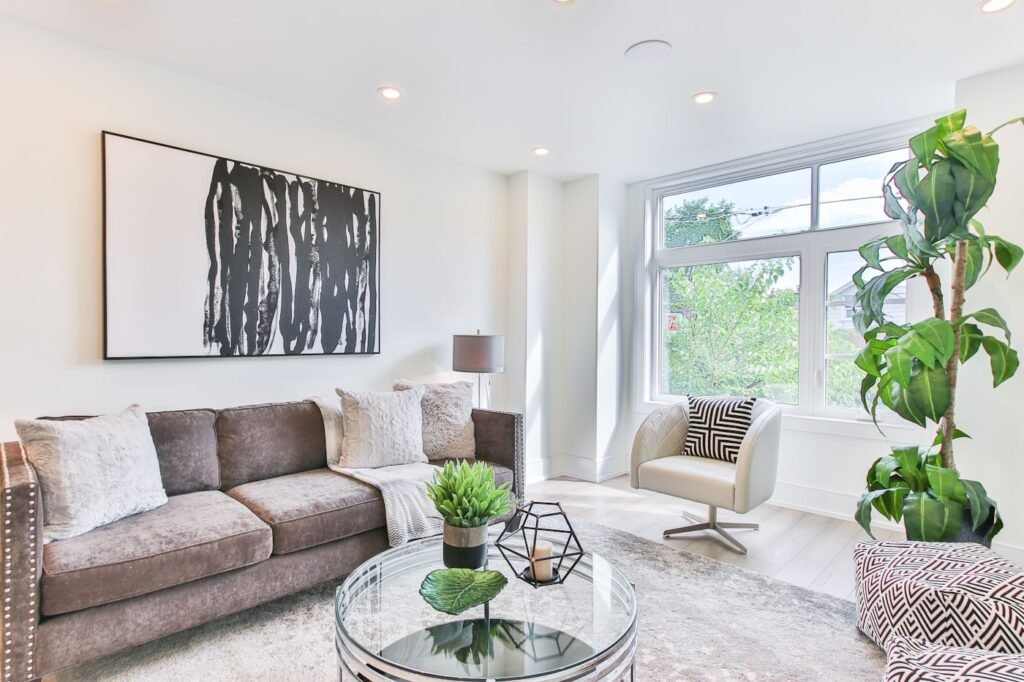
If you do want a console, pick one with closed drawers or woven baskets instead of open shelving. It hides remotes, cables and console games, which does more for a “tidy” look than the TV placement itself.
3. Center it on the shortest wall, not the longest
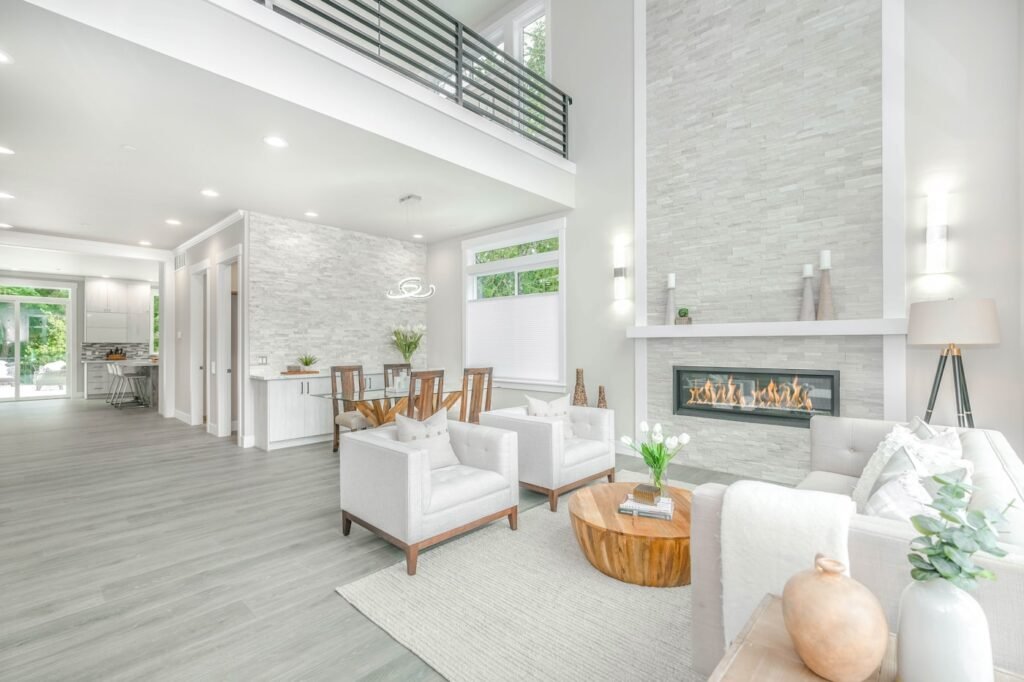
Putting the TV on the shortest wall leaves the long wall free for a sofa and a walking path, instead of splitting the room into two narrow strips.
4. Float shelving instead of a media unit
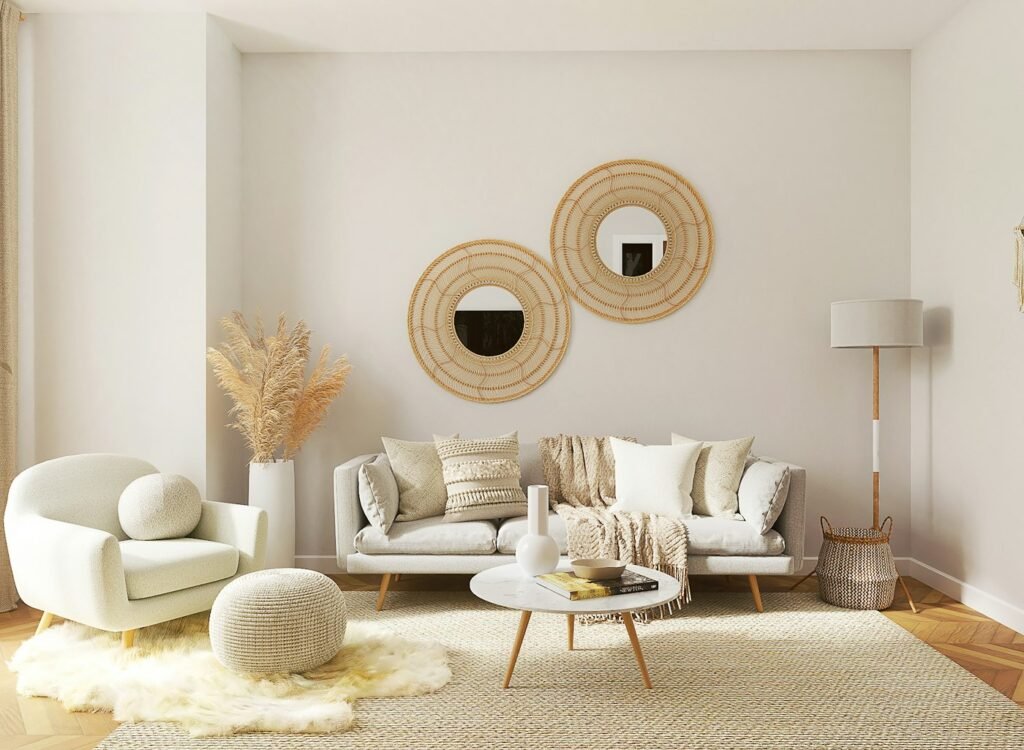
Two or three floating shelves beside the TV hold books and decor without the footprint of a full media unit — and they draw the eye up, which makes the ceiling feel higher.
5. Hide cords in a cord channel
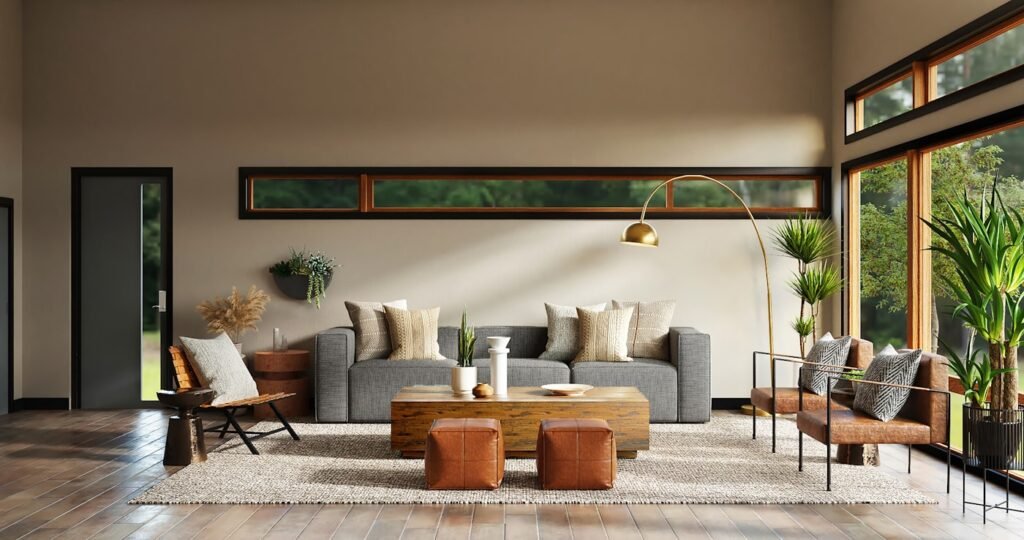
A $10–15 adhesive cord raceway, painted to match the wall, turns a tangle of cables into a clean vertical line. This alone makes a mounted TV look intentional instead of temporary.
6. Use a swivel mount for multi-purpose seating
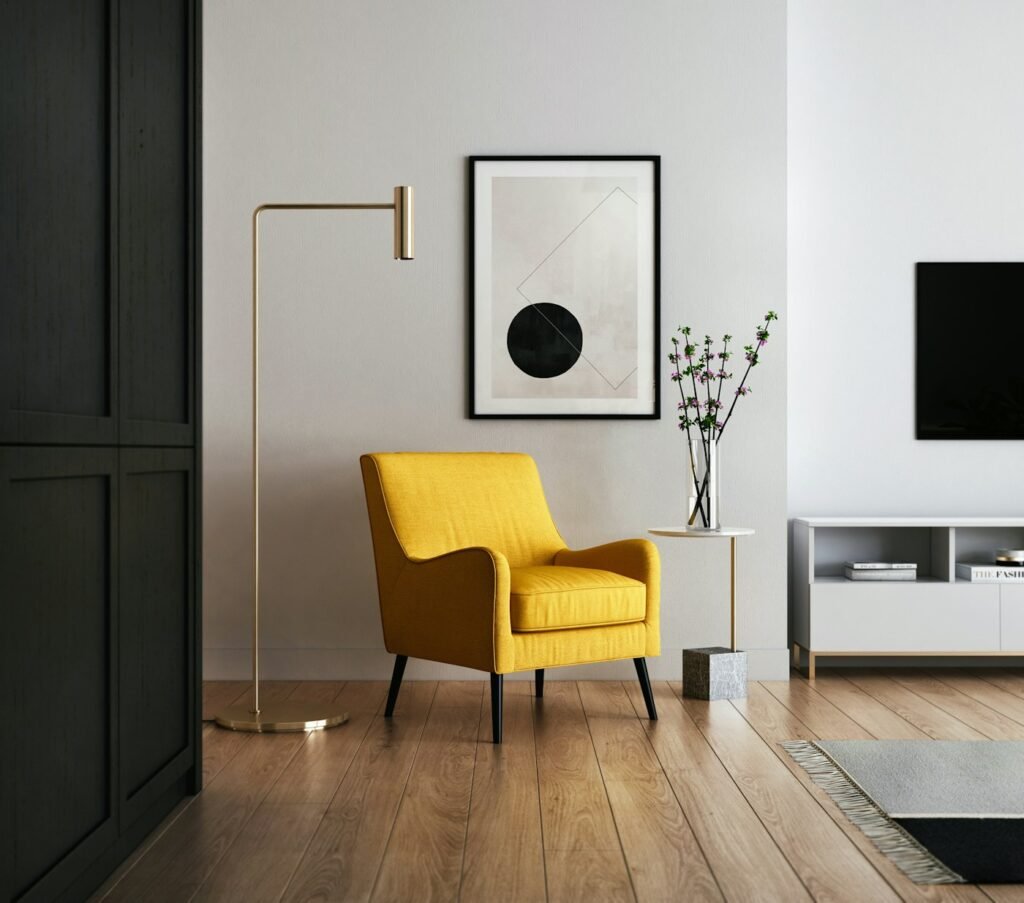
A swivel or full-motion mount lets you angle the TV toward a reading chair, the kitchen, or even a small dining spot — useful when one room has to do three jobs.
7. Try an art-mode or frame-style TV
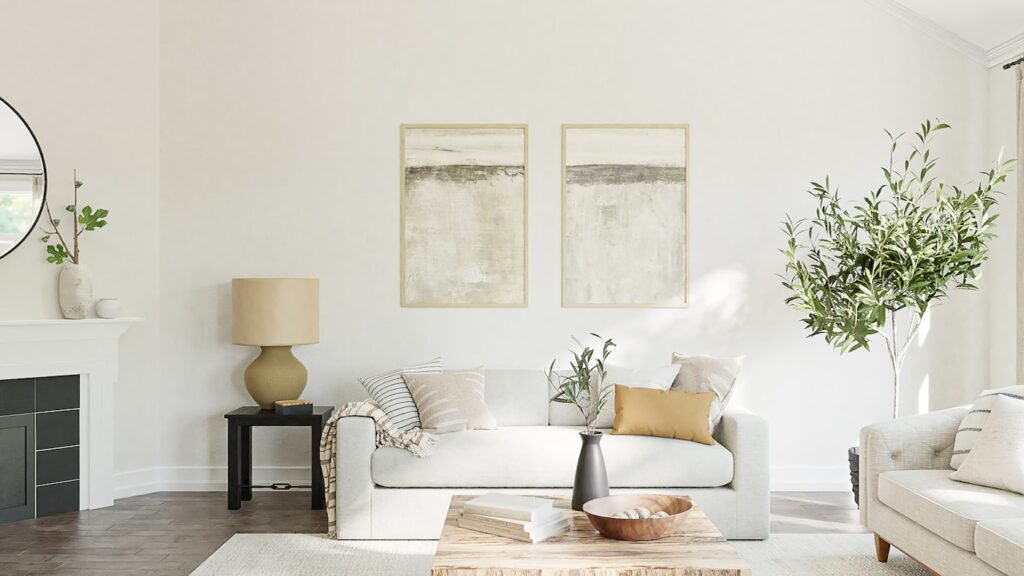
Frame TVs (or a printable frame-mode setting on some smart TVs) display art when the screen is off, so the TV stops reading as “the focal point of the room” the second it’s not in use.
8. Size the TV to the room, not the wall
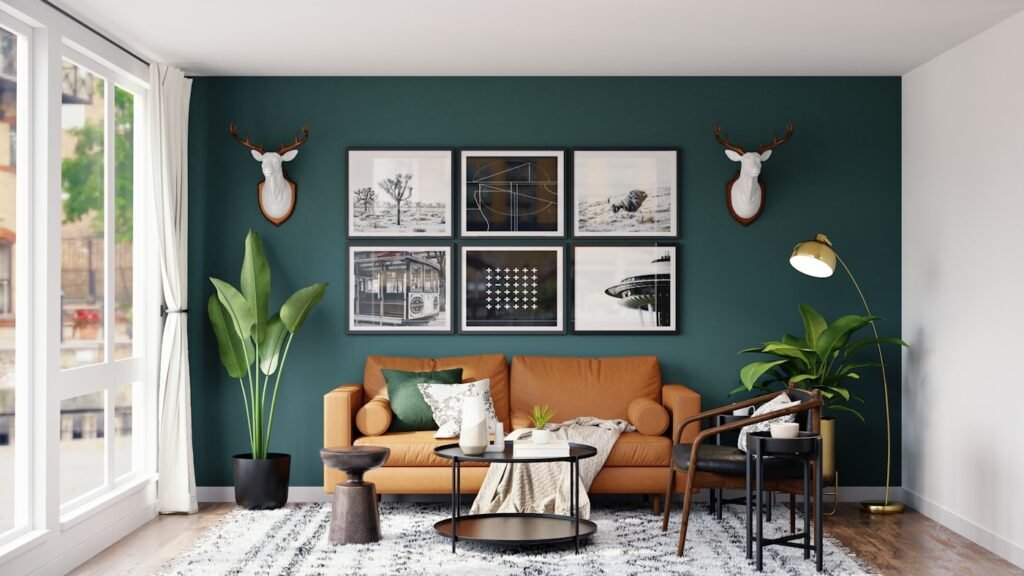
A TV that’s too large for the seating distance makes a small room feel like a screening room. As a rule of thumb, divide your seating distance (in inches) by 1.5–2.5 to land on a comfortable screen size — a 43–50″ set is plenty for most small living rooms.
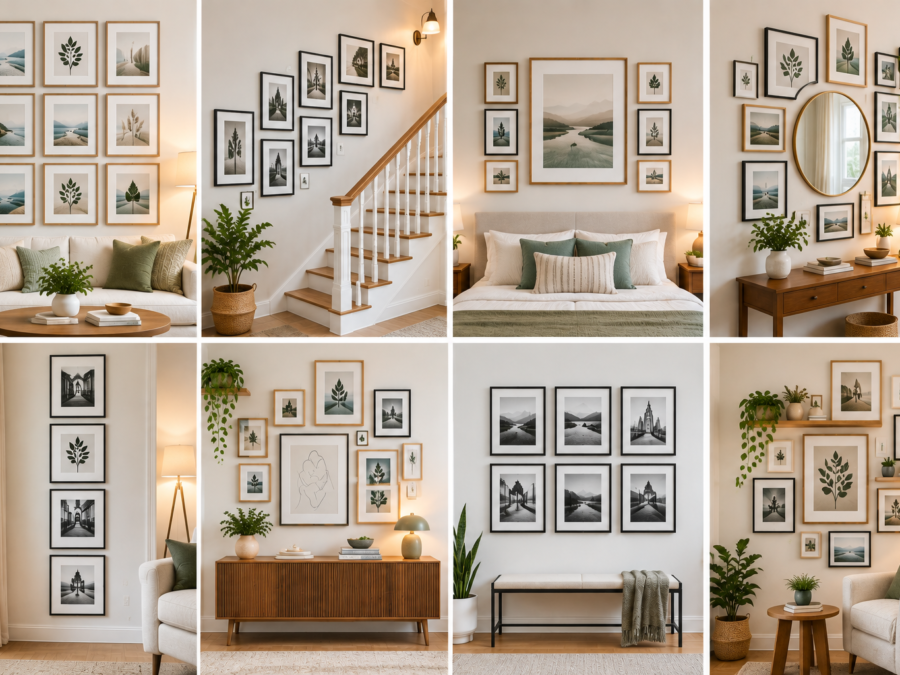
9. Build a gallery wall around it
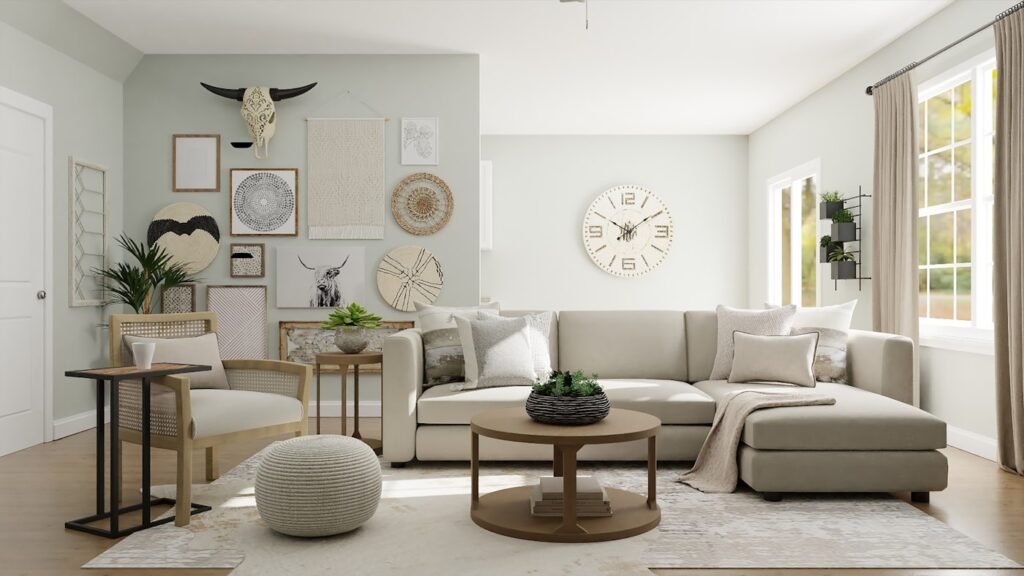
Surrounding the TV with 4–6 small frames at the same depth breaks up the “black rectangle on white wall” look and makes the TV read as one piece of a larger wall, not the whole wall.
10. Swap bulky speakers for a low-profile soundbar
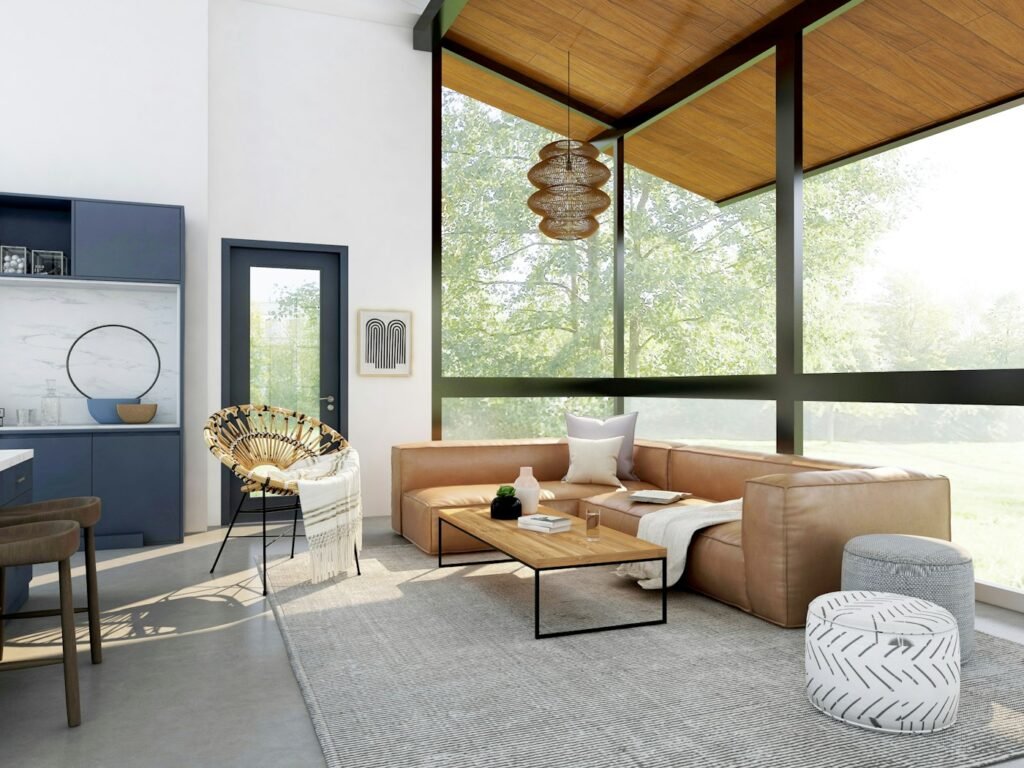
A slim soundbar (2–3 inches tall) sits under a mounted TV without adding visual bulk, and skips the floor-standing speakers a small room doesn’t have room for.
11. Use the corner if the layout is awkward
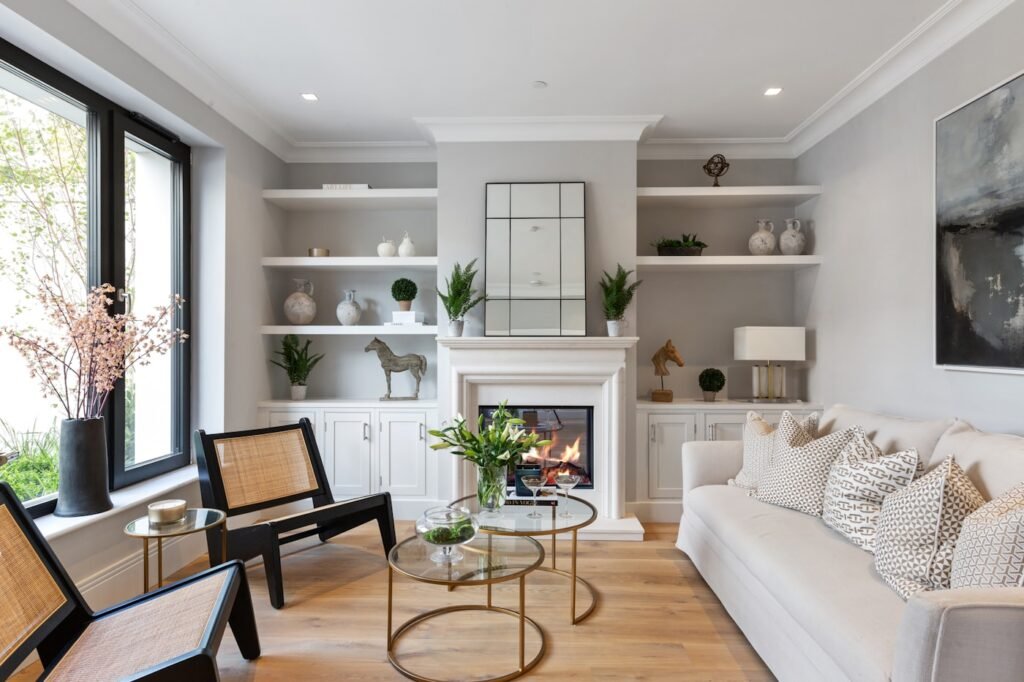
In rooms with only one usable wall interrupted by a door or window, a corner TV mount frees up both adjoining walls for a sofa and a console table.
12. Let the console double as a room divider
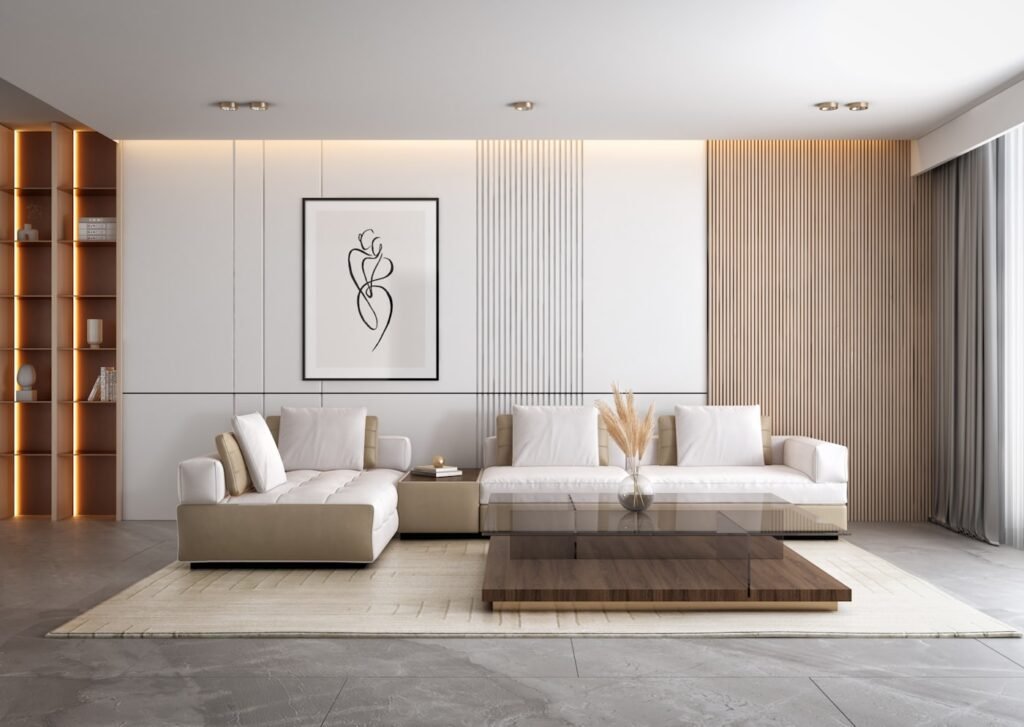
In an open-plan space, a slim two-sided console with the TV mounted above it can mark the edge of the “living room” zone without adding a wall.
13. Paint a shadow panel behind the TV
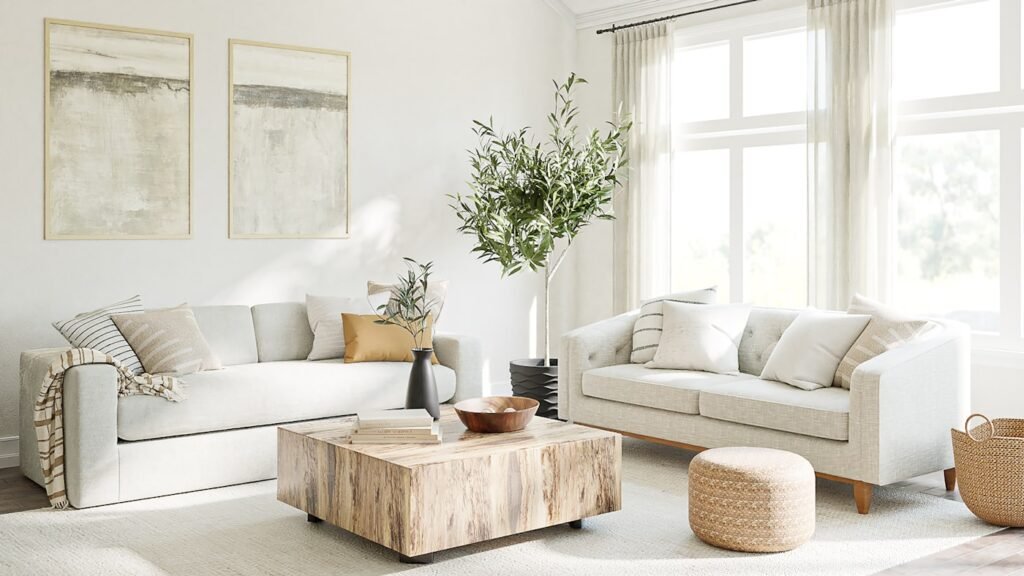
A rectangle of slightly darker paint (or peel-and-stick wood panels) behind the TV grounds it visually, so it looks placed rather than stuck on a blank wall — a weekend project under $30 in paint.
14. Match the console tone to the wall
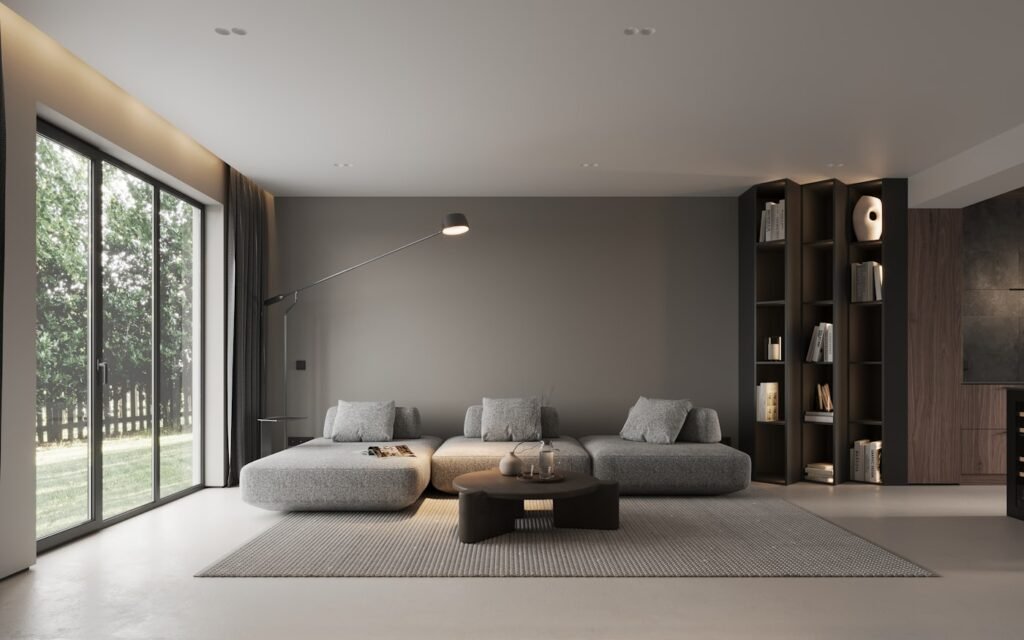
A console close in color to the wall behind it visually recedes, which keeps the eye moving through the room instead of stopping at the TV setup.
15. Add warm lamp light so the room isn’t just screen-lit
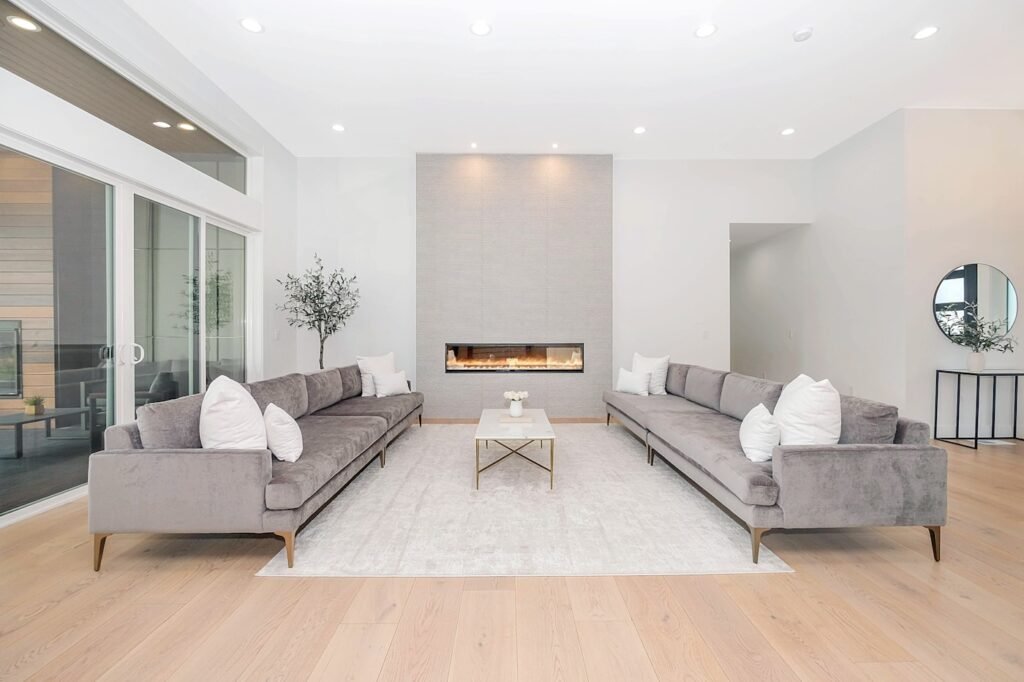
One or two warm-toned lamps stop the TV from being the brightest thing in the room after dark, which keeps a small space feeling like a living room and not a lit-up screen in a dark box.
Small Living Room TV Layout Mistakes to Avoid
Even the best small living room ideas with TV fall flat if the basics are off, so run through these before you commit:
- Mounting too high. The center of the screen should sit close to eye level when seated — usually 42–48 inches from the floor, not up near the ceiling.
- Facing every seat at the TV. Angle one chair toward the room instead, so the space still works for conversation when the TV’s off.
- Skipping the cord plan. Even a mounted TV looks unfinished with cables hanging in full view.
- Going oversized “because the wall is empty.” A wall looking bare is a decor problem, not a TV-size problem — solve it with shelves or art, not inches of screen.
Budget Shopping List (Under $300)
- Tilt or full-motion TV mount (standard bracket, 32–55″) — $25–45
- Cord raceway channel (paintable, adhesive) — $10–15
- Slim soundbar (2.0 or 2.1 channel) — $60–90
- Floating shelves (pair, 24″ wood) — $30–50
- Gallery frames (set of 6, matching thin frame) — $35–50
- Warm LED lamp (table or floor, warm bulb) — $25–40
Prices are typical ranges — swap in whatever’s already in the house first; half of this list is often a repaint or a rearrange, not a purchase.
FAQs
How do I style a small living room with a TV?
Mount the TV to free up floor space, keep the console (if any) closed-storage only, hide cords in a channel, and balance the screen with shelving or a gallery wall so it isn’t the only thing on the wall.
What size TV is right for a small living room?
For most seating distances in a small room (6–9 feet), a 43–50 inch TV is comfortable. Divide your seating distance in inches by 1.5–2.5 for a rough guide.
Where should the TV go in a small living room?
On the shortest wall where possible, at seated eye level (roughly 42–48 inches to the screen’s center), so the long wall stays free for seating and a walking path.
What colors make a small living room with a TV feel bigger?
Light, warm neutrals on the walls (and on the console, if you have one) let the TV recede instead of standing out as a dark block against a light wall. That’s the same principle behind every one of these small living room ideas with TV: let the screen recede so the room reads as a room first.
Related: 22 Living Room Ideas That Make a Small Space Feel Bigger