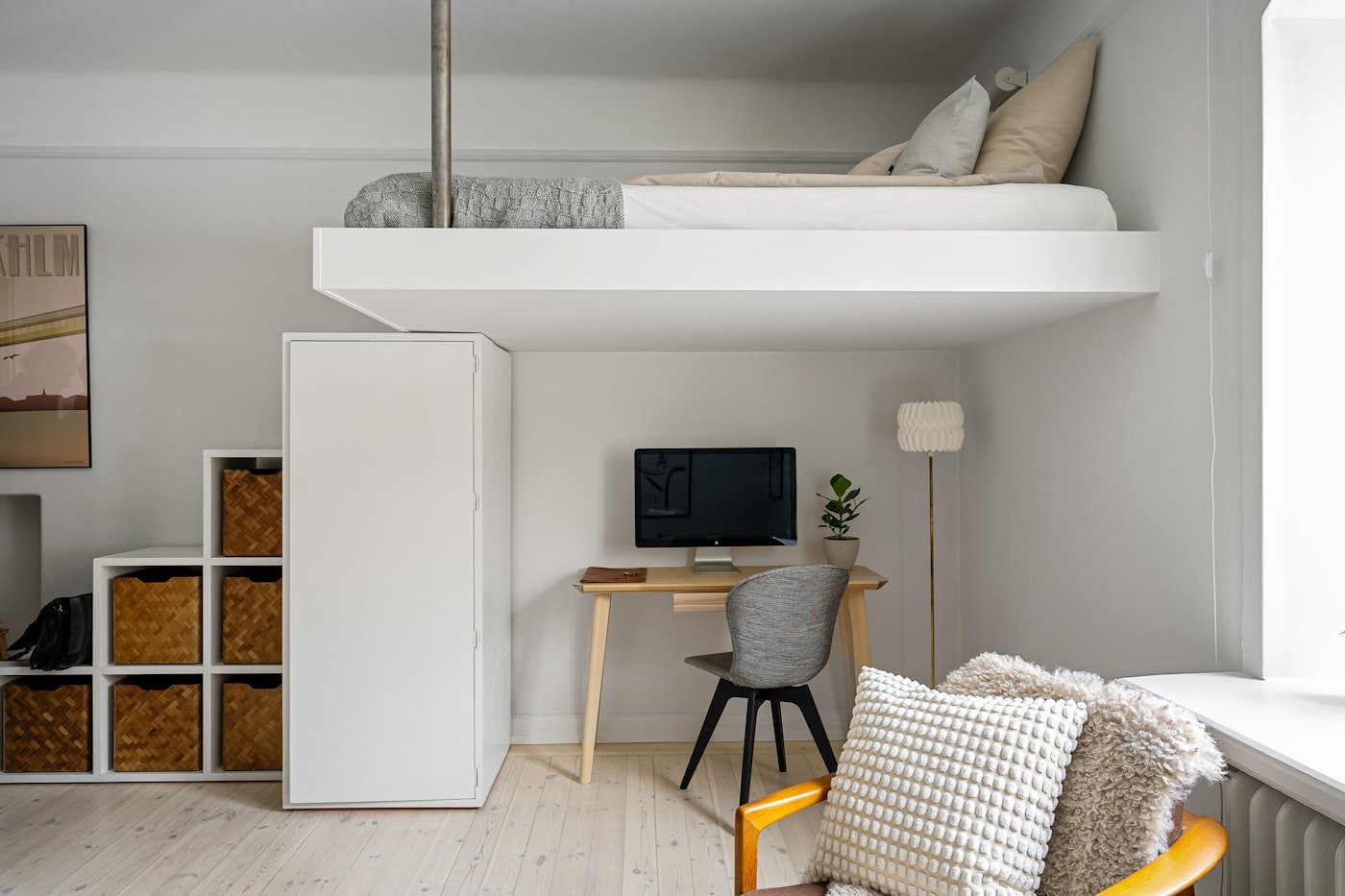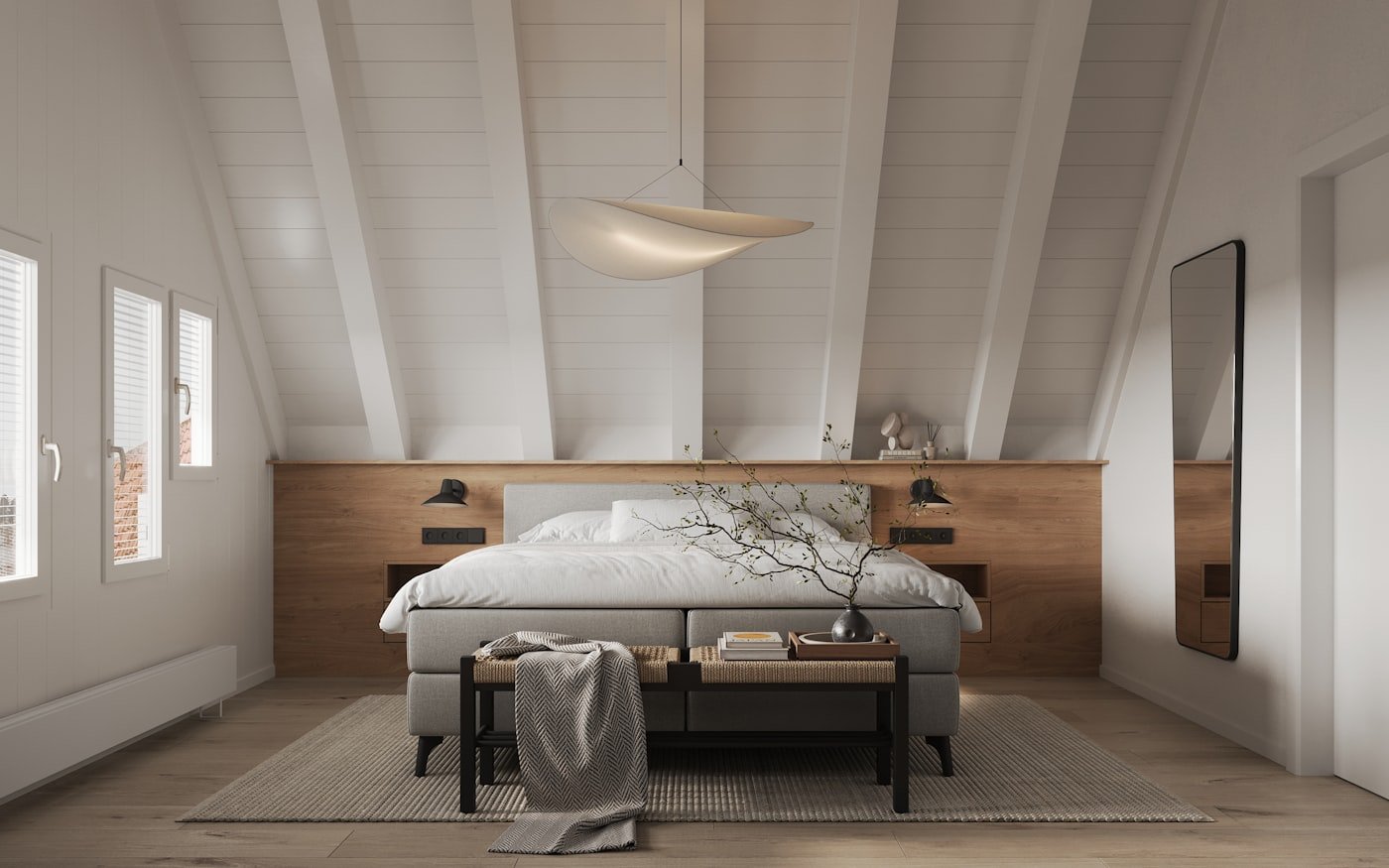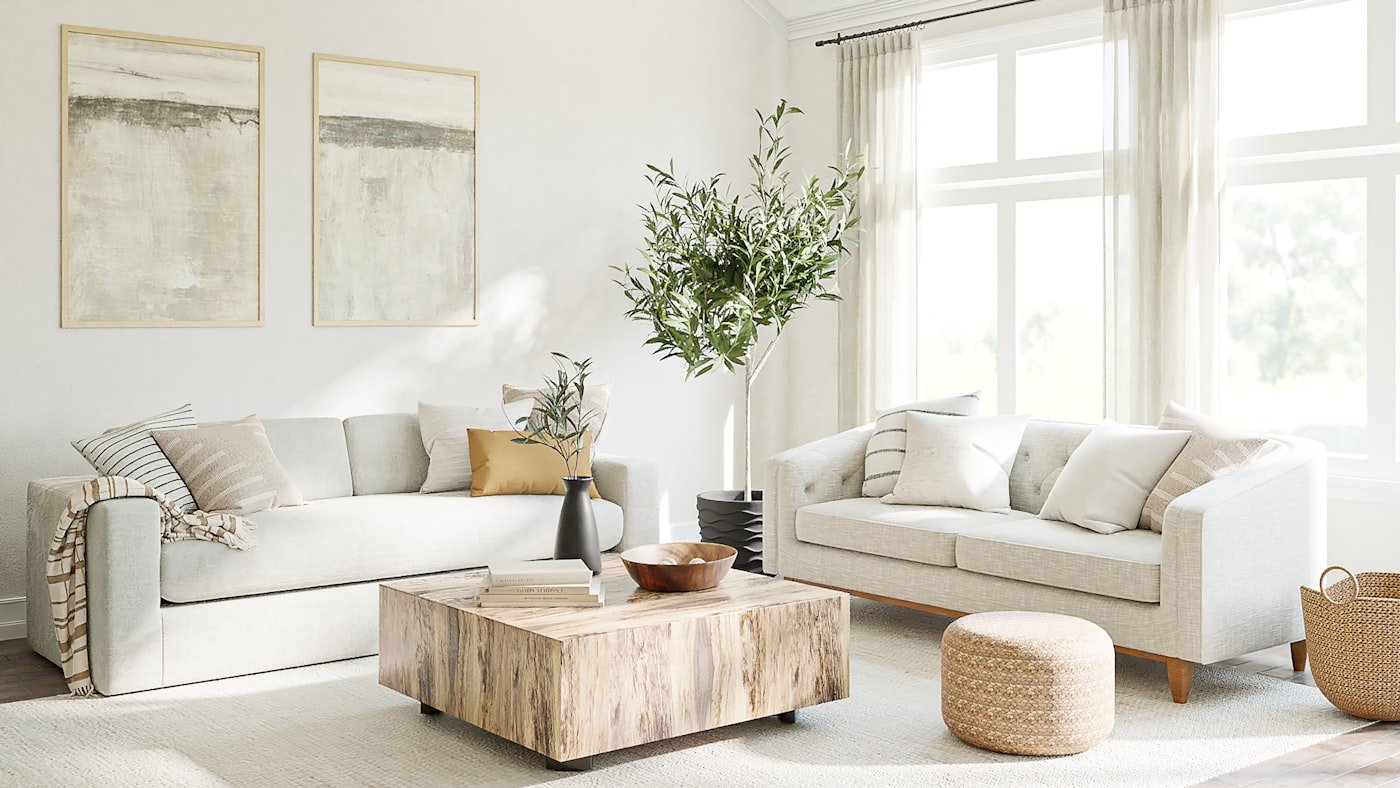
A minimalist apartment isn’t just an empty one — it’s a space where everything left in the room is there on purpose. If your apartment feels cluttered even after a cleaning weekend, the problem usually isn’t mess. It’s too much stuff competing for the same visual space.
This guide walks through exactly how to create a minimalist apartment step by step, from the first reset to the small weekly habit that keeps it that way. None of it requires a full renovation or an empty budget — just a different starting point, and a willingness to be a little more selective about what earns a place in the room.
Most of what follows applies whether you’re renting a studio, sharing a two-bedroom with a roommate, or settling into your first place alone. The principles don’t change with square footage — only how many rooms you apply them to.
Why Minimalist Doesn’t Mean Empty or Cold
The biggest misconception about how to create a minimalist apartment is that it means bare white walls and no personality — that’s closer to the strict, design-movement definition of minimalism than how it actually works in a lived-in home. In practice, the calmest minimalist spaces still have texture, warmth and color — they just have less of it, chosen more carefully. The goal isn’t to remove everything; it’s to remove everything that isn’t earning its place.
This distinction matters because a lot of people try minimalism once, end up with a room that feels stark and uninviting, and give up on the whole idea. That’s usually a sign the process stopped one step too early — at “empty” instead of “edited.”
Step 1: Start With a Full Reset, Not a Tidy-Up
Before you can learn how to create a minimalist apartment that actually feels different, take everything off one surface — a shelf, a countertop, a dresser top — completely. Then add back only what you use weekly or genuinely love looking at. This single exercise, repeated room by room, does more than any amount of rearranging clutter in place. It also tends to be uncomfortable the first time — most people are surprised by how little they actually reach for once it’s out of sight, which is exactly the information this step is meant to surface.
Step 2: Choose One Neutral Base Palette
Pick one dominant neutral (soft white, warm greige, light oak) and let it cover the walls, the largest furniture piece, and the floor if you have a say in it. A single consistent base is what makes a minimalist apartment feel calm rather than sparse — color and pattern can still show up in small doses against it, in a throw pillow or a piece of art, without breaking the overall effect.
If you’re renting and can’t repaint, the same principle works through textiles and furniture choices instead — a light rug, light curtains, and furniture in similar wood or fabric tones can do almost the same job as a wall color.
Step 3: Keep Only Furniture That’s Doing a Job
Walk through each room and ask what job every piece of furniture is doing. A chair no one sits in, a side table holding only dust — these are the first things to go when you’re figuring out how to create a minimalist apartment that isn’t just visually quiet but functionally simple too.
Step 4: Store What’s Not in Daily Use, Out of Sight
Minimalist doesn’t mean owning nothing — it means not seeing everything at once. Off-season clothing, extra linens, hobby supplies: all of it can stay, as long as it’s behind a closed door or in a labeled bin rather than sitting out on open shelving. This is one of the most practical parts of how to create a minimalist apartment without actually getting rid of things you still need.
Step 5: Limit Decor to a Few Intentional Pieces
Instead of filling every shelf and wall, choose a handful of objects that genuinely mean something — one piece of art, one plant, one object with a story — and give each one room to breathe. A shelf with three carefully placed items reads as more curated than one with fifteen scattered ones, and it’s a core part of how to create a minimalist apartment that still feels personal.
Step 6: Layer Texture Instead of Color for Warmth
A room built entirely around one neutral palette can feel flat without texture. Add warmth through a woven throw, a wood surface, a linen curtain — texture does the work that color would otherwise need to do, and it’s the detail most people skip when they’re first learning how to create a minimalist apartment that doesn’t feel sterile.
Step 7: Maintain It With a 10-Minute Weekly Reset
The hardest part of how to create a minimalist apartment isn’t the first weekend — it’s keeping it that way. Set a recurring ten-minute check each week: put back anything that’s drifted out of place, and ask whether anything new that’s entered the apartment has actually earned a permanent spot. This single habit prevents the slow creep back to clutter more than any big seasonal purge.
Applying This Room by Room
The same seven steps work slightly differently depending on which room you’re tackling:
- Living room: Start with the coffee table and any open shelving — these tend to collect the most “maybe I’ll use this” items. Keep seating to what the space actually needs rather than what looks impressive empty.
- Bedroom: The nightstand and dresser top are usually the two surfaces working hardest against a minimalist apartment goal. Clear both completely and rebuild slowly.
- Kitchen: Countertops are the test here — a genuinely minimalist kitchen counter usually holds only what’s used daily, with everything else stored in a cabinet or drawer.
- Entryway: Often the first place a minimalist apartment breaks down, since it’s a dumping ground by design. A single tray or small basket for keys and mail keeps it contained without banning the essentials.
You don’t need to do every room in one weekend. Working through them one at a time, using the same reset-then-rebuild approach from Step 1, keeps the process manageable.
Common Mistakes When You Create a Minimalist Apartment
- Going for empty instead of intentional. A minimalist apartment with zero personality isn’t the goal — a curated one with a handful of meaningful pieces is.
- Skipping storage and calling it minimalist. Hiding clutter in a closet you never open isn’t the same as owning less; the habit in Step 7 only works if storage stays genuinely organized.
- Choosing more than one dominant color. Mixing two or three “neutral” bases (a warm and a cool white, for example) undoes the calm effect a single palette creates.
- Buying new minimalist-style furniture before editing what you own. Often the fastest way to a minimalist apartment is removing pieces, not replacing them.
FAQs
What is the first step in creating a minimalist apartment? A full reset of one surface at a time — clear it completely, then add back only what you use or genuinely love — rather than trying to declutter the whole apartment at once.
Does a minimalist apartment have to be all white? No. A single consistent neutral base (which can be white, greige, or warm wood tones) matters more than the specific color — texture and a few personal objects keep it from feeling cold.
How much does it cost to create a minimalist apartment? Very little, if you start by editing what you already own. Most of the transformation in how to create a minimalist apartment comes from removing and reorganizing, not buying new furniture.
How do I keep a minimalist apartment from getting cluttered again? A short, recurring weekly reset — ten minutes spent putting things back and questioning anything new — prevents the slow buildup that undoes a big decluttering effort.
Can I create a minimalist apartment if I share the space with roommates? Yes — apply the steps to your own room and any shared surfaces you’re responsible for first. A single consistent, edited space often encourages the same habit in shared areas over time, even without a house-wide agreement.
Is a minimalist apartment harder to maintain than a normal one? It’s actually easier once it’s set up, because there’s less to clean, organize, and put away. The only extra effort is the ten-minute weekly reset in Step 7, which is far less time than a full decluttering session later.
The Bottom Line
Learning how to create a minimalist apartment isn’t about owning less for its own sake — it’s about making sure everything left in the room is there on purpose. Start with one surface, commit to a single neutral palette, and protect the result with a small weekly habit, and a genuinely calm apartment is much easier to keep than most people expect.
A minimalist apartment isn’t just an empty one — it’s a space where everything left in the room is there on purpose. If your apartment feels cluttered even after a cleaning weekend, the problem usually isn’t mess. It’s too much stuff competing for the same visual spa