After years of soft neutrals, deep browns and muted greens dominating paint trends, color is having a real comeback for 2026, and magenta is leading the charge. Magenta accent wall ideas are showing up in living rooms, dining nooks and hallways, proving that a genuinely bold color can still feel livable rather than overwhelming.
This guide covers how to choose the right shade, what to pair it with, and how to bring magenta into a room without it taking over.
Why Magenta Is Back
Design trend reports point to a broader return of color after several years of muted, earthy palettes. Magenta accent wall ideas fit that shift perfectly: the color is confident and energetic without being as difficult to live with as a truly neon shade. Magenta sits between red and purple on the color wheel, which gives it warmth from the red side and depth from the purple side.
1. Choose a Deep, Muted Magenta Over a Bright One
A deeper, slightly muted magenta, closer to berry or raspberry than hot pink, tends to feel more sophisticated and easier to live with long term. Among all magenta accent wall ideas, this shade choice matters more than almost any other decision, since a brighter tone can read as much more intense once it covers a full wall.
2. Start With Just One Wall
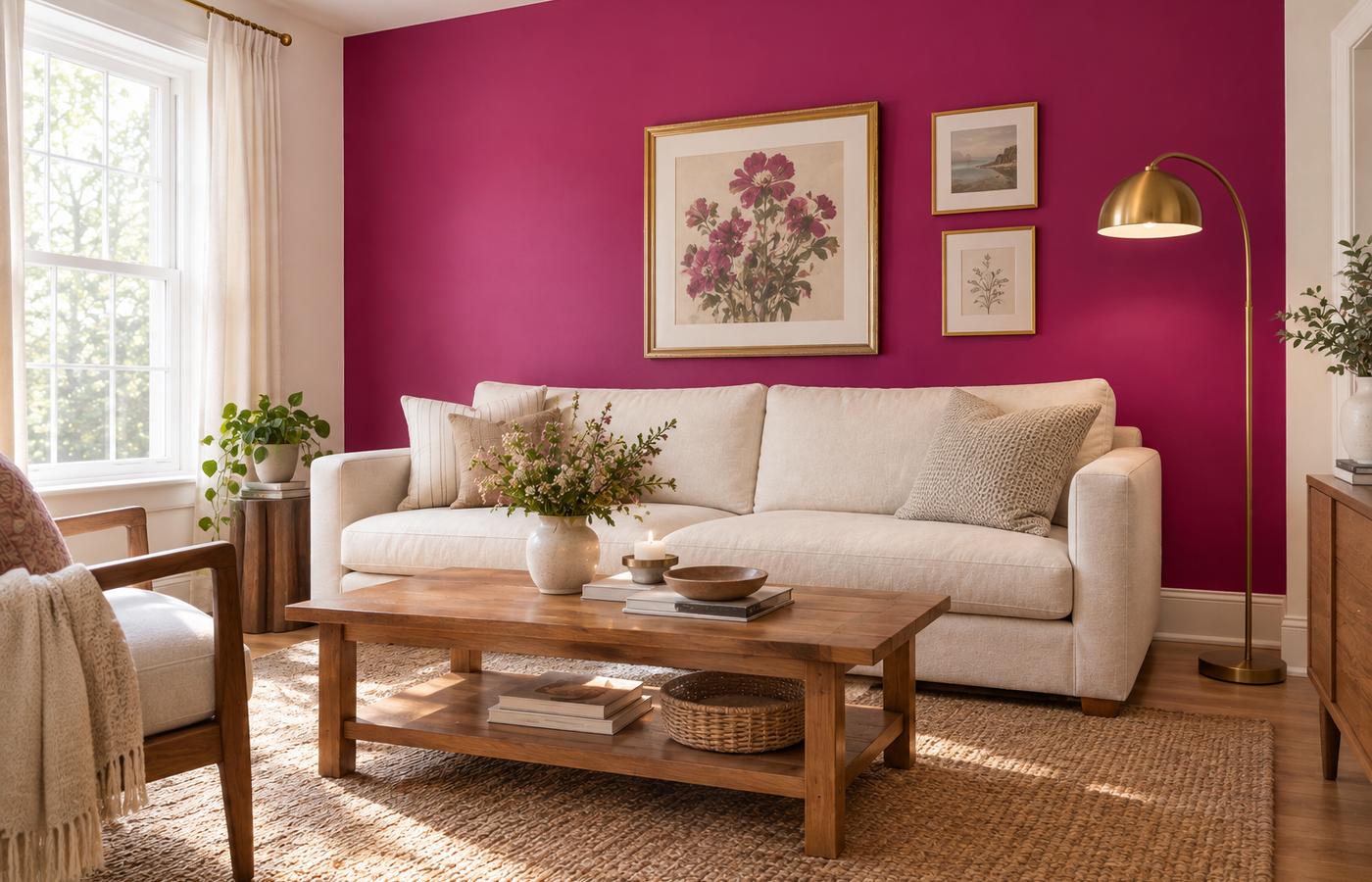
Limiting the color to a single wall, usually the one behind a sofa or bed, keeps magenta accent wall ideas feeling intentional rather than overwhelming. The other walls stay a calm neutral, giving your eye a place to rest.
3. Pair It With Warm Neutrals and Wood
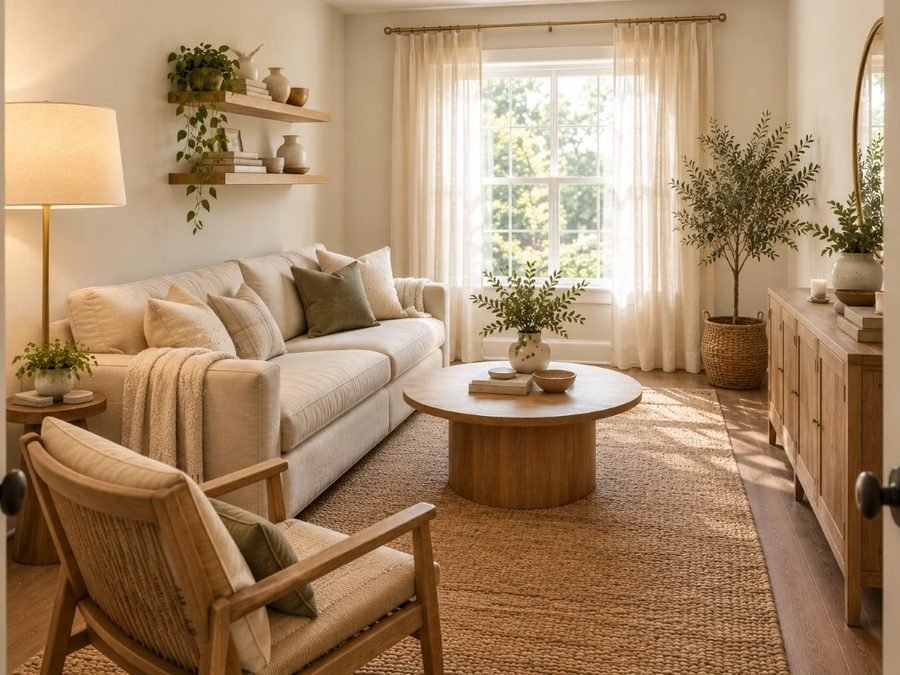
Cream, warm white, natural wood and rattan all balance magenta beautifully, softening its intensity without dulling it. This pairing is the same principle behind color drenching and other bold-color trends: let the neutral pieces do quiet work around one confident color.
4. Add Brass or Gold Accents
Warm metallics like brass and gold pick up on magenta’s warmth and add a touch of glamour without competing with the color. A brass lamp, picture frames or drawer pulls are an easy way to try this pairing before committing to bigger pieces.
5. Keep Patterns to a Minimum
Because a magenta wall is already a strong visual statement, solid-colored furniture and simple textiles keep the room from feeling busy. Among magenta accent wall ideas, this restraint is what separates a confident, curated room from an overwhelming one.
6. Try It in a Smaller, Lower-Traffic Room First
A powder room, a hallway or a home office is a lower-stakes place to test magenta accent wall ideas before committing to a main living space. A smaller room also means less paint and a lower cost if you decide the color isn’t right for you.
Where Magenta Works Best
Living rooms, dining nooks and entryways all suit a magenta accent wall, especially paired with the kind of natural materials covered in a good Japandi living room. Bedrooms can work too, though a slightly deeper or dustier magenta often reads as more restful for a space meant for sleep.
Doing This as a Renter
If your lease allows painting, magenta accent wall ideas are just as achievable as any other accent color, using the same taping and prep steps as accent wall painting. Plan to repaint back to a neutral at move-out, since a saturated color usually needs a coat or two of primer to fully cover.
Budget and Timing
A single accent wall typically costs $40 to $80 in paint and supplies and takes a weekend including drying time between coats. Deep, saturated colors like magenta often need two coats and sometimes a tinted primer to get full, even coverage.
Where to Start If This Is Your First Time
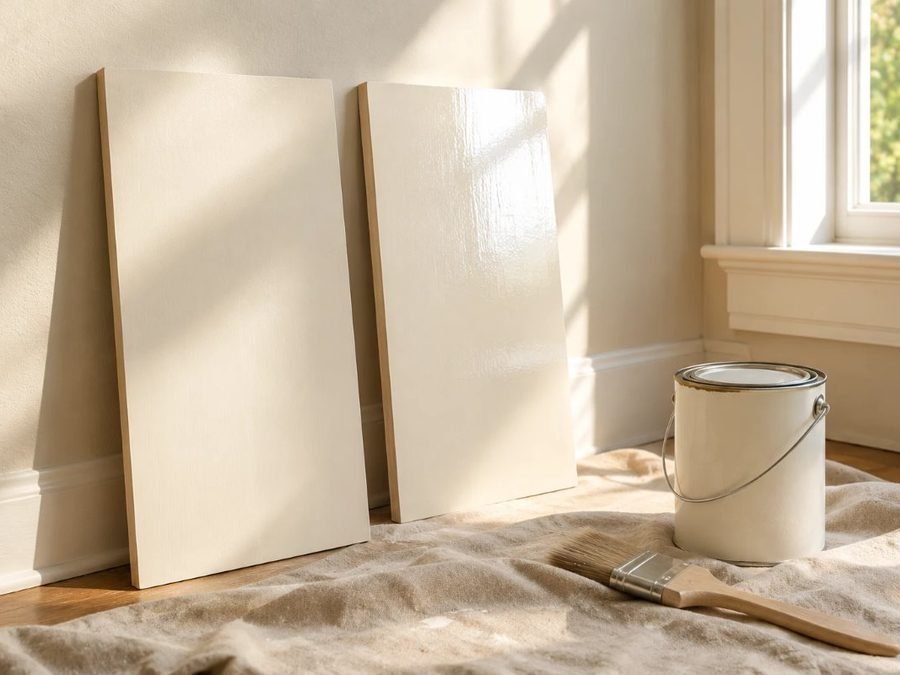
Paint a large sample board and view it at different times of day before committing to a full wall. Magenta shifts noticeably between warm lamplight and daylight, so testing first helps you avoid an expensive repaint.
Common Mistakes to Avoid
- Choosing a shade that’s too bright. A deeper, muted magenta tends to be easier to live with than a neon-adjacent pink.
- Painting more than one wall on a first attempt. Start with a single wall to keep the look intentional.
- Skipping primer. Saturated colors need proper prep to cover evenly and avoid patchiness.
- Pairing it with too many other bold colors. Let magenta be the room’s one statement color.
FAQs
Is magenta a good color for an accent wall? Yes, especially in a deeper, more muted shade, which reads as confident rather than overwhelming.
What colors pair well with magenta? Warm neutrals like cream and warm white, natural wood, and brass or gold accents all balance the color nicely.
Does magenta work in a small room? Yes, particularly as a single accent wall, which adds bold color without making the space feel smaller.
Can I use magenta in a bedroom? Yes, though a deeper, dustier shade often feels more restful for a space meant for sleep.
Can I try a magenta wall in a rental? If your lease allows painting, yes. Plan to prime and repaint back to a neutral at move-out.
Will magenta go out of style quickly? Trend colors can shift, but keeping it to one wall with neutral surroundings makes it easy to update later by simply repainting.
How Magenta Compares to Other Bold Colors
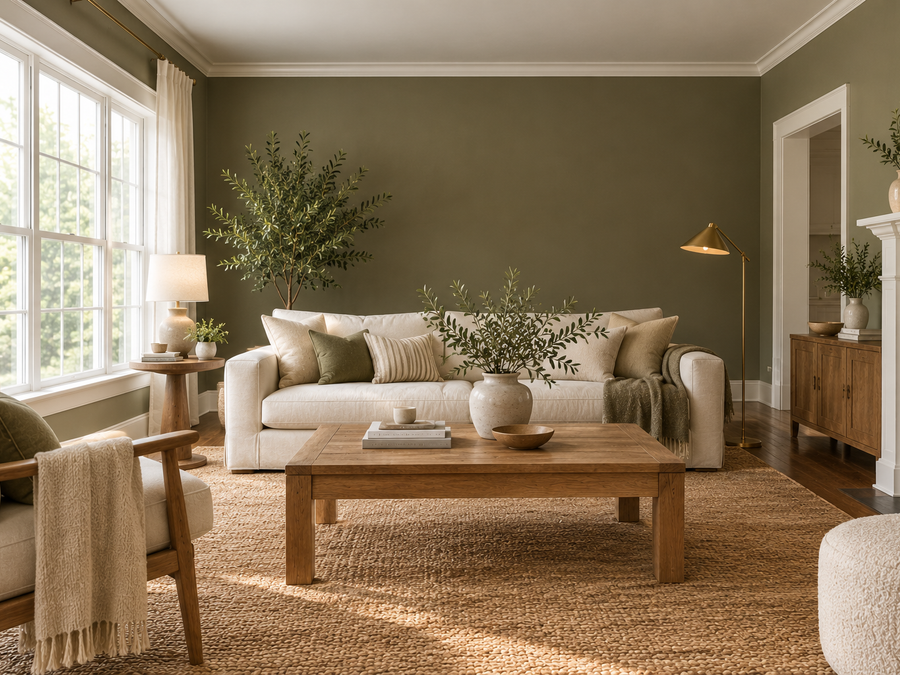
Compared with a saturated red or a cool jewel-tone blue, magenta reads as warmer and slightly softer, which is part of why it feels approachable even as a full accent wall. If you’ve considered other bold 2026 colors like Behr’s Hidden Gem, a smoky jade green, magenta offers a very different mood: energetic and warm rather than moody and grounded. Choosing between them often comes down to whether you want a room to feel lively or calm.
Lighting a Magenta Accent Wall
Warm bulbs, generally in the 2700K to 3000K range, bring out magenta’s richness, while cooler daylight bulbs can make it look flatter or slightly harsher. Natural light also changes how the color reads throughout the day, often looking softer in the morning and deeper in the evening. Layering a floor lamp and a table lamp near a magenta accent wall helps it stay warm and inviting after dark, rather than relying on a single overhead fixture.
Magenta Accent Wall Ideas Room by Room
In a living room, pair the wall with a cream sofa and one or two magenta accents, like a pillow or a piece of art, so the color feels repeated rather than isolated. In a dining nook, magenta behind a table creates a lively backdrop for gatherings without needing bold dinnerware to match. In a home office, a single magenta wall can add energy to a work space without becoming distracting, especially paired with simple, uncluttered furniture. In an entryway, magenta makes a memorable first impression and works well since the space is usually passed through rather than lived in for long stretches.
Tools Worth Having Before You Start
A quality primer (tinted if possible), painter’s tape, an angled brush for edges, a medium-nap roller and drop cloths cover most needs. A large sample board is worth the small extra cost to avoid surprises once the full wall is painted.
The Bottom Line
The best magenta accent wall ideas start with a deeper, muted shade, stick to a single wall, and lean on warm neutrals and brass accents to keep the room balanced. Done this way, a bold color trend becomes a genuinely livable, confident addition to a real room rather than something to second-guess later.
Related:
Color Drenching Ideas for 2026: Easy Techniques That Work · Accent Wall Painting Tips: 5 Easy Moves for a Clean Finish