A boho living room done well looks effortless, but it rarely is — the rooms that read as “collected over time” are usually the result of a deliberate palette and a few consistent choices, not just a pile of pattern and plants. The rooms that miss the mark usually have all the right pieces in the wrong order — the same rug, the same plant, and the same vintage chair can feel either intentional or accidental depending entirely on what surrounds them.
This guide walks through exactly how to create a boho living room step by step, from the base layer to the small habit that keeps it from tipping into clutter. If you want more visual boho living room ideas once the basics are in place, that’s covered in detail elsewhere on the site.
Why Boho Isn’t Just “More Is More”
The biggest misconception in how to create a boho living room is that it means maximum pattern and maximum stuff. In practice, the most successful boho rooms have a consistent warm base running underneath the layers — without it, pattern and texture compete instead of working together, and the room reads as messy rather than collected.
Step 1: Start With a Warm Neutral Base
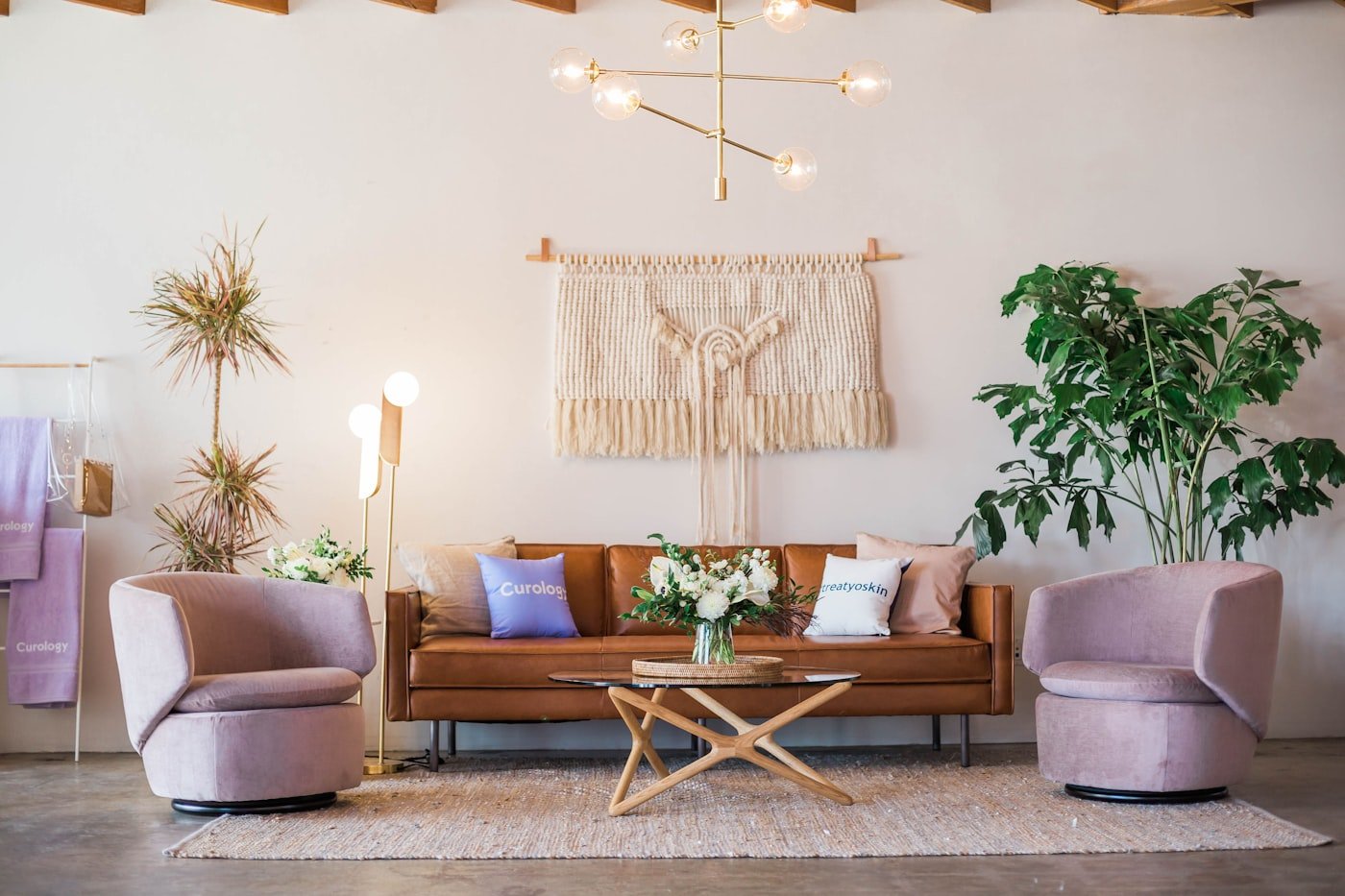
Choose a base of warm white, terracotta, or sandy beige for the walls and the largest furniture piece. This base is what lets everything layered on top — rugs, textiles, art — feel intentional rather than chaotic, and it’s the foundation every other step of how to create a boho living room builds on.
Step 2: Layer Rugs and Textiles
Two rugs of different but complementary patterns, layered rather than matched exactly, is one of the most recognizable techniques in how to create a boho living room with real depth. Add throw pillows and a textured throw in varied but coordinated tones rather than one matching set.
Step 3: Mix Natural Materials
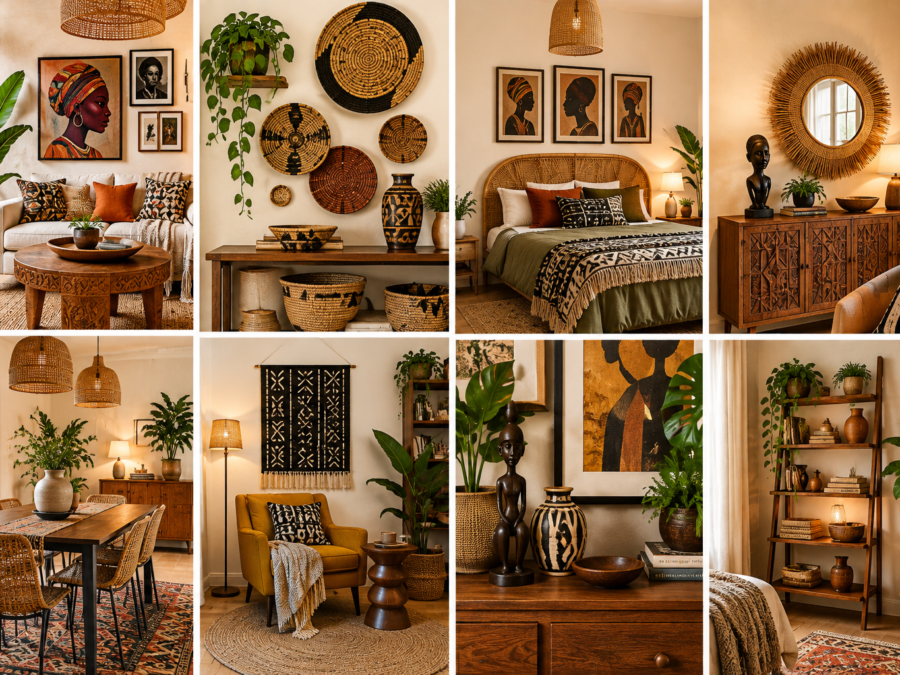
Rattan, jute, raw wood and woven baskets do more for the bohemian look than any single furniture piece — mixing two or three of these materials in one room (a rattan chair, a jute rug, a wood coffee table) is what separates genuinely boho from simply “eclectic.”
Step 4: Add Plants Generously
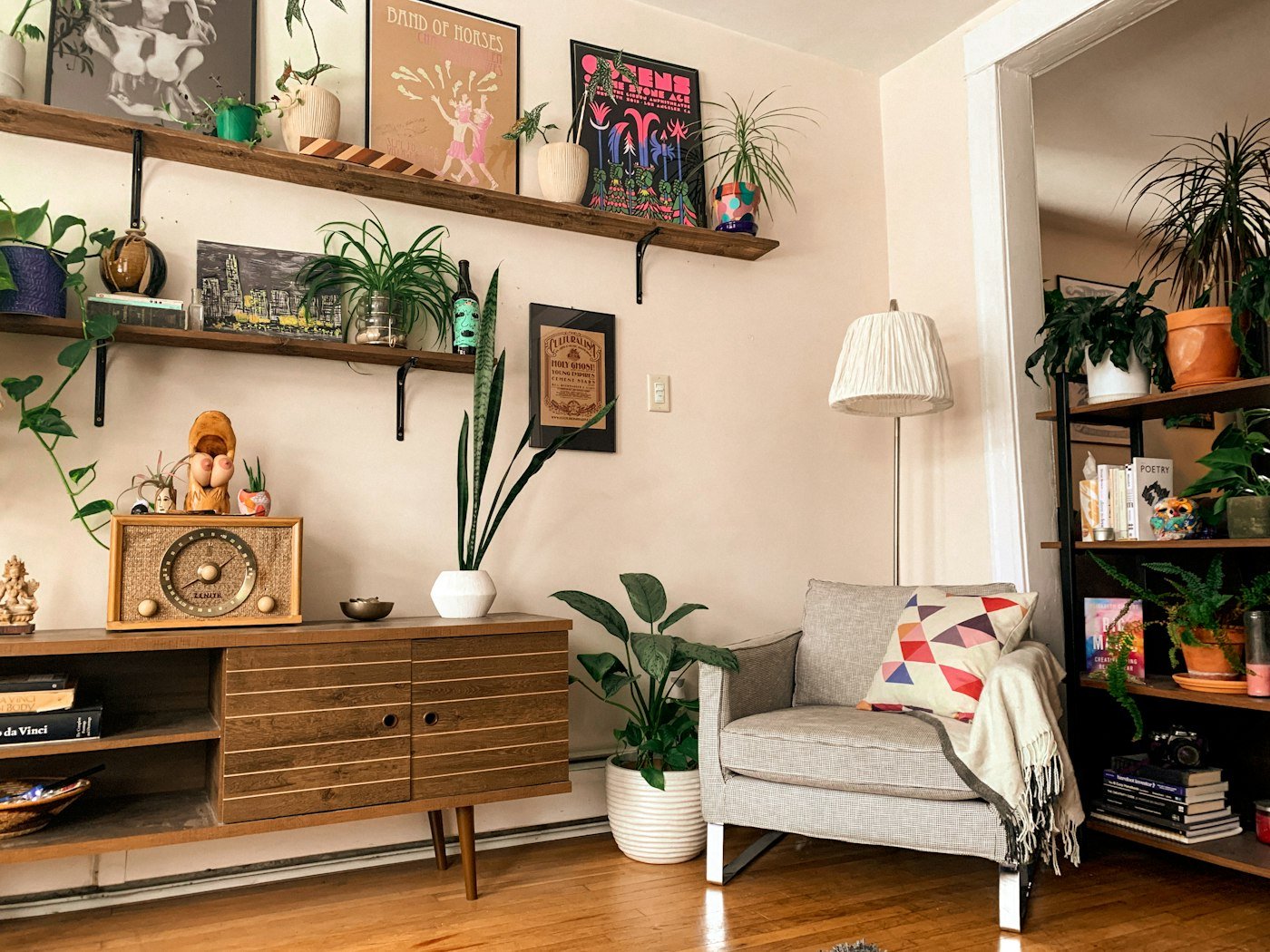
Boho living rooms lean on greenery more than almost any other style — a mix of plant sizes, from a large floor plant to smaller hanging or tabletop varieties, fills the room with life without adding hard furniture. This is one of the easiest and cheapest parts of how to create a boho living room that actually looks finished.
Step 5: Curate Collected Objects, Don’t Just Pile Them
Vintage finds, travel pieces, woven wall hangings — these are core to the look, but they need editing. Group objects in small, intentional clusters rather than scattering them evenly across every surface; this single habit is what keeps how to create a boho living room from sliding into visual clutter.
Step 6: Use Layered, Warm-Toned Lighting
Skip a single bright overhead fixture in favor of a floor lamp, a table lamp, and maybe a string of warm fairy lights. Layered light is one of the most underrated steps in how to create a boho living room that feels cozy after dark, not just styled for daytime photos.
Applying This in a Rental
Nearly every step here works without paint or permanent changes. Rugs, textiles, plants and lighting are all fully portable, and even the “warm base” can come from a large area rug or curtains rather than the walls themselves. A renter can build a genuinely boho living room and take the entire look to the next apartment.
Budget Priorities If You Can Only Do a Few Steps
If time or budget only allows for a couple of changes, prioritize the base palette (Step 1) and layered rugs or textiles (Step 2) first. These two changes move a room further toward boho than any single decor purchase could, and natural materials, plants and lighting can all be layered in gradually as they’re found — often secondhand, which fits the collected feel of the style anyway.
Where to Find Pieces Without Overspending
A large part of how to create a boho living room affordably comes down to where you shop, not how much you spend. Secondhand shops, vintage markets and even family hand-me-downs tend to fit the style better than anything bought new and matching, since the “collected over time” look is genuinely easier to achieve with pieces that actually were collected over time. Save new purchases for the base layer — a rug, paint, or a sofa — and let smaller decor accumulate more slowly.
Common Boho Living Room Mistakes to Avoid
- Skipping the neutral base entirely. Without it, pattern and texture compete instead of layering together.
- Matching patterns too closely. Boho works on complementary, not identical, patterns — exact matching reads as a themed room rather than a collected one.
- Scattering decor evenly instead of grouping it. Small intentional clusters read as curated; decor spread thin across every surface reads as clutter.
- Forgetting layered lighting. One overhead fixture undercuts the cozy, collected feeling the rest of the room is working to create.
FAQs
What colors work best in a boho living room? Warm neutrals — terracotta, sandy beige, warm white — form the base, with pattern and color layered on top through rugs, textiles and art.
How many plants does a boho living room need? There’s no fixed number, but a mix of sizes (one larger floor plant plus several smaller ones) tends to read as more intentional than many plants of the same size.
Is boho the same as maximalist style? They overlap but aren’t identical — boho leans on natural materials, warm tones and curated collected objects, while maximalist style is more about color and pattern density generally.
How do I keep a boho living room from feeling cluttered? Group decor into small intentional clusters rather than spreading it evenly, and keep the underlying base palette consistent so the layers on top read as collected, not chaotic.
Can I create a boho living room on a tight budget? Yes — secondhand and vintage pieces often fit the style better than new matching furniture, and the base palette (paint or a large rug) does more for the look than any individual decor purchase.
How long does it take to build a boho living room? Most people build it gradually over months rather than all at once, since the collected look genuinely benefits from pieces being added slowly instead of bought in a single trip.
Keeping It Looking Collected, Not Finished
Part of what makes a boho living room work long-term is resisting the urge to declare it “done.” Swap a throw pillow with the season, rotate which plant sits where, add one new vintage find every few months instead of restocking the whole room at once. This ongoing, slightly unfinished quality is genuinely part of how to create a boho living room that keeps feeling collected rather than staged, years after the first setup.
The Bottom Line
Learning how to create a boho living room comes down to a warm consistent base, layered texture rather than matched pattern, and curated groupings instead of scattered decor. Get those three right, and the more-is-more parts of the style — the plants, the textiles, the collected objects — fall into place around them.
Related:
16 Boho Living Room Ideas (Without the Clutter) · 22 Living Room Ideas That Make a Small Space Feel Bigger