An accent wall is one of the cheapest ways to change a room, and also one of the easiest to get wrong. The difference between a wall that looks intentional and one that looks like a mistake usually comes down to five decisions, most of which happen before the paint can is even opened.
These accent wall painting tips cover exactly that — from picking the right wall to knowing when to stop.
Why Accent Walls Often Go Wrong
The most common reason an accent wall doesn’t work is skipping straight to color without thinking about which wall, or rushing the prep to get to the fun part faster. The most useful accent wall painting tips are mostly about the decisions made before the roller ever touches the surface.
1. Choose the Right Wall, Not Just Any Wall
The best accent wall is usually the one with a natural focal point already — behind a bed, behind a sofa, or a wall with architectural interest like a fireplace. Avoid a wall broken up by multiple doors or windows; it rarely reads as a clean accent no matter how good the color choice is. Of all the accent wall painting tips here, this decision matters most.
2. Pick a Color That Complements, Not Clashes
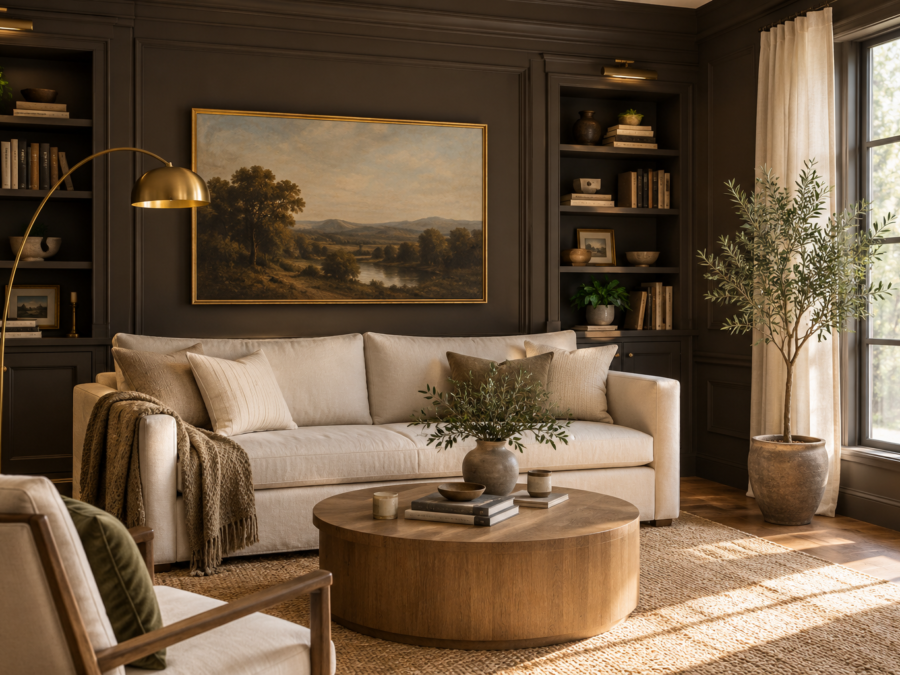
Choose a color that relates to the room’s existing palette rather than one that fights it — a deeper or richer version of a tone already in the room usually works better than an unrelated color introduced just for the wall. Basic color theory around complementary and analogous colors is worth a quick look before committing to a shade, since it’s the single choice with the biggest visual impact.
3. Prep the Wall and Tape Properly
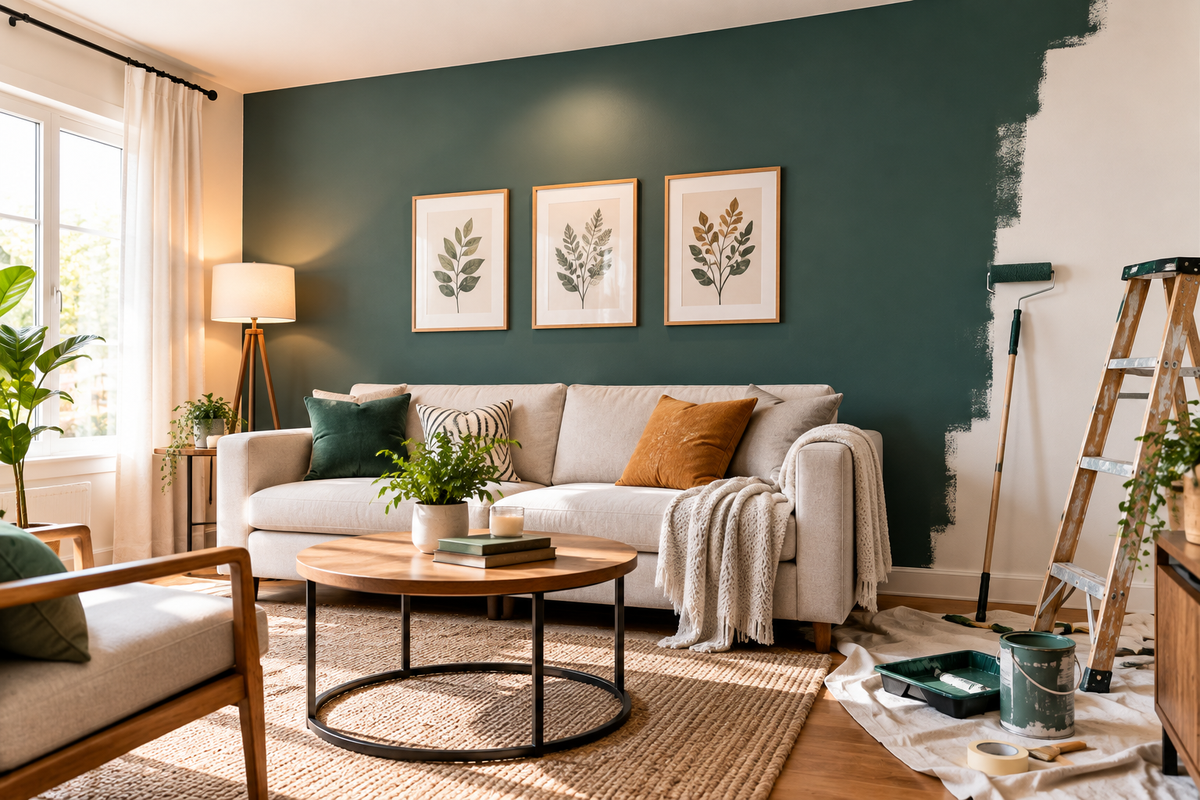
Clean the wall, patch any holes, and apply painter’s tape along every edge, pressing it down firmly to prevent bleed. Skipping proper prep is the fastest way to end up with a ragged line that undermines an otherwise good color choice — of all the accent wall painting tips that get skipped, this one shows up the most in the final result.
4. Use the Right Technique for Clean Lines
Cut in the edges with a brush first, then fill in with a roller, working in the same direction across the whole wall for even coverage. Two thin coats almost always look better than one thick one. This is where a lot of the “professional versus DIY” difference actually comes from.
5. Know When to Stop
One wall is an accent; two or three walls in the same bold color is a full room repaint that happened by accident. Resist the urge to keep going once the first wall is done — the contrast between the accent and the surrounding neutral walls is what makes the whole effect work, and it’s the final judgment call that keeps the room looking intentional rather than overdone.
Doing This as a Renter
If a lease doesn’t allow paint, removable wallpaper or a large fabric panel can achieve a similar accent-wall effect without violating the terms. Where paint is allowed, most leases only require repainting back to the original color at move-out, which is a manageable trade for the visual impact an accent wall adds in the meantime.
Choosing Between Bold and Subtle
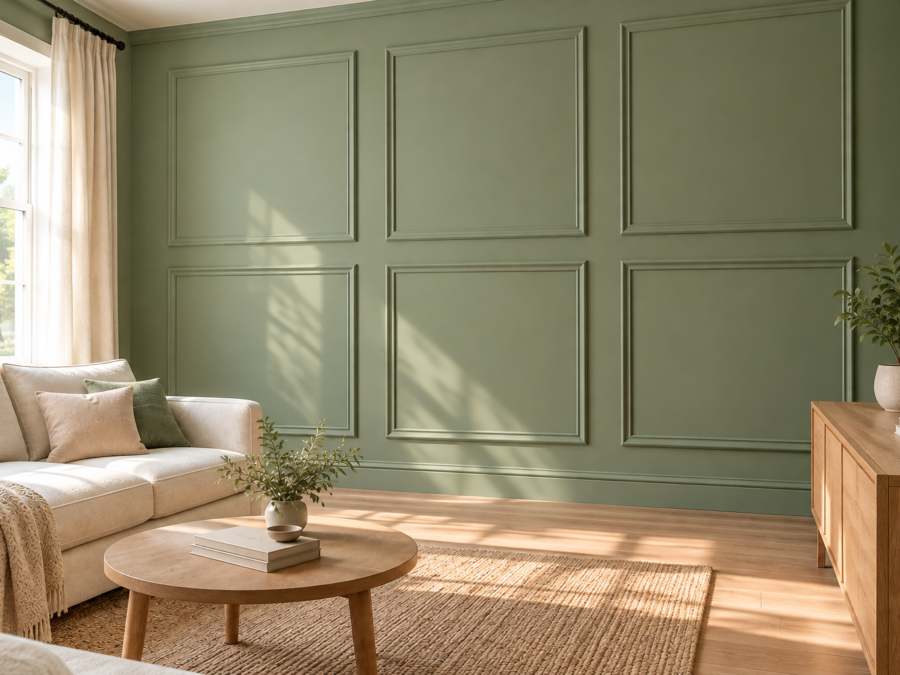
Not every accent wall needs to be a dramatic dark color. A slightly deeper shade of the room’s existing wall color, a soft muted tone, or even a textured paint finish in a close neutral can all work as accent wall painting tips for someone who wants the effect without a strong color commitment. The core principles — right wall, complementary tone, careful prep — apply the same way whether the final result is bold or barely-there.
Tools Worth Having on Hand
A quality angled brush for cutting in, a roller with the right nap for the wall texture, and painter’s tape rated for clean removal make the biggest difference in how professional the final result looks. Of all the accent wall painting tips that get overlooked, tool quality is one of the most underrated — cheap tape in particular is a common source of bleed-through and ragged edges.
Common Accent Wall Mistakes to Avoid
- Choosing the wrong wall. A wall broken up by doors and windows rarely reads as a clean accent.
- Skipping tape or rushing prep. This is the single biggest cause of a ragged, unfinished-looking edge.
- Picking an unrelated color. A shade with no connection to the room’s existing palette tends to clash rather than complement.
- Painting more than one wall. Multiple accent walls in the same room usually reads as an unplanned repaint rather than a deliberate choice.
Budget and Timing
A single accent wall typically costs $30-60 in paint and supplies and takes an afternoon from prep to second coat, plus drying time between coats. Of all the accent wall painting tips worth remembering, budget and time expectations are two of the most reassuring — this is a genuinely small project with an outsized visual result.
FAQs
Which wall should I paint as an accent wall? The wall with the room’s natural focal point — behind the bed, behind the sofa, or one with architectural interest — and ideally one without multiple doors or windows breaking it up.
What color should I choose for an accent wall? A deeper or richer version of a tone already present in the room usually works better than an unrelated color chosen in isolation.
How long does it take to paint an accent wall? A single wall typically takes an afternoon, including prep, taping and two coats, plus drying time between coats.
Can I paint an accent wall in a rental? Check the lease first — many allow paint if you agree to repaint back to the original color before moving out, and removable wallpaper is always a safe alternative.
What are the most important accent wall painting tips for beginners? Choosing the right wall and taping properly before painting matter more than technique or brand of paint — most first-time mistakes trace back to skipping one of these two steps.
Does an accent wall need to be a bold color? No — a subtle, slightly deeper tone or a textured neutral finish can create the same effect with less commitment than a dramatic dark color.
What tools do I need for a clean accent wall? A good angled brush for cutting in edges, a properly sized roller, and painter’s tape rated for clean removal are the three tools that matter most.
When to Hire It Out Instead
A single accent wall is a genuinely approachable DIY project for most people, but a very tall wall, textured or damaged plaster, or a color requiring several coats to cover a dark existing shade are all reasonable moments to consider a professional instead. None of the accent wall painting tips here change if you hire the work out — the same decisions about wall choice and color still apply, and knowing them makes it easier to brief a painter clearly.
The Bottom Line
The best accent wall painting tips really come down to five decisions: the right wall, a color that complements the room, proper prep, clean technique, and the discipline to stop at one wall. Get those right, and a single afternoon of painting changes the whole room far more than its cost would suggest.
Related:
How to Paint a Room Like a Pro: Step-by-Step Weekend Guide · 18 Kitchen Cabinet Colour Ideas Designers Use in 2026