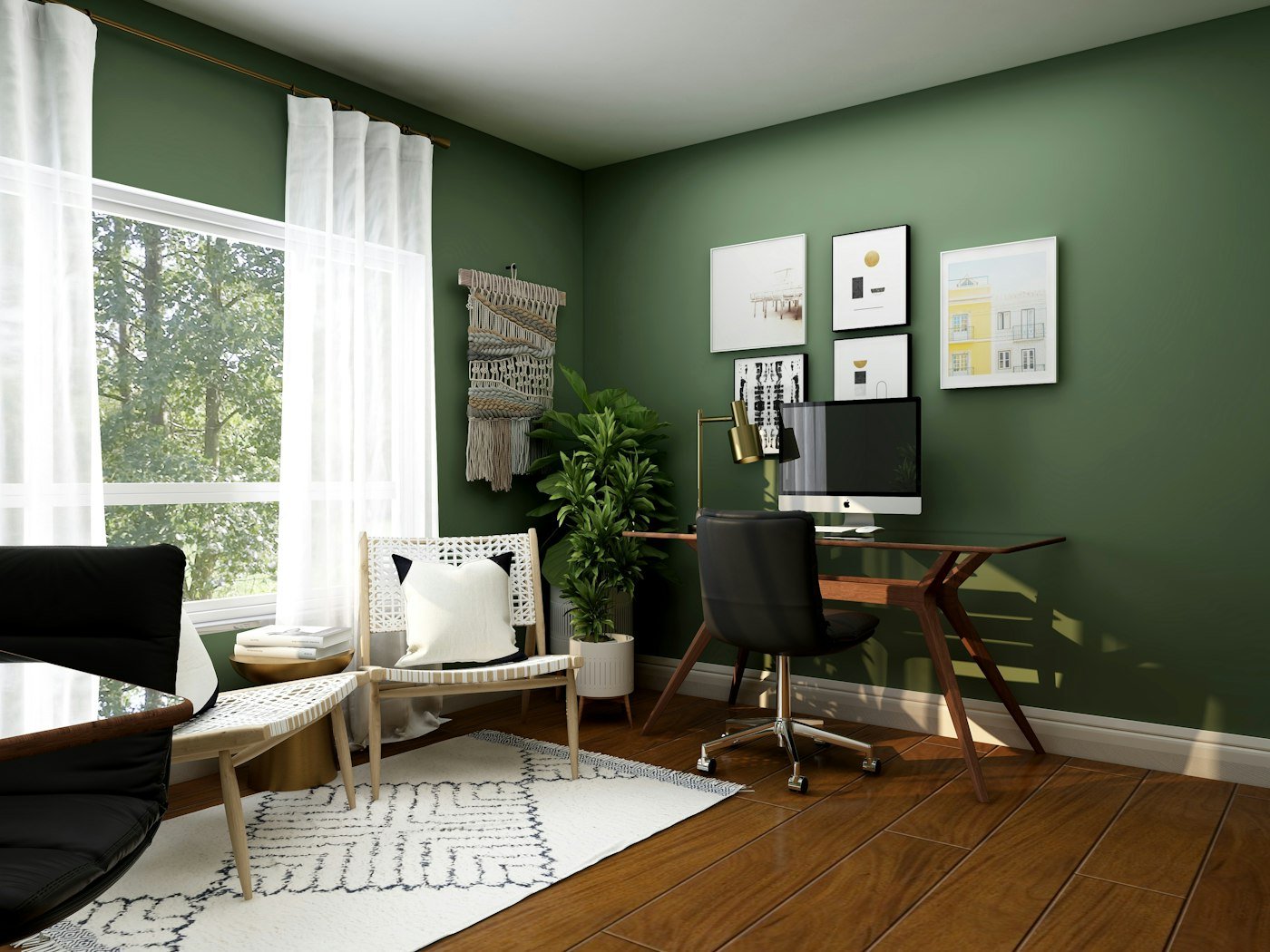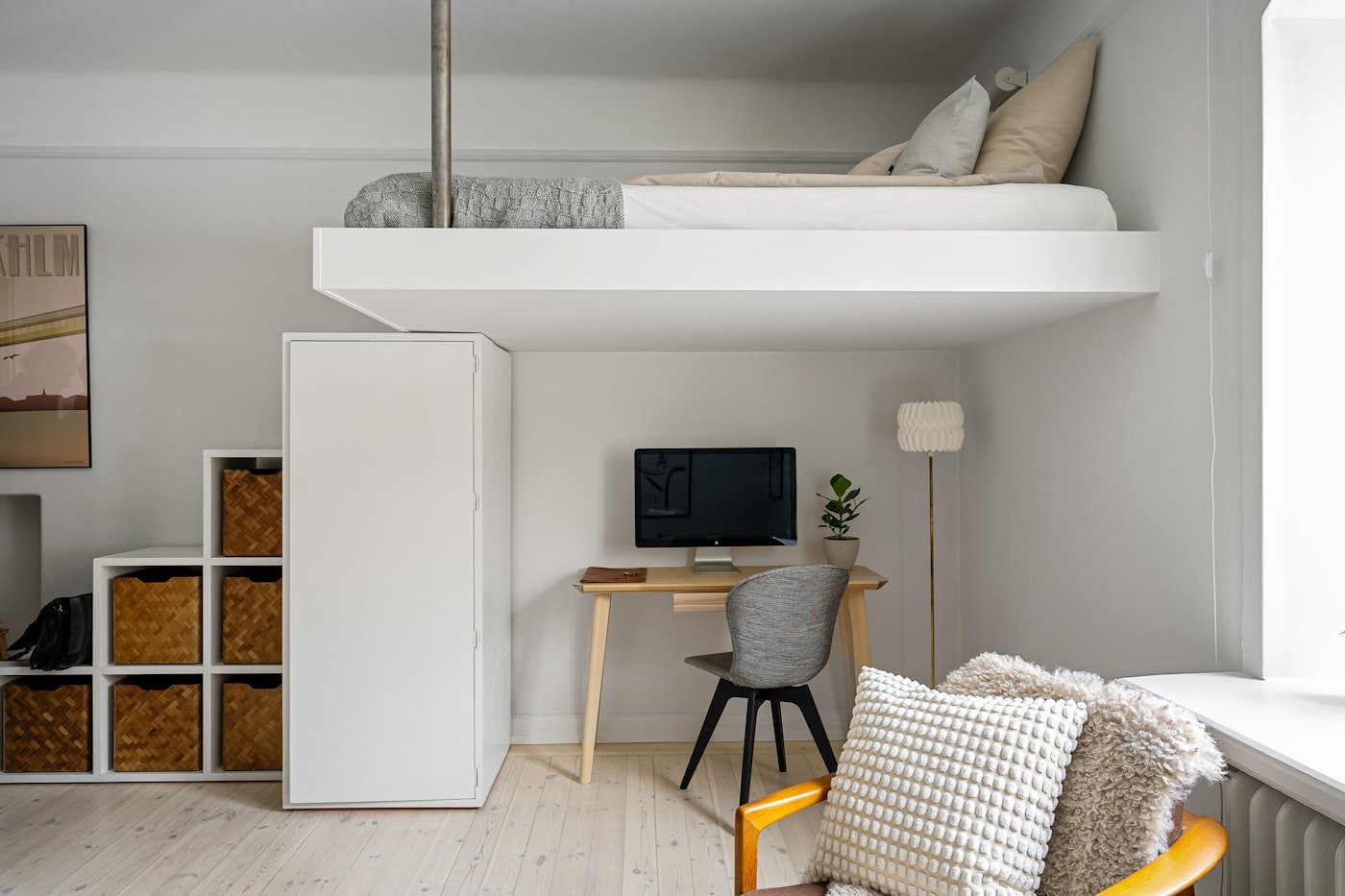
A home office doesn’t need a spare room — it needs one corner set up in the right order. Most home offices that never quite work aren’t failing because the apartment is too small; they’re failing because the desk went in first and everything else got squeezed around it afterward.
This guide walks through exactly how to set up a home office step by step, from choosing the spot to the small details that make an eight-hour workday actually bearable in a space that’s also your living room.
Why Small-Space Home Offices Usually Fail
The most common mistake in how to set up a home office in a small apartment is starting with furniture instead of location. A desk placed wherever there happened to be an empty wall often ends up fighting for light, outlets, or quiet — all things that are much easier to plan for before a single piece of furniture moves in.
Step 1: Pick the Spot Before the Desk
Walk the apartment and look for a spot with natural light, proximity to an outlet, and some distance from the loudest part of the home (a TV, a kitchen, a shared hallway). This decision matters more than any piece of furniture in how to set up a home office that’s genuinely usable for a full workday, not just for an hour here and there.
Step 2: Choose a Desk Sized to the Space, Not the Room
Measure the actual corner or wall before buying a desk — a narrow console table or a wall-mounted fold-down desk often fits where a “real” office desk never would. This is one of the most practical parts of how to set up a home office in a studio or one-bedroom apartment, where every desk inch competes with living space.
Step 3: Prioritize Task Lighting Over Room Lighting
A desk lamp aimed directly at the work surface does more for a productive setup than the room’s overhead light ever will. Eye strain from poor lighting is one of the most common complaints from anyone who’s tried to figure out how to set up a home office without addressing this step first.
Step 4: Get a Real Chair, Not a Dining Chair
A dining chair looks fine for an afternoon but isn’t built for a full workday. Basic ergonomics — proper back support, the right seat height relative to the desk — matters more here than almost anywhere else in the apartment, and it’s worth prioritizing even on a tight budget.
Step 5: Manage Cables and Cords
A single power strip and a few cable clips keep a small desk from looking like a tangle, which matters more in a one-room setup everyone can see than it would in a closed-door office. This is a small step, but it’s one of the details that separates a home office that looks intentional from one that looks makeshift.
Step 6: Add Vertical Storage for Supplies
Floating shelves or a wall-mounted organizer keep papers, chargers and supplies off the desk surface without needing floor-standing furniture. Going vertical is one of the most space-efficient parts of how to set up a home office in a room that can’t spare floor space for a filing cabinet.
Step 7: Create a Visual Boundary
A curtain on a tension rod, a bookshelf used as a divider, or even just a distinct rug under the desk area signals where “work” starts and stops, even in a studio with no door to close. This is often the step people skip, but it’s a meaningful part of how to set up a home office that you can mentally leave at the end of the day.
Setting This Up as a Renter
None of the steps in how to set up a home office require drilling or permanent changes. The desk can be freestanding or wall-mounted with removable brackets, cable management uses clips rather than built-in routing, and the visual boundary comes from a curtain or furniture placement rather than a wall. A renter can apply every step here and take the entire setup to the next apartment.
Budget Priorities If You Can Only Do a Few Steps
If money or time only allows for two or three changes, prioritize in this order: the chair, task lighting, and a properly sized desk. These three do the most to make a workday comfortable, and cable management, vertical storage and the visual boundary can all be layered in gradually as budget allows. This is a useful way to think about how to set up a home office when the full plan can’t happen in a single weekend.
What to Do When the Office Shares a Room
Many small-apartment offices share space with a bedroom, living room, or even a closet. In that setup, the visual boundary from Step 7 matters even more, since there’s no separate room to signal “off the clock.” A folding screen, a curtain that closes at the end of the workday, or simply turning the desk chair away from the desk can all serve as a signal that the workday’s over — a detail worth building into how to set up a home office in any shared or multi-purpose room.
Common Home Office Mistakes to Avoid
- Choosing style over ergonomics for the chair. A chair that looks good but hurts after two hours defeats the purpose of a dedicated setup.
- Skipping task lighting. Overhead light alone causes more eye strain than people expect over a full workday.
- Buying a desk before measuring the spot. A desk that’s a few inches too deep can block a walkway or a door in a small apartment.
- Leaving cables fully visible. It’s a small detail, but it’s the fastest way to make an otherwise well-planned office corner look unfinished.
FAQs
How do I set up a home office in a studio apartment? Pick a defined corner first, prioritize a properly sized desk and task lighting, then add a visual boundary like a curtain or rug so the space reads as “office” during work hours.
What is the most important piece of a home office setup? Lighting and seating matter more than any other single choice — they’re what determine whether the setup is comfortable for a full workday, not just a quick task.
Can I set up a home office without a spare room? Yes — a closet, a console table against a wall, or a fold-down desk can all work as a genuine home office corner, following the same steps as a dedicated room would.
How much space do I need for a home office? A depth of about 24 inches and a width of 30-36 inches is enough for a functional desk setup — much less space than most people assume before measuring.
Do I need to spend a lot to set up a home office properly? No — the chair and task lighting matter more than any expensive furniture, and both are available at reasonable prices. Most of the cost in a good setup goes toward comfort, not appearance.
How do I stop my home office from feeling like it’s always “on”? The visual boundary in Step 7 — a curtain, a screen, or even turning the chair away from the desk — is usually enough to create a mental line between work hours and the rest of the day, even without a separate room.
The Bottom Line
Learning how to set up a home office comes down to sequence: the spot first, then a properly sized desk, then the lighting, seating and small details that make an eight-hour workday comfortable. Get that order right, and even a single corner of a studio apartment can function as a real office.
Related: 14 Home Office Ideas for Small Apartments · Home Office ideas