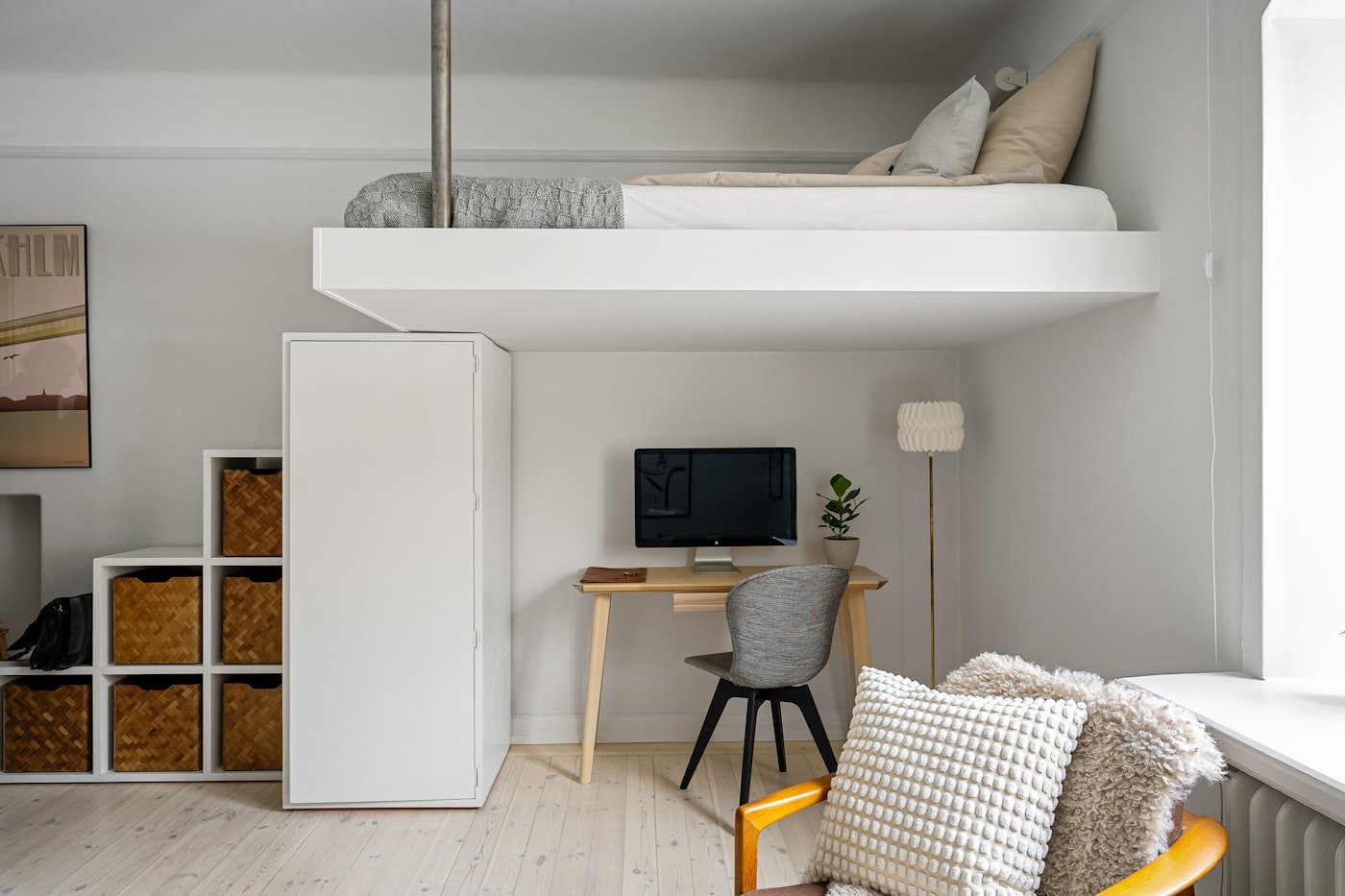
Nobody in a one-bedroom apartment has a spare room for an office. What you have is a corner, a closet, a hallway or the end of a bedroom. These ideas turn each of those into a workspace that looks intentional, works for eight hours a day and can be closed down when the day ends.
1. A desk in the window
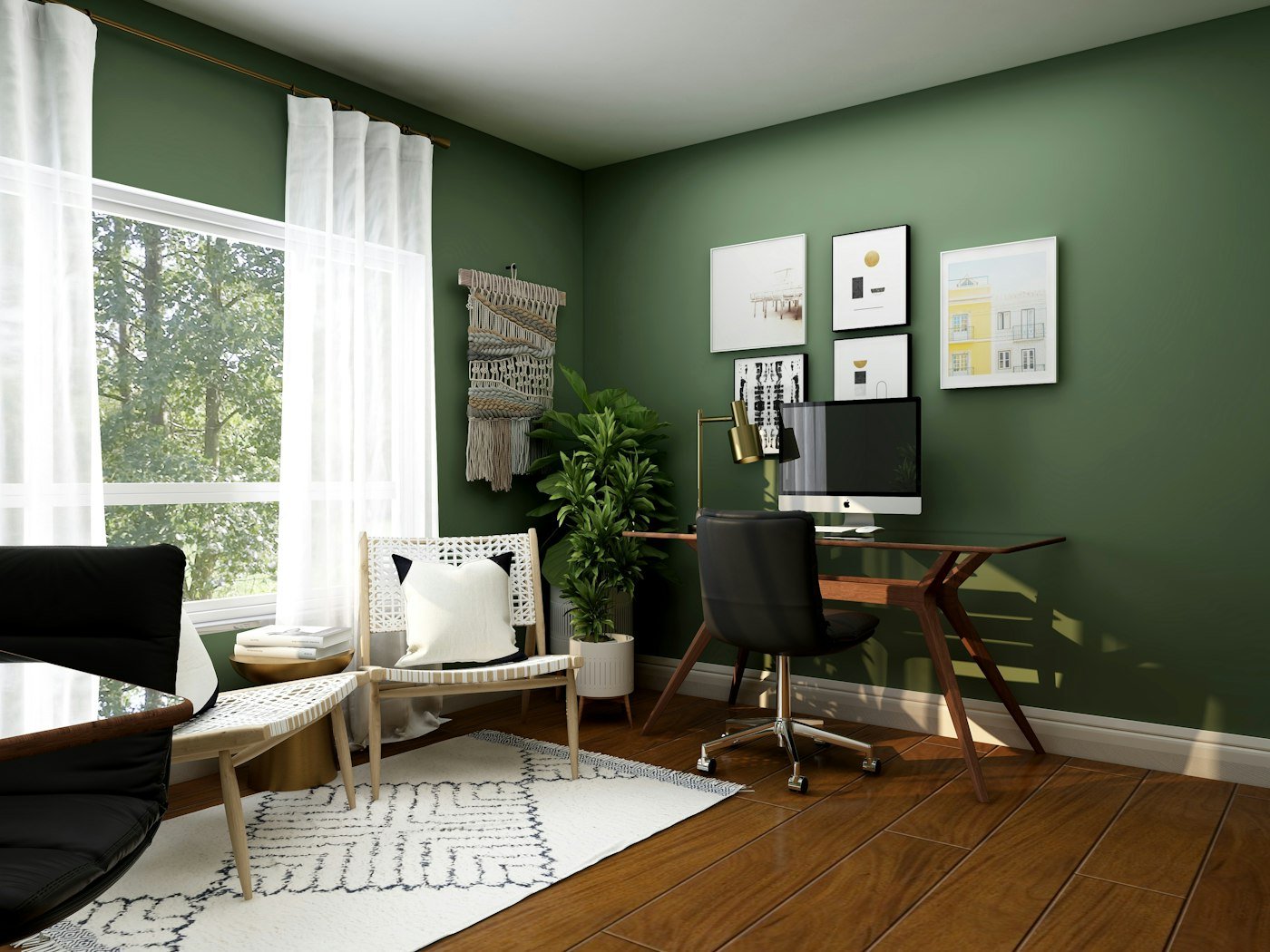
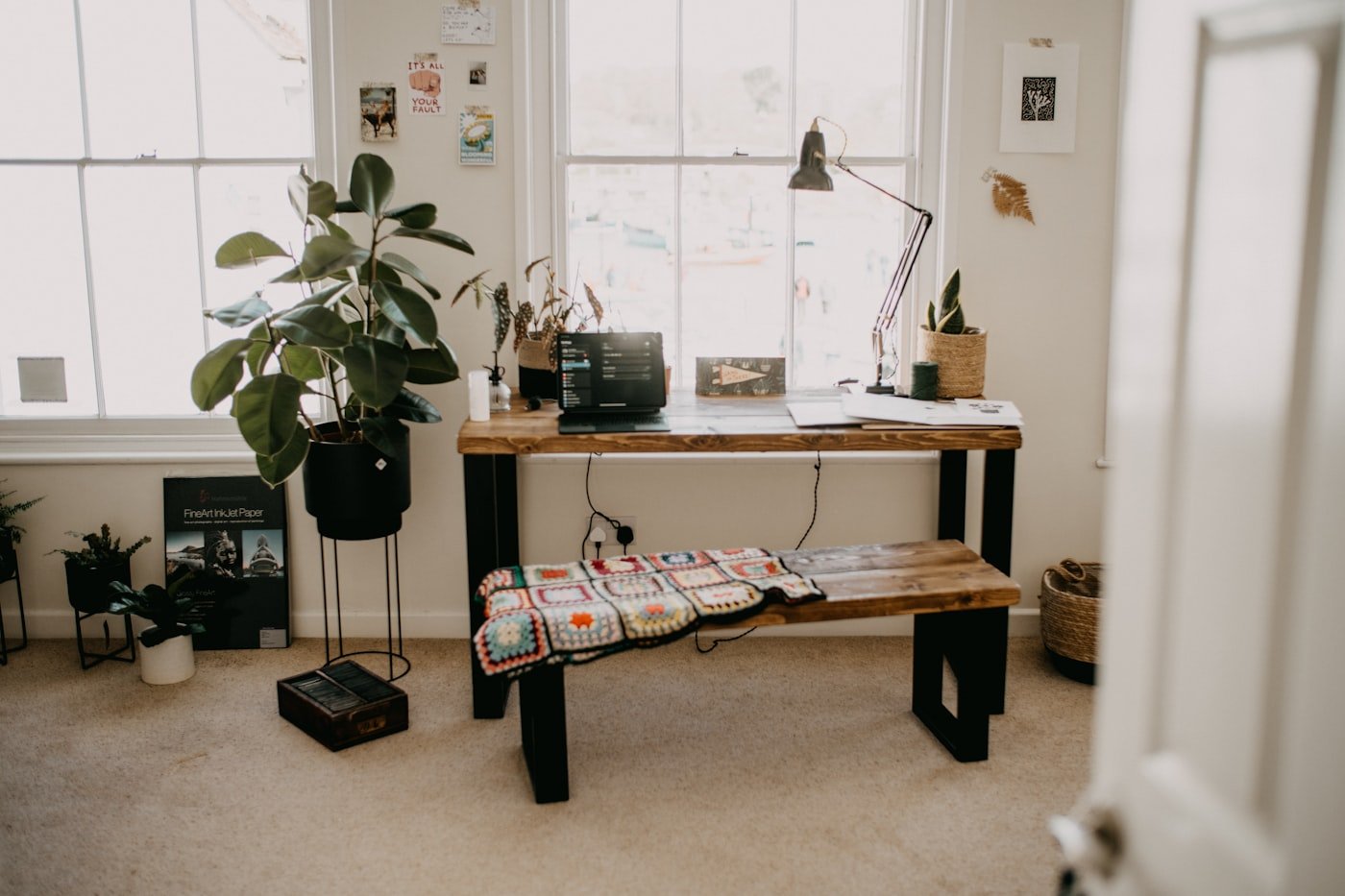
The wall under a window is often unused because nothing tall fits there. A desk does. You get natural light for calls and a reason to look away from the screen. Put the screen slightly to the side so the window is not directly behind it on video.
2. The closet office
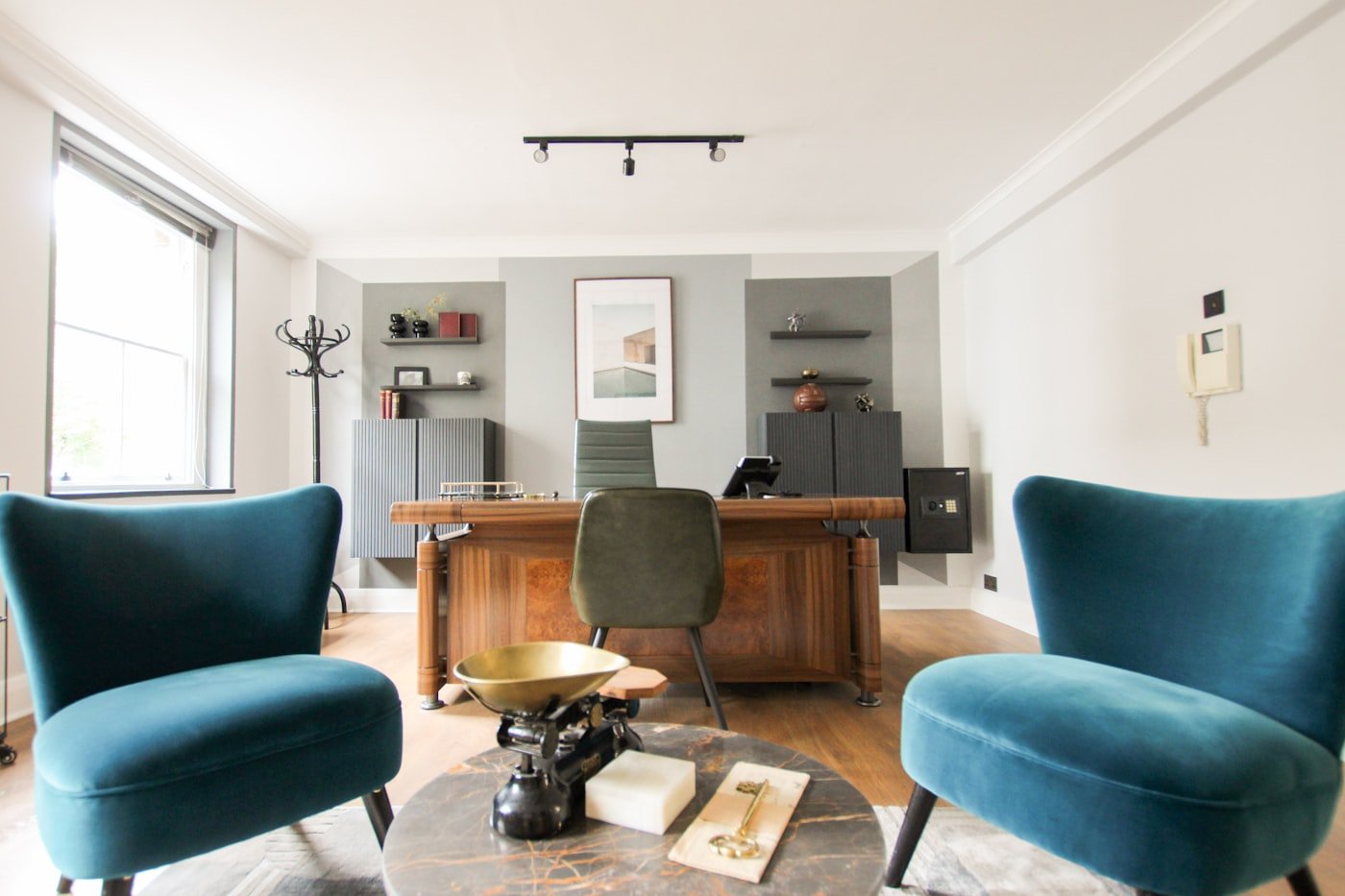
A standard reach-in closet is 60 centimetres deep, which is exactly a desk. Remove the doors or keep them and close the office at 6 pm. Paint the inside a darker colour than the room so it reads as a deliberate nook.
3. A wall-mounted fold-down desk
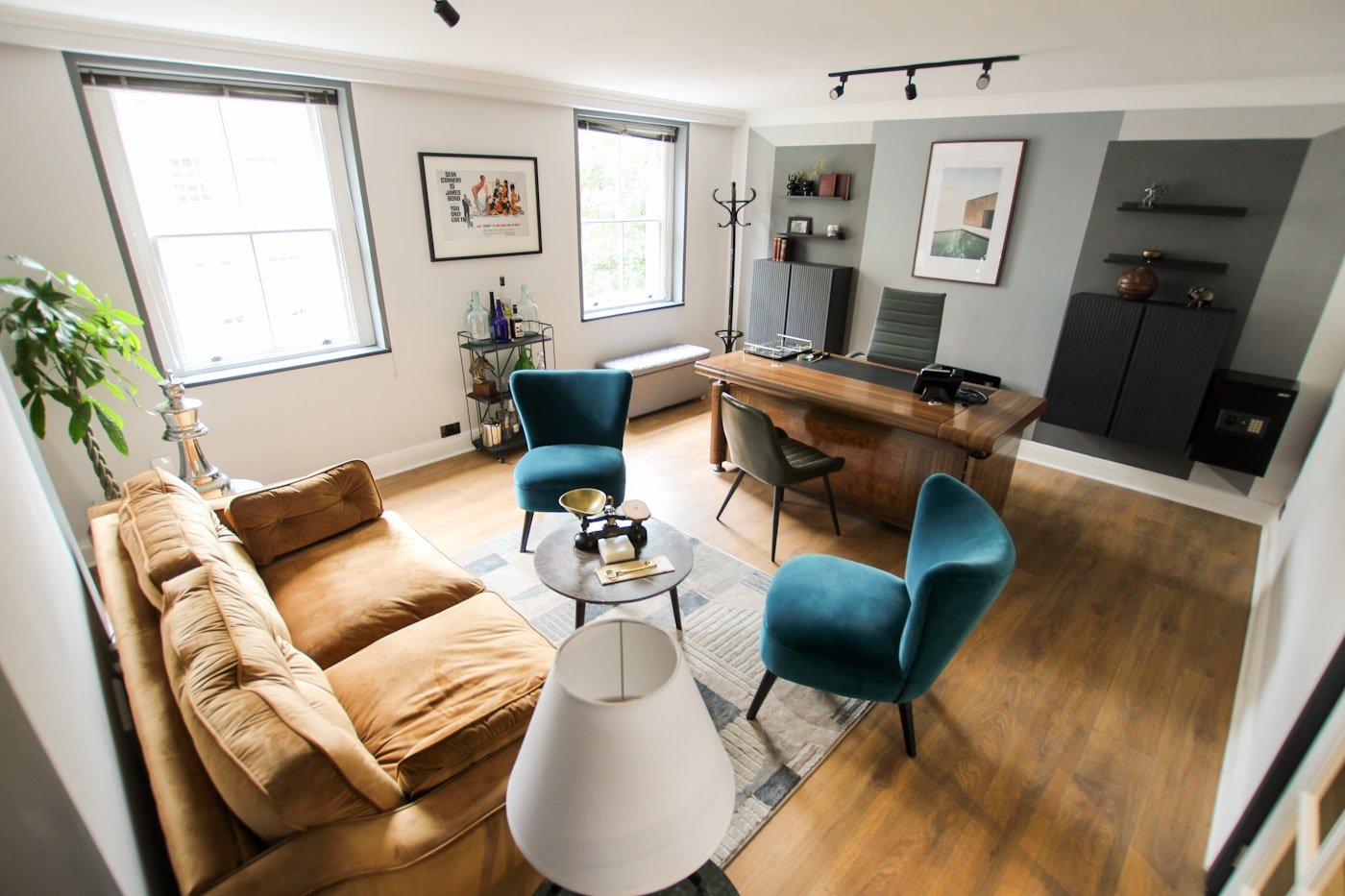
For hallways and bedrooms with no floor to give up, a fold-down desk mounted at 73 centimetres holds a laptop and a notebook. A stool that tucks fully underneath completes it. Look for one rated for at least 30 kilograms.
4. A long, shallow desk along one wall
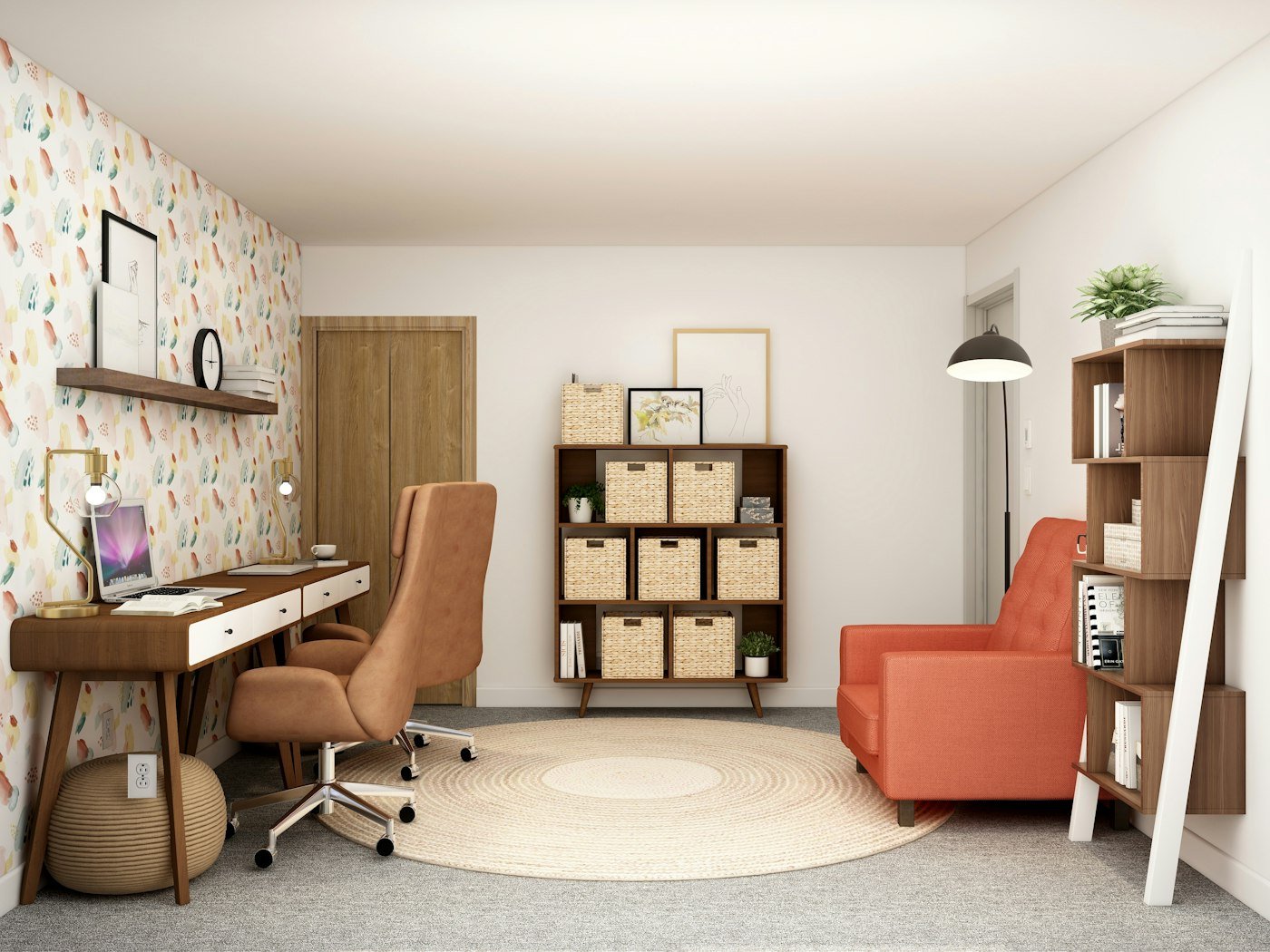
Standard desks are 60 to 75 centimetres deep. Most people need 40. A long shallow desk (or a kitchen worktop on brackets) along a wall gives you a place for the monitor, the laptop and a printer without eating the room.
5. Shelves above the desk, to the ceiling
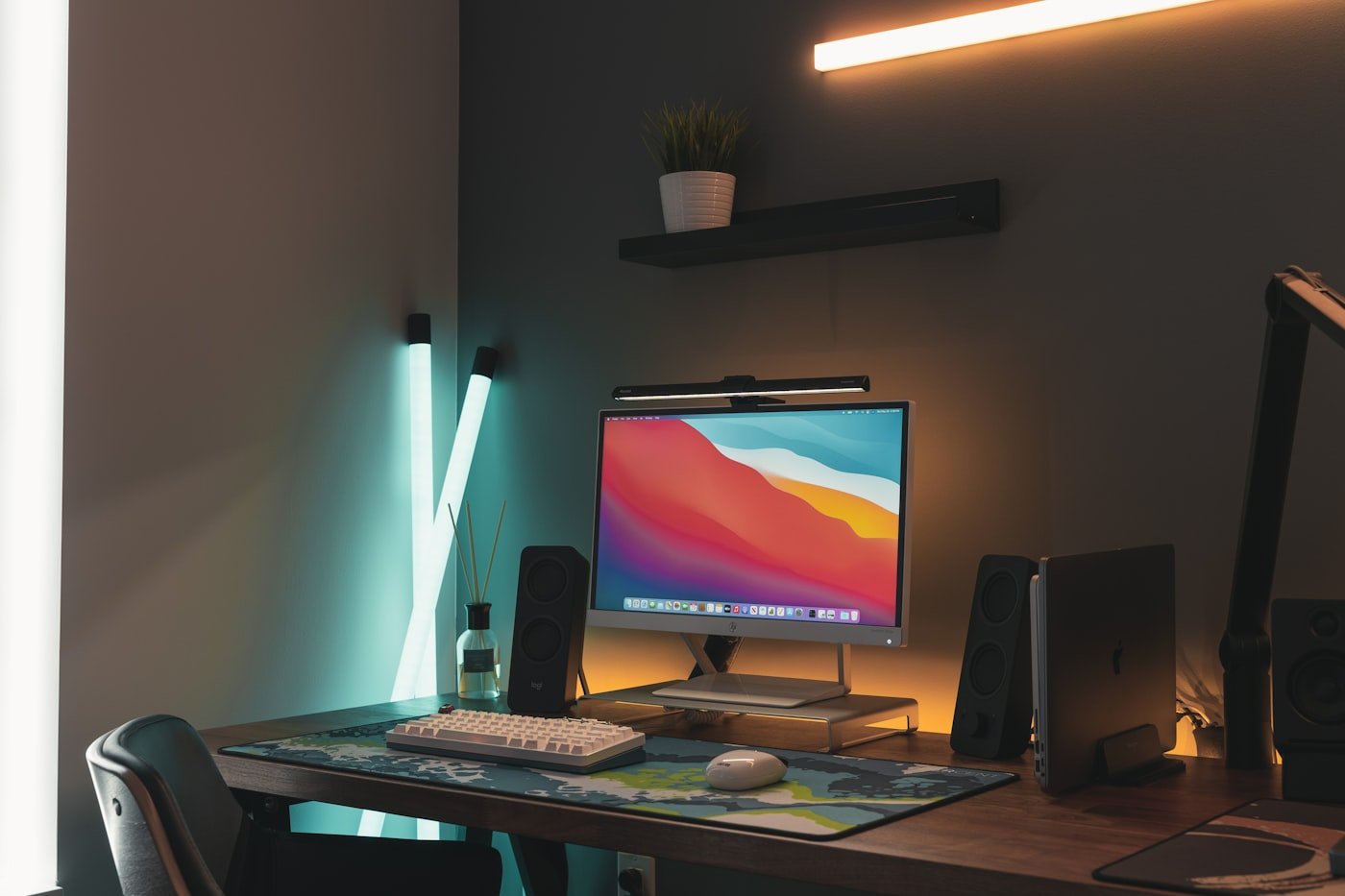
Three floating shelves at 40-centimetre intervals above the desk hold books, files and the printer. Keep the lowest shelf at least 50 centimetres above the desk so it does not feel like a cupboard.
6. One good task lamp
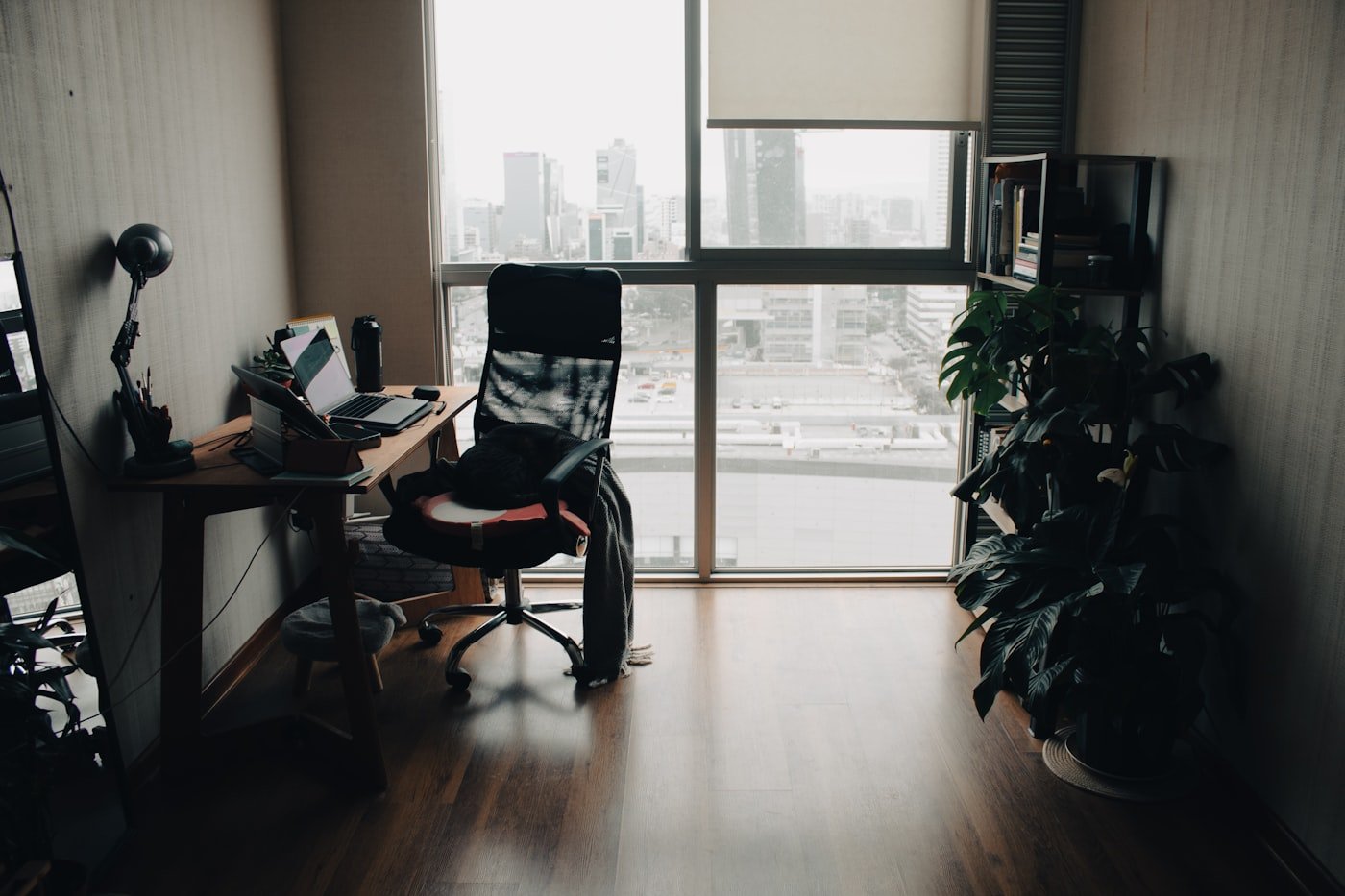
Overhead light casts your own shadow onto the desk. A task lamp with an arm and a 3000K bulb removes eye strain and makes the corner look like a place someone works.
7. A desk at the foot of the bed
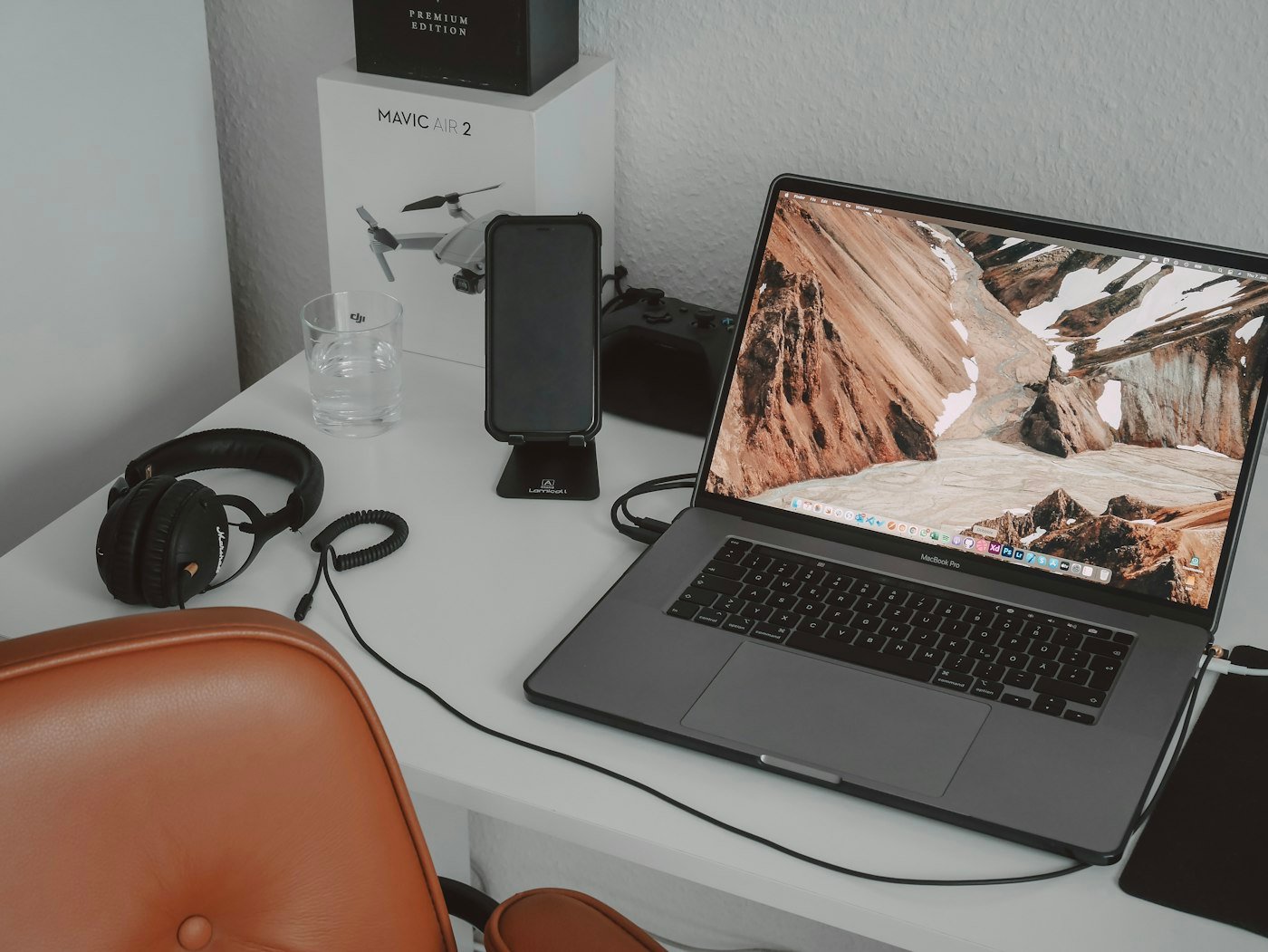
In a bedroom with no other wall, a narrow desk at the foot of the bed facing the wall works if the chair tucks all the way in. Choose a desk the same width as the bed so it reads as a unit.
8. A room divider that is also storage
In a studio, a 180-centimetre-tall open shelf perpendicular to the wall creates an office zone. Put the files and printer on the desk side and books and plants on the living side.
Six more ideas that cost under $50
- A monitor arm to free the desk surface.
- A cable tray under the desk so nothing dangles.
- A pegboard above the desk for the small stuff.
- A rug under the desk to define the zone.
- A rolling drawer unit that slides under the desk.
- A folding screen to hide the office after hours.
Sizes that matter
| Measurement | Number |
|---|---|
| Desk height | 72 to 75 cm |
| Minimum desk depth for a laptop | 40 cm |
| Minimum desk depth for a monitor | 55 cm |
| Chair clearance behind the desk | 75 cm |
| Lowest shelf above the desk | 50 cm above surface |
Frequently asked questions about small home offices
Where should a desk go in a small bedroom?
Under the window, at the foot of the bed facing the wall, or inside a closet. Avoid placing it so the bed is directly behind you on video calls.
How deep does a desk need to be?
40 centimetres for a laptop, 55 for a monitor. Most standard desks are deeper than you need.
Can a closet really be an office?
Yes. A 60-centimetre-deep closet is the same depth as a desk. Add a desk surface, a shelf, a lamp and a power outlet and it works for full-time use.
What is the best lighting for a corner desk?
Daylight from the side plus an adjustable task lamp with a 3000K bulb. Avoid relying on the ceiling light.